


Elevating and supporting young people by giving them a space to dialogue with and seek counsel from experienced leaders on issues of deep concern, whilst affording the opportunity to leaders to better understand the preoccupations of young people.
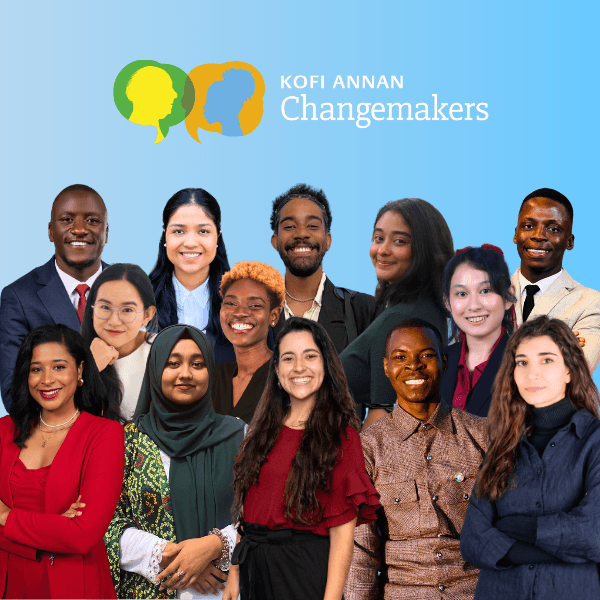
Each year, a select group of up to 14 young leaders are invited to join the Kofi Annan Changemakers initiative: An Intergenerational Dialogue for Impact.
Over a 12-month programme, the chosen young leaders, who have already demonstrated commitment and impact in their respective fields, participate in training, obtain mentorship, and interact with leaders from the high-level network of Kofi Annan and the Kofi Annan Foundation to explore ways to build their capacity for positive action.
To learn more about the Kofi Annan Changemakers Initiative, watch this video. ⬎
About the Kofi Annan Changemakers
Aligned with Kofi Annan’s strong belief in the importance of youth leadership, the Kofi Annan Foundation has designed this initiative with a three-part approach:
1. Dialogue and mutual learning between this new generation of changemakers and experienced experts and leaders who worked closely with Kofi Annan and/or his Foundation on topics such as ethical leadership, building resilience and bridging divides.
2. Insight into the “Kofi Annan Way” through a series of encounters and workshops to teach and bring to life the values and approaches underpinning the work of Kofi Annan and his colleagues.
3. Mentorship and support. Each Changemaker will be paired with a mentor/expert and receive a seed grant. Their mentor will provide advice, inspiration and support during and after the programme. Throughout the mentorship, the Changemaker and Mentor will work together to apply their learnings and make the best use of the seed grant to scale up a project that will boost their work.
The Changemakers Network
Since our launch in 2021, we’ve grown into a vibrant network of Kofi Annan Changemakers from over 42 countries across five continents, with 12-14 new young leaders joining us annually.
Kofi Annan Changemakers 2026
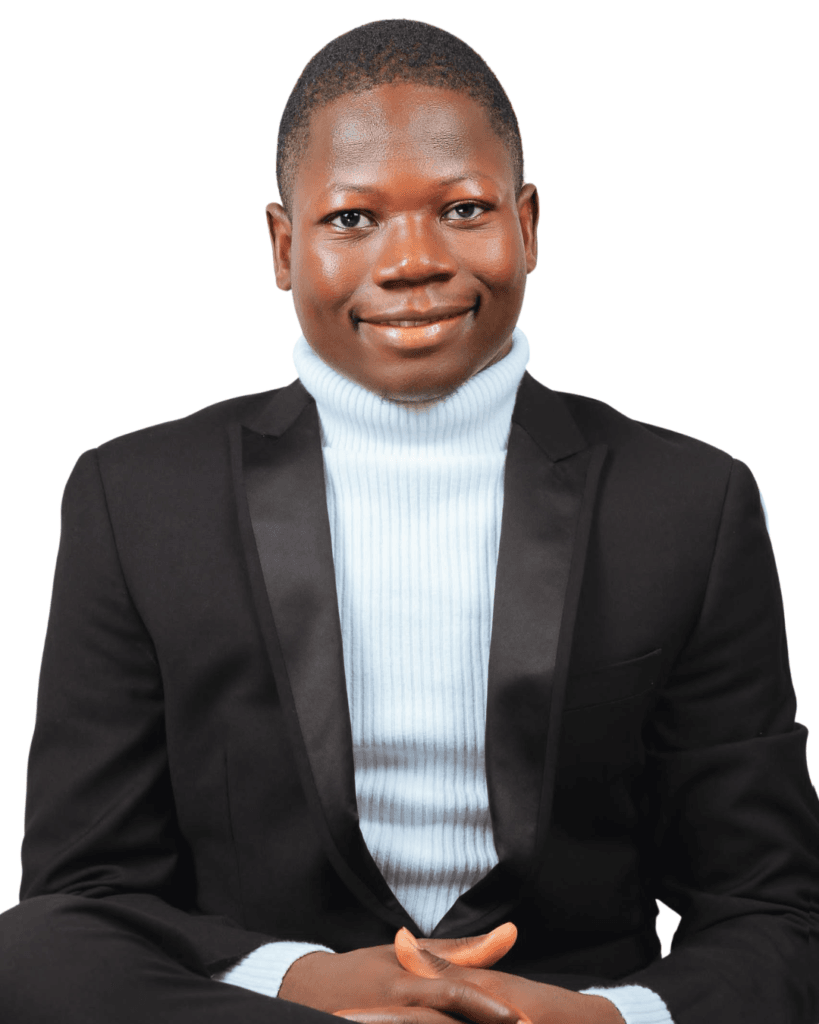
Moussa Dari
Benin
Moussa Dari (he/him) is a Beninese social entrepreneur, youth leader and Mastercard Foundation Scholar committed to food security, climate action, and community development. Through ECOFEED, he has trained over 50 rural women to transform cassava, soy, and chilli into marketable products. He has mentored over 93 young people, mobilised 200 students for collective action, and led community initiatives supporting schools, hospitals, and access to clean water. His climate engagement includes work with FXB Global, UNITAR, YOUNGO, and the Global Centre for Climate Mobility.
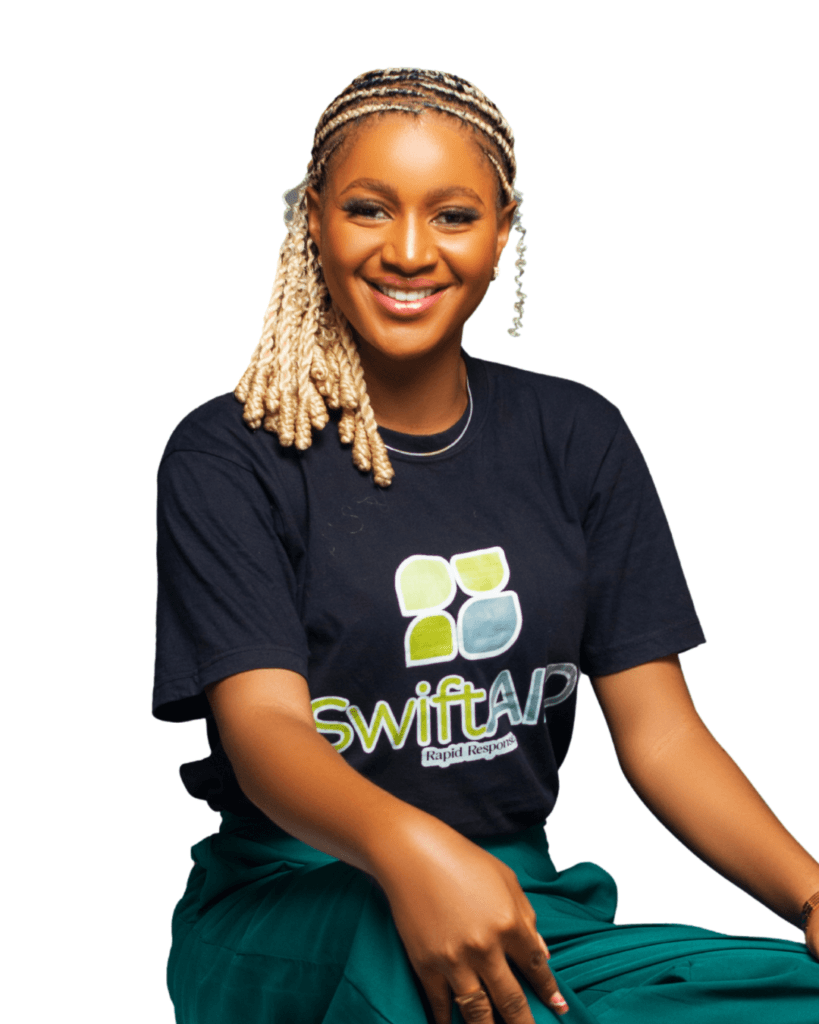
Favour Bassey Effiom
Nigeria
Favour Bassey Effiom (she/her) is a Nigerian advocate and founder of the SwiftAid Foundation, dedicated to tackling gender inequality, child marriage, teenage pregnancy, and child abuse. Inspired by her own experience as a survivor of sexual violence, she transformed personal activity into a movement that empowers survivors, engages boys as allies, and strengthens families through community dialogue. Through initiatives including Save the Girl, From Boys to Men, From Street to Class, and the Free Accessibility Water Project, she has supported vulnerable girls, promoted education, and challenged cycles of violence and exclusion, creating pathways to safer, more equitable communities.
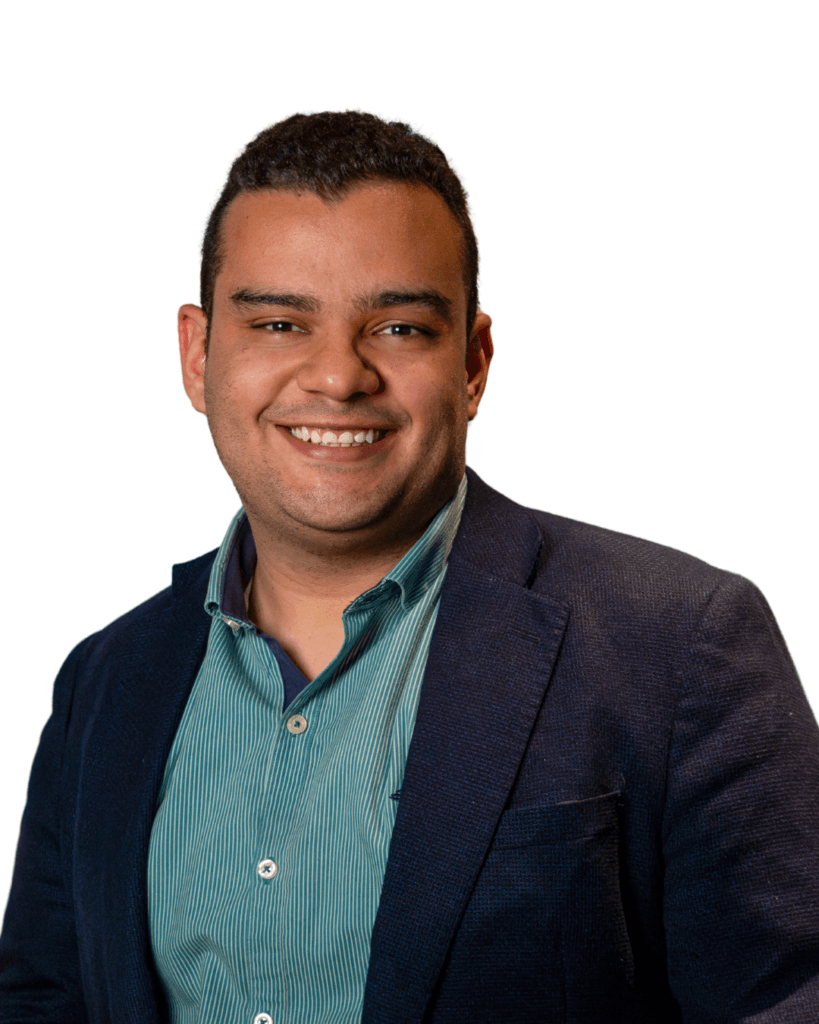
Juan Pablo Alvarado Herrera
Colombia
Juan Pablo Alvarado Herrera (he/him) is a Colombian educator, psychologist, lawyer and social impact leader dedicated to expanding opportunities for children and youth in vulnerable communities. Through partnerships with companies, volunteers, and community organisations, he connects young people to educational, artistic, socio-emotional, and STEM programmes that foster personal growth and social mobility. Inspired by a family legacy of service and education, he has worked to transform narratives of exclusion into pathways for empowerment. As Coordinator of Partnerships and Volunteering at the Leonardo Da Vinci Foundation, he helps deliver life-changing opportunities to more than 1,800 individuals annually, strengthening resilience, self-esteem, and community development. Simultaneously, at the Innovation for Development Foundation, he drives youth leadership as part of the Dreamers and Makers program — mobilizing and inspiring a thriving community of over 300 young leaders across Colombia.
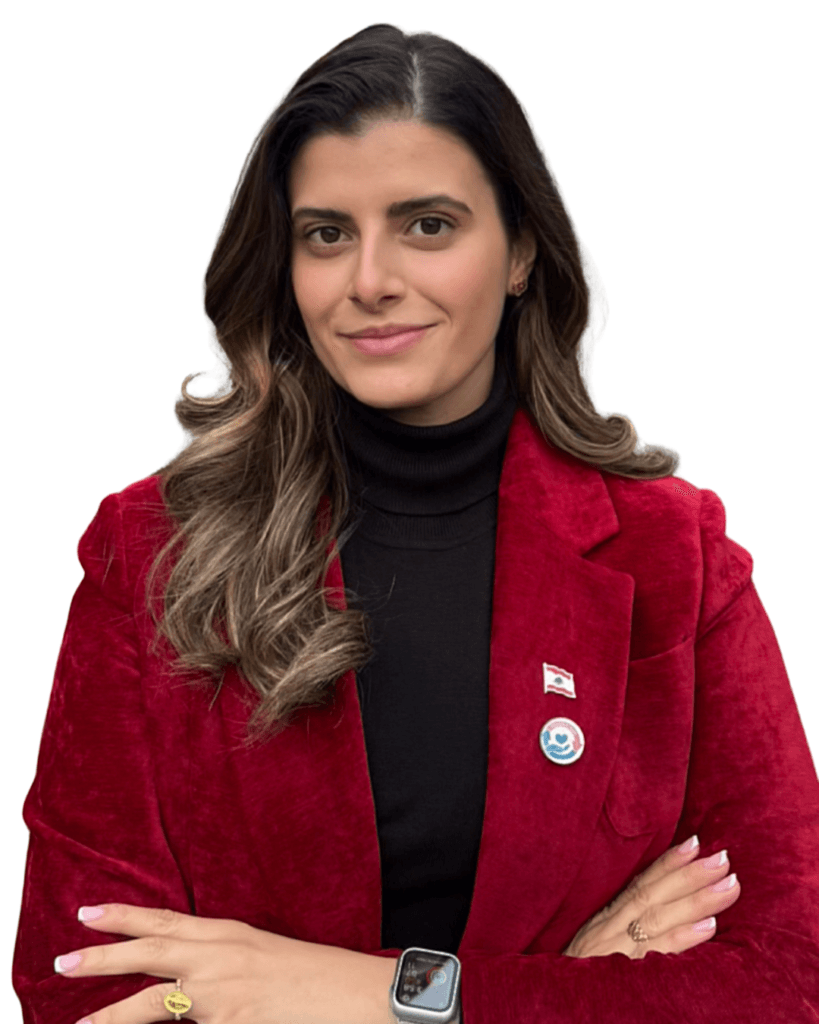
Marina El Khawand
Lebanon
Marina El Khawand (she/her) is the Founder and President of Medonations, a global health equity organisation operating across 65 countries to ensure access to life-saving medications and healthcare. Inspired by her volunteer work following the 2020 Beirut Port explosion, she transformed a grassroots effort into an international network that has supported more than 25,000 beneficiaries in Lebanon. Combining her background in law and pharmacy, Marina also launched Lebanon’s first free HealthTech Clinic and founded CuraLoop, an initiative addressing medical waste. Her work focuses on building innovative, sustainable solutions that make healthcare accessible, fair, and dignified for all.

Zuchi Lkhamsuren
Mongolia
Zuchi Lkhamsuren (he/him) is a psychologist, researcher, and advocate for positive psychology, social-emotional learning, and mental health leadership. As co-founder of the Nest for the Development of Young Psychologists in Mongolia, they work to strengthen the mental health profession through ethical practice, mentorship, and community building. Motivated by personal experiences and the urgent mental health challenges facing Mongolian youth, they empower young professionals to foster resilience, compassion, and human rights-centred care. Their work promotes emotional literacy, suicide prevention, and responsible leadership, with the goal of ensuring that no young person faces a crisis without support.
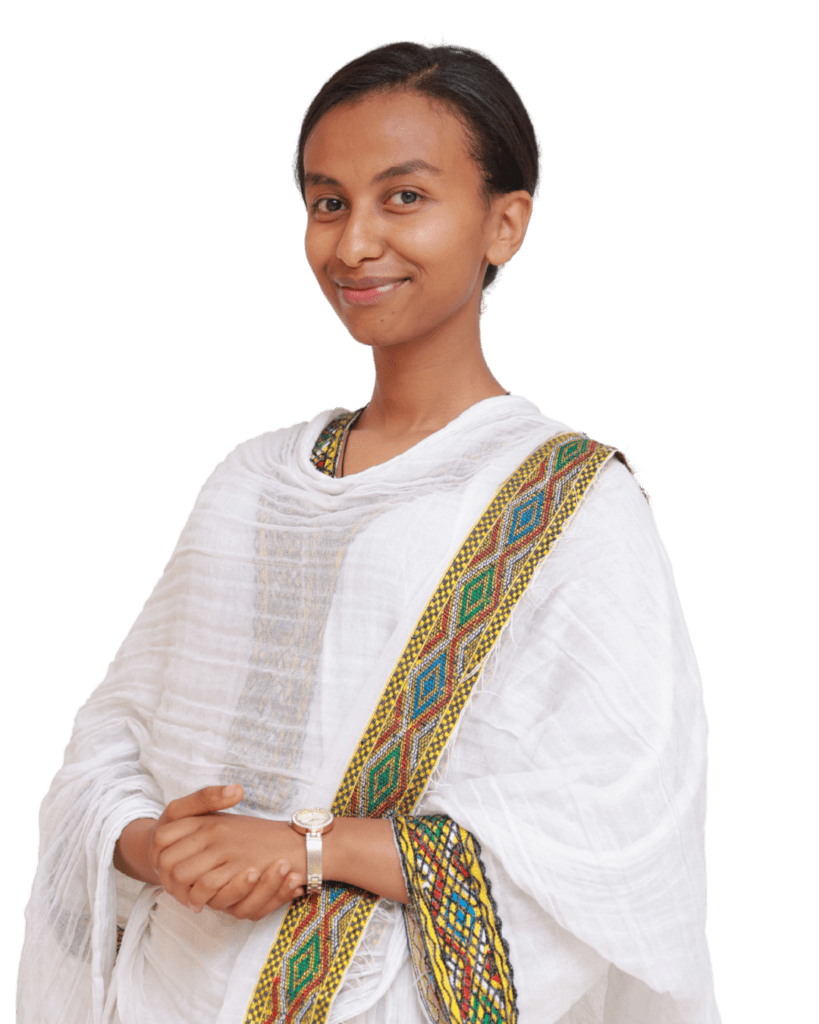
Sofanit Dejene Mebrate
Ethiopia
Sofanit Dejene Mebrate (she/her) leads community-driven initiatives that integrate sustainable watershed management with peacebuilding and faith-based environmental stewardship. Her work enables local communities to collaboratively manage shared natural resources, prevent conflict, and improve livelihoods through inclusive dialogue and practical environmental solutions. She combines physical and biological soil and water conservation techniques, such as trenches, percolation pits, gully treatment, and cropping calendars, with participatory decision-making involving elders, farmers, and youth. In 2024, in Ankober, Ethiopia, she mobilised over 150 community volunteers to implement integrated watershed activities addressing environmental degradation and resource-based tensions. Her approach strengthens trust, shared responsibility, and cooperation between upstream and downstream communities, thereby reducing conflict.
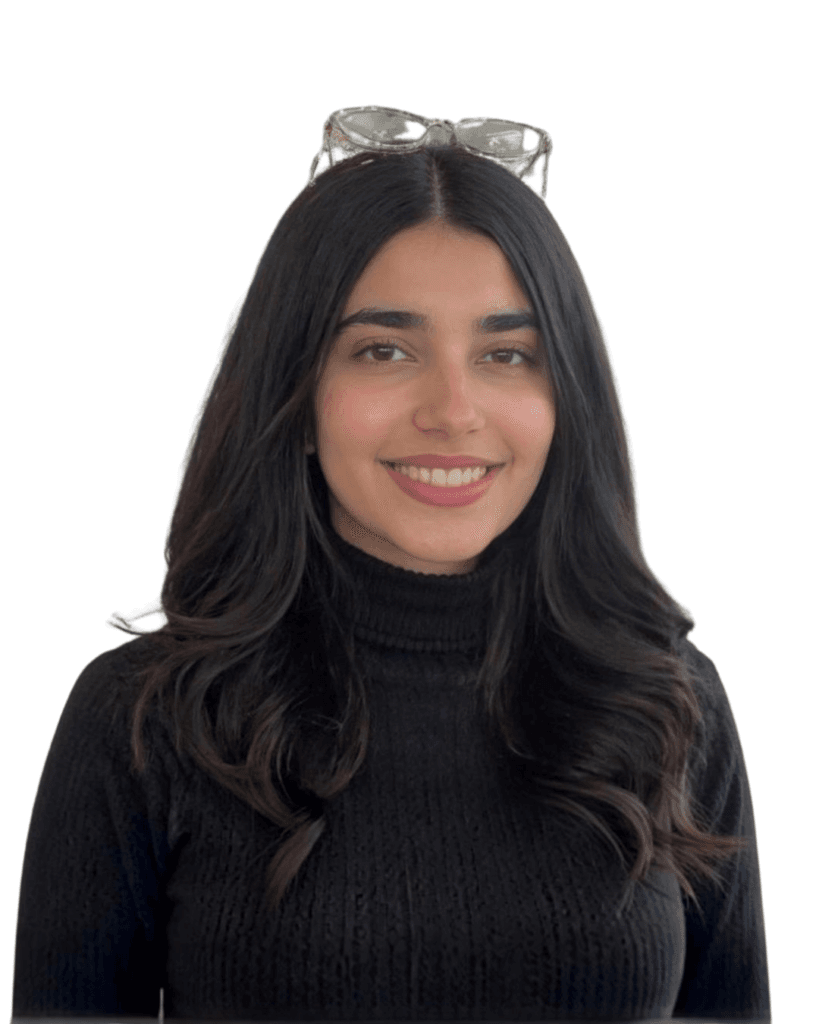
Fatima Nisar
Pakistan
Fatima Nisar (she/her) is a Pakistani social innovator and founder of Youth Service and Policy Pakistan (YSPP), where she uses technology to address community challenges and empower young people, especially girls, as problem-solvers. Inspired by building a smart stick for her visually impaired friend, she developed a human-centred approach to innovation that later led to solutions supporting local farmers and underserved communities. Through YSPP, she introduces students in rural areas to robotics, digital skills, and internet safety, helping them see themselves not just as users of technology but as creators shaping a more inclusive future. Alongside her community work, Fatima leads independent projects focused on climate resilience, intelligent systems, and reducing carbon footprints through energy management and optimisation. Her work combines emerging technologies, sustainability, and social impact to create practical solutions for communities facing environmental and economic challenges.
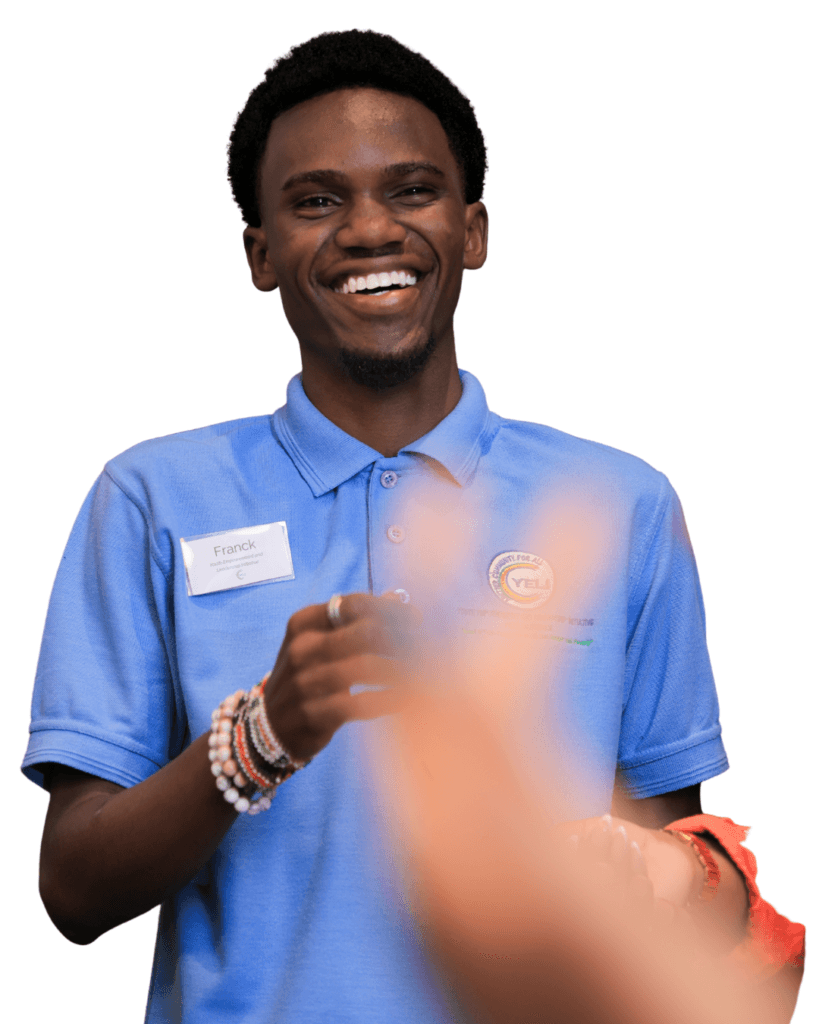
Franck Ngenzebuhoro
Burundi
Franck Ngenzebuhoro (he/him) is a peace and human rights advocate working to ensure that young people’s voices are meaningfully included in decisions that affect their lives. Through his work with the Youth Empowerment and Leadership Initiative (YELI) in Burundi, he engages youth often excluded from decision-making and promotes their role as active agents of peace, leadership, and community transformation. He continues to bridge gaps between young people, leaders, and communities through dialogue, training, and inclusive development initiatives.

Nejat Mehdi Oumer
Ethiopia
Nejat Mehdi Oumer (she/her) is a gender justice and peacebuilding advocate working to leverage the trust and influence of religious leaders and institutions to advance the meaningful participation of women and youth. She is also a Traditional and Faith-Oriented Insider Mediator engaged in transnational justice and inclusive peace-building. She is dedicated to transforming faith into a force for liberation rather than oppression by creating safe, intergenerational, and interfaith spaces for dialogue and action. Through survivor-centred advocacy, storytelling, and collaboration with religious leaders, policymakers, and communities, she works to address gender-based violence, child marriage, and female genital mutilation, while promoting dignity, inclusion, and sustainable peace across faith communities in Ethiopia and beyond.
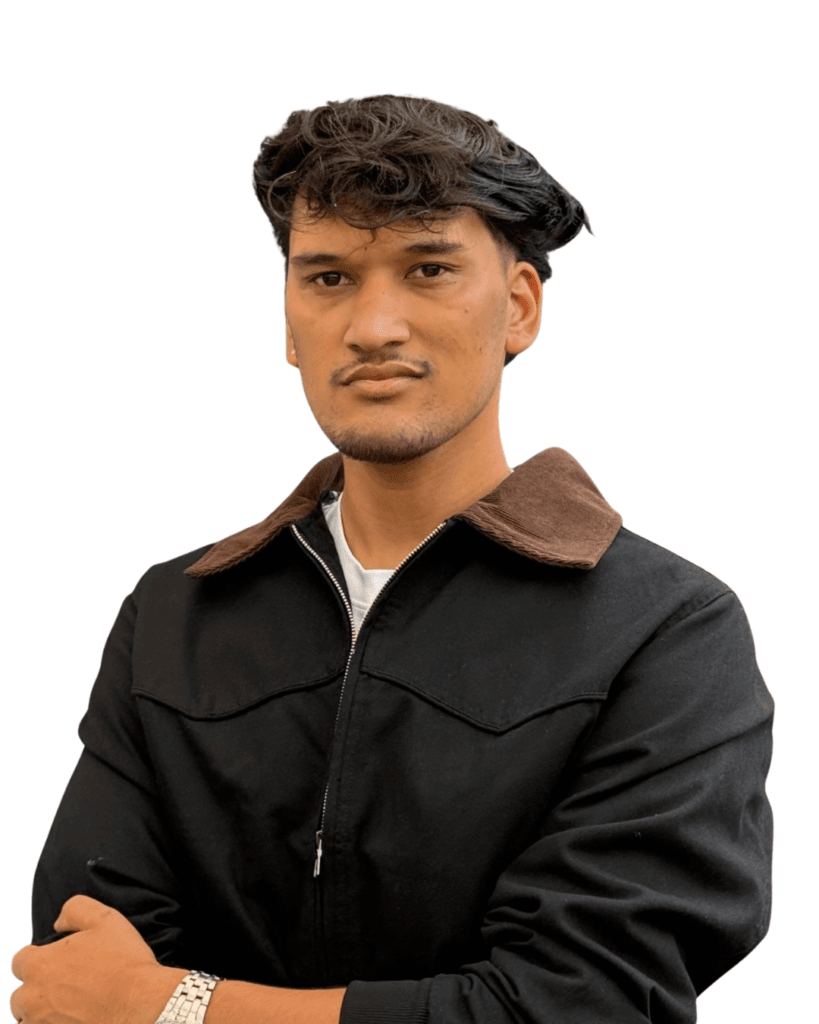
Saugat Jung Pandey
Nepal
Saugat Jung Pandey (he/him) is a human rights and social justice advocate committed to building an inclusive, just, and peaceful society for all people, especially youth and marginalised communities. His passion for human rights stems from various personal experiences, including childhood bullying and witnessing the impact of the 2015 Nepal earthquake on vulnerable communities. He has worked on child rights and inclusive education through an organisation called Child Nepal (CN) and has contributed to disability rights advocacy, child participation in UN reporting processes, and community legal outreach. He is also the founder of Pahunch Nepal, a youth-led initiative focused on human rights awareness, inclusion, and youth empowerment. In his current role at the MasterPeace Foundation, he engages in global projects on peacebuilding, sustainability, and arts-based advocacy.

Ouma Diana Rose
Kenya
Ouma Diana Rose (she/her) is a youth peacebuilder and gender justice activist committed to amplifying the voices of young people in decision-making spaces. Rooted in faith and guided by extensive work with at-risk girls and young women, she views preventing and countering violent extremism as a human dignity issue as much as a security concern. As Chair of the iDove Africa Regional Group under the African Union Commission and GIZ, she leads youth-driven interfaith initiatives across Africa to counter violent extremism and strengthen inclusive peacebuilding. Through her work with Youth for SDGs Kenya, she engages communities, policymakers, and civil society to promote gender-responsive, youth-led approaches to peace, governance and sustainable development.
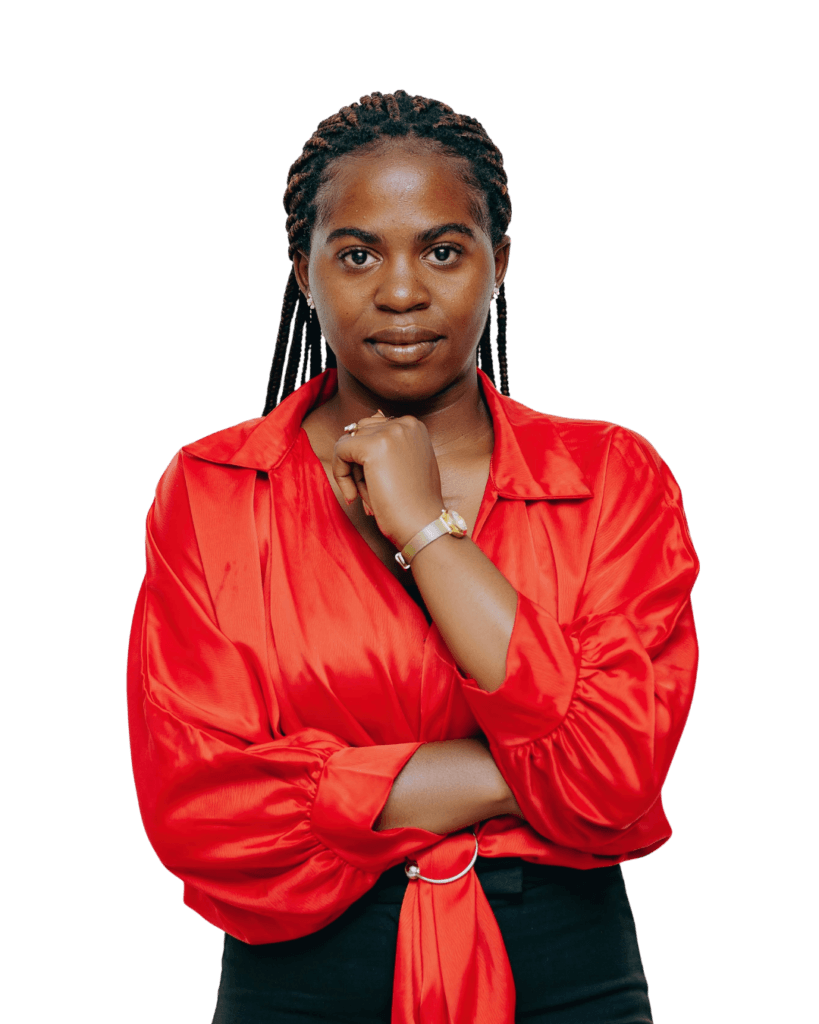
Joviale Nabakatsi Saasita
Democratic Republic of the Congo
Joviale Nabakasti Saasita (she/her) is a peacebuilder, environmental advocate, and founder of Green Hope Initiative for Development (GHID), a youth-led organisation advancing peacebuilding, youth empowerment, and environmental protection in eastern Democratic Republic of Congo. As a young internally displaced person from Nyriagongo, she transformed her experiences of conflict, displacement, and community division into a commitment to fostering dialogue, social cohesion, and resilience. Since founding GHID in 2022, she has worked with over 150 young volunteers and displaced women to promote peace, leadership, and environmental stewardship, empowering communities to become agents of positive change despite ongoing insecurity.

Melissa Michelle Munoz Suro
Dominican Republic
Melissa Michelle Muñoz Suro (she/her) is a public AI and digital governance leader who helps governments build and govern their own digital infrastructure. As co-founder of the Center for Public Intelligence (CPI), she develops open, interoperable AI systems that enable states, particularly in the Global South, to deliver public services more effectively and collaboratively. Drawing on her experience leading innovation policy in the Dominican Republic, Melissa focuses on transforming government from within through digital public infrastructure, open-source technologies, and AI governance. Her work is advancing a new model of public AI that is scalable, inclusive and designed in the public interest.
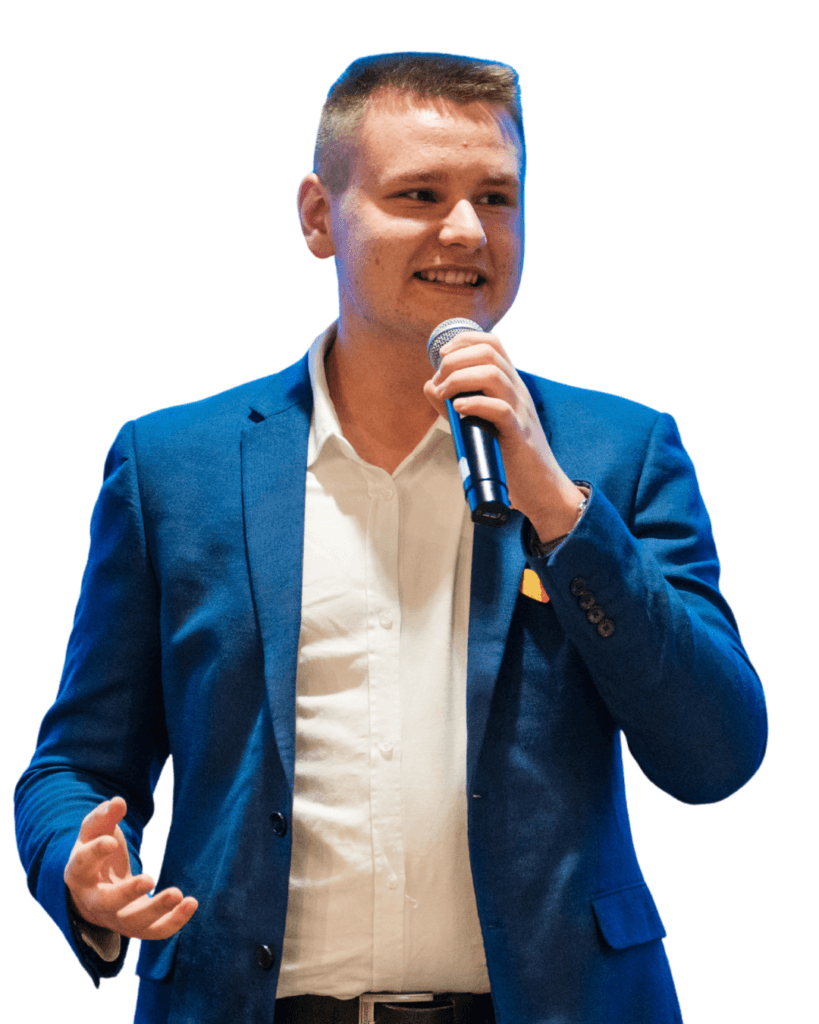
Oleksandr Voloshaniuk
Ukraine
Oleksandr Voloshaniuk (he/him) is a Ukrainian youth leader, education advocate, and civic innovator dedicated to creating safe learning environments and expanding access to education in times of crisis. Motivated by the challenges of studying during war, he developed an automated missile-alert system to help protect students and school communities. Through student leadership, public speaking, and community organising, he has strengthened youth participation, established leadership training programs, and helped build one of the region’s most active youth parliaments. His work empowers young people to become changemakers while promoting education, safety, dialogue, and civic engagement as foundations for a more resilient future
Kofi Annan Changemakers 2025

Michelle Shi Jie Chew
Malaysia
Michelle (she/her) is an experienced youth advocate committed to social justice and inclusive governance. Starting as a grassroots volunteer, she progressed to shaping global youth initiatives. She played a key role in launching the Red Cross Red Crescent Strategy on Youth-led Climate Action and revising the IFRC Youth Engagement Strategy. Her work focuses on reducing inequalities and strengthening youth participation through policy, advocacy, and education.

Saviour Iwezue
Nigeria
Saviour (she/her) is an environmental activist and founded Team Illuminate in 2021 to empower youth as climate leaders through education and grassroots action. Blending digital tools, storytelling, and experiential learning, her initiative embeds sustainability in school curricula and trains students and teachers. With her team of 15 volunteers, they foster climate leadership across regions, using design thinking and reflection to build deep environmental awareness.

Esso-Dong Kongah
Togo
Esso-Dong (he/him) works for the protection and realization of human rights and the rule of law by offering legal assistance. He leads the ’Centre de Documentation et de Formation sur les Droits de l’Homme’ (CDFDH) in Togo, using digital tools to promote access to justice. CDFDH also works to advance human rights via training, research, and collaboration with regional partners to strengthen the capacity of lawyers, civil society, and institutions across Africa.

Lennox Omondi
Kenya
Lennox (he/him) leads ‘Ecobana Limited’, Kenya’s first startup producing 100% biodegradable sanitary pads, tackling menstrual product inaccessibility and stigma. His initiative helps keep girls in school and promotes male involvement in menstrual health education. Its impact spans Kenya and exports to various countries across Africa and beyond.

Ronny Saeed Hasan
Iraq
Ronny (she/her) advocates for Yazidi survivors of the 2014 ISIS genocide, combining legal accountability with community recovery. Ronny writes about human rights violations in Iraq and works with the ‘Yazidi Legal Network’ where she documents crimes, offers legal aid, and supports survivors in navigating justice systems: Ronny fosters a global network of Yazidi survivors for healing and solidarity. By merging legal advocacy with trauma support, she advances justice and empowers the Yazidi community.

Nusaiba Binte Mamun
Bangladesh
Nusaiba (she/her) founded ‘Anondopath’ in March 2024 to deliver accessible STEM education to rural students in Bangladesh, especially girls. Using virtual labs via smartphones, her team bridges the digital divide without internet or expensive tools. With her team, Nusaiba runs workshops around the country, creating inclusive learning experiences and reaching underserved communities.

Shirley Santana Herrera
Dominican Republic
Shirley (she/her) founded ‘Excelsior Academy’ in September 2022 to bridge the gap between talent and opportunity for youth in the Dominican Republic. Rooted in her experience growing up in a hurricane-stricken community, Shirley equips students with skills in critical thinking, digital literacy, and entrepreneurship. By preparing youth for the future of work and leadership, her work promotes long-term socioeconomic empowerment and resilience.

Davi Augusto
Brazil
Davi Augusto (he/him) is a psychologist, researcher and sexual reproductive rights advocate. His project ‘Sex Education for All‘ fosters critical thinking, violence prevention, and promotes youth autonomy. So far, his program has reached over 1,000 students in public schools, and through strategic advocacy, he is now working to expand the project to gain national visibility. His mission is to drive structural change in Brazilian education by institutionalising comprehensive, evidence-based sex education as a national public policy rooted in human rights.

Larisa Aguilar
Guatemala
Larisa (she/her) works to eradicate gender inequalities in Guatemala, focusing on education and empowerment of women and girls. Addressing violence and discrimination rooted in patriarchal and racist systems, especially in rural Indigenous communities, her approach uses gender-transformative and participatory methods.

Nguyen Huu Quynh Huong
Vietnam
Quyhn Huong (she/her) leads ‘Slowbooks‘ to empower young authors and illustrators to create children’s books on social issues such as the environment and mental health. She has published several books for Vietnamese children and nurtures ‘SlowCircle’, a network of creatives in Vietnam where she combines storytelling and education through workshops, creative camps, reaching over 15,000 children so far.

Ria Das
India
Ria (she/her) is a lawyer working at the intersection of criminal law, environmental law, and juvenile justice, defending young activists and human rights defenders in India. She provides pro bono legal aid to juveniles, ensuring protection under child rights laws. Ria also trains youth in legal literacy and advocates for alternatives to imprisonment, such as counseling and rehabilitation, to reduce criminalization and support empowered, rights-aware activism.

Anna Ferreira
Venezuela
Anna (she/her) is a grassroots activist focused on combating oppression and shrinking civic spaces by building movements and empowering youth participation. She leads Venezuela’s National Student Movement and has mobilized over 1 million people. As a Youth Engagement Coordinator for ‘CIVICUS’, Anna also drives global peer learning and leads campaigns amplifying grassroots voices for justice and peace.
Kofi Annan Changemakers 2024
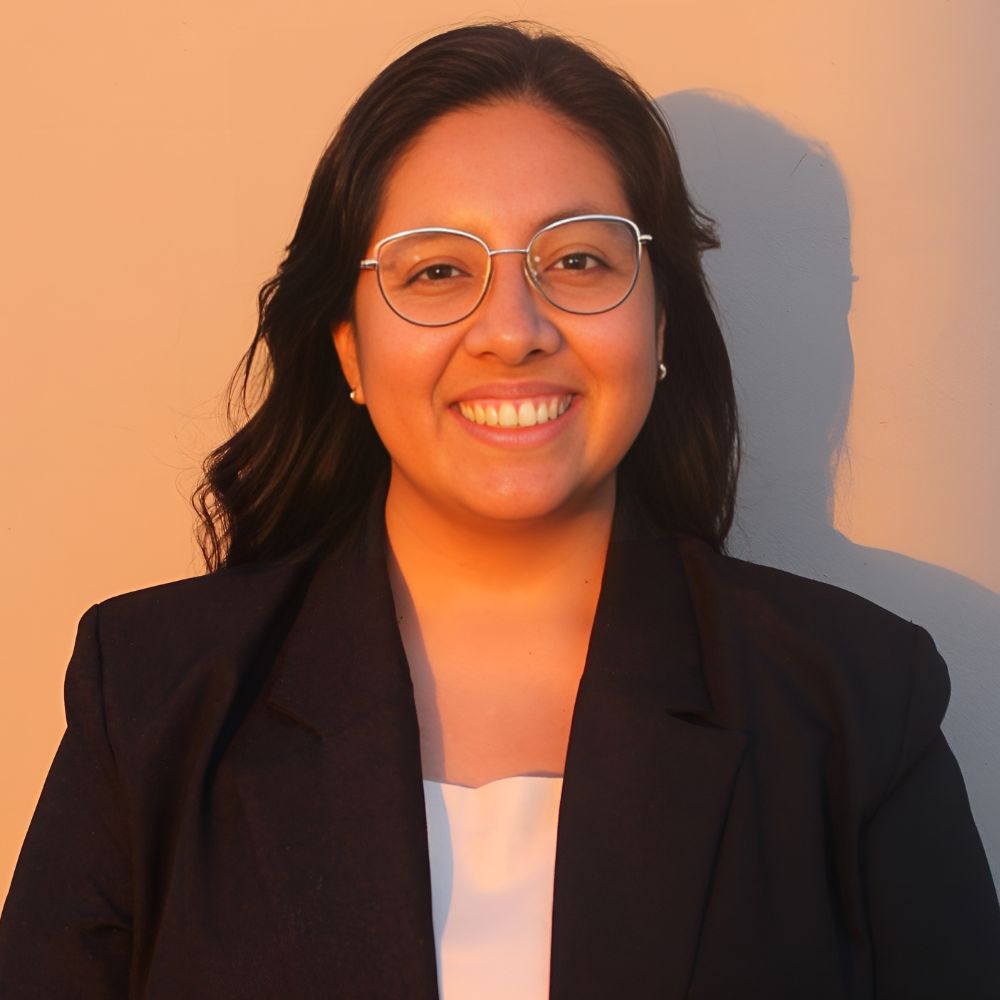
Camila Baello
Argentina
Camila (she/her) is dedicated to empowering youth, especially those from underprivileged backgrounds, to participate in shaping a more inclusive digital future for their communities. Through youth initiatives like ITU Generation Connect and The Fifty Percent, Camila helps bridge the gap between youth and policy-making by fostering dialogue and building capacity for multi-level engagement.

Cedric Bichano
Democratic Republic of the Congo
Cedric (he/him) founded the World Refuge Film Academy, based in the Nakival Refugee Settlement in Uganda. With this initiative, Cedric equips refugees and host communities with digital filmmaking and storytelling skills so that they can share their unique experiences and challenge misconceptions surrounding refugee issues.

Huma Nasir
India
Huma Nasir (she/her) is a Human Rights Lawyer, Researcher, and Gender Justice Advocate. With a strong passion for advancing equal justice for everyone, her work and research interests center on ensuring fair access to legal representation for indigenous communities and identifying gaps in the intersection of human rights, gender, and indigenous identities through the lens of international law.

Keshoe Isaiah
Kenya
Keshoe (he/him) is a climate activist from the Maasai Indigenous community in Kenya. In 2020, Keshoe founded the youth-led organisation New Lion Project to empower Indigenous communities to tackle climate change by drawing on their Indigenous knowledge, scaling up grassroots actions and raising awareness through storytelling.

Laura Pistarini Teixeira Nunes
Brazil
Laura (she/her) is a peacebuilder who advocates for social justice. As project manager at PATRIR, she is committed to long-term healing and supports Ukrainian civil society in peace education, youth empowerment, and reconciliation. Her work fosters dialogue and resilience, with non-violent resistance as a core value. Laura is also the Regional Coordinator for Europe at the United Network of Young Peacebuilders.

Luis Gerardo Carvajal Fernández
Mexico
Luis (he/him) is a climate activist and advocate. He co-leads CL–AI–MATE, a pioneering project that merges education, storytelling, artificial intelligence (AI), and artivism to amplify the voices of climate activists and those affected by environmental challenges. Through AI-generated art, Luis transforms narratives around climate, sparking a global movement for change.
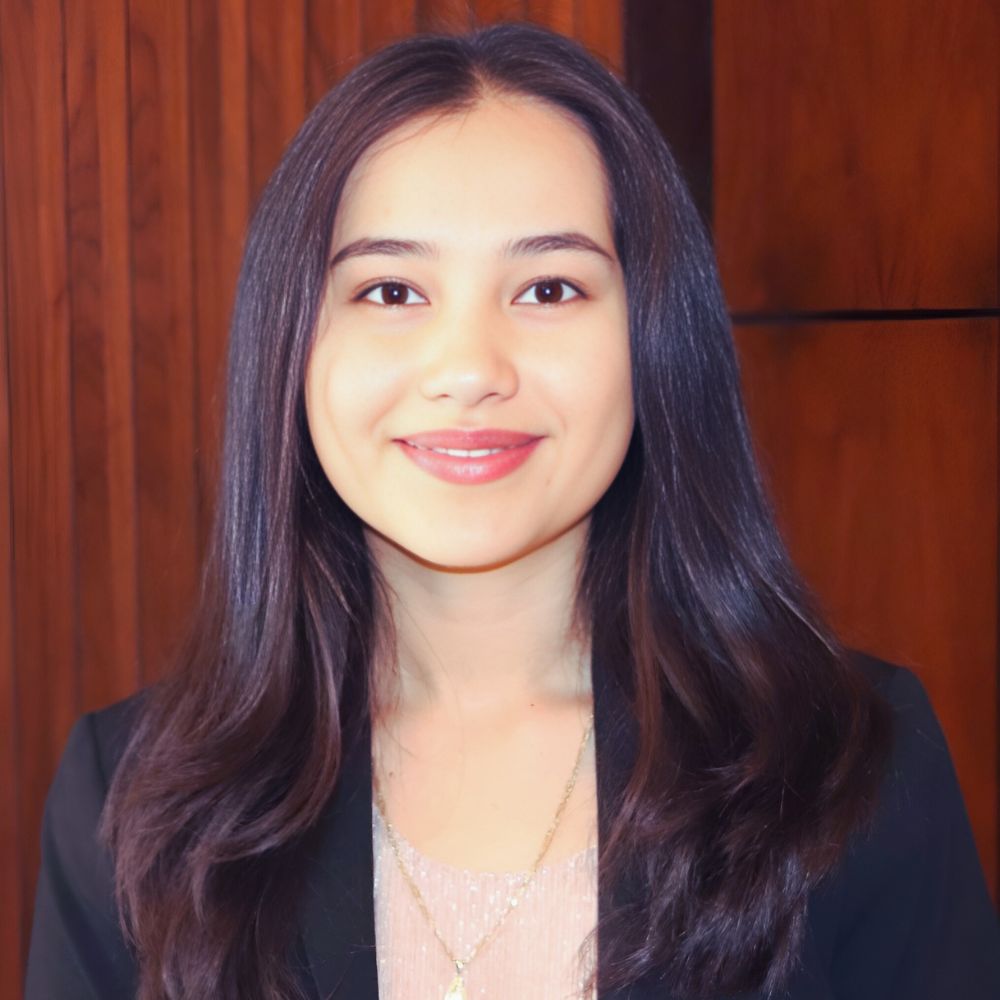
Mahnoz Rahimzoda
Tajikistan
Mahnoz (she/her) empowers young people across Central Asia. Through her work at the Organization for Security and Co-operation in Europe (OSCE), she equips young people to become agents of change by cultivating narratives for an inclusive future, tackling gender equality issues and advocating for youth’s participation in decision-making processes.

Mehrbanou Hosseinirad
Iran
Mehrbanou (she/her) is motivated to empower youth and bridge healthcare gaps. She established a local Iranian Medical Student’s Association committee at her university. Her actions foster resilience and build capacity around youth engagement in human rights and public health, amplifying the voices of Iranian healthcare students and youth globally.

Nancy Mma-Ngaare Mba
Ghana
Nancy (she/her) founded the Magnificent Smiles Foundation, an organisation dedicated to reducing inequalities and providing quality education for all. The foundation focuses on educational and psychosocial support and ethical leadership programming for disadvantaged children and teenagers, especially orphans and the most vulnerable.

Sameer Ali Khan
Pakistan
Sameer (he/him) founded Collective Pakistan in 2020 to combat online hate speech and violent extremism, and to promote peaceful coexistence. By providing a content creation platform and an online support group, Sameer empowers peace activists and fosters collaboration and interfaith dialogue.

Sylvain Obedi Katindi
Democratic Republic of the Congo
Sylvain (he/him) advocates for the rights and participation of people with disabilities in his country. Through his organisation, Enable the Disable Action, Sylvain trains disabled individuals in digital technologies, entrepreneurship, and how to be resilient to the effects of climate change. His work was also instrumental in securing the country’s first disability rights law.

Victor Okechukwu Chimezie
Nigeria
Victor (he/him) is a passionate peacebuilder and founder of the youth-led, non-profit organisation Mind Reformers Network. Through his work, Victor empowers young Nigerians and Africans to become agents of peace, tackling insecurity challenges through education and fostering a generation committed to a more peaceful future.

Yairy Vega Muenala
Ecuador
Yairy (she/her) is a Kichwa Otavalo activist who promotes Indigenous rights, particularly those of women and their political participation. She is a member of the Tuparina Sinchi Warmikuna Collective (Women’s Power), where she develops women’s leadership camps and pursues her advocacy efforts as a Young Advisor for Cooperation at the European Union Delegation to Ecuador.

Zulaikha Patel
South Africa
Zulaikha (she/her) is an Anti-Racism Activist and Author driven by the vision of quality education for all. She founded Dare To Change in 2022 with the aim to eradicate literacy poverty among children in South Africa by establishing library corners in schools, and intends to contribute to a decolonized African anti-racism feminist course to be used in universities, schools and workshops.
Kofi Annan Changemakers 2023

Aida Marukyan
Armenia
Aida (she/her) is a queer feminist activist who, with the youth-led queer-feminist initiative “Queer Sista,” tackles discrimination and gender-based violence through grassroots community-based approaches focusing on gender mainstreaming, art activism and promoting well-being. Her work creates a safe space by promoting solidarity and mutual support.
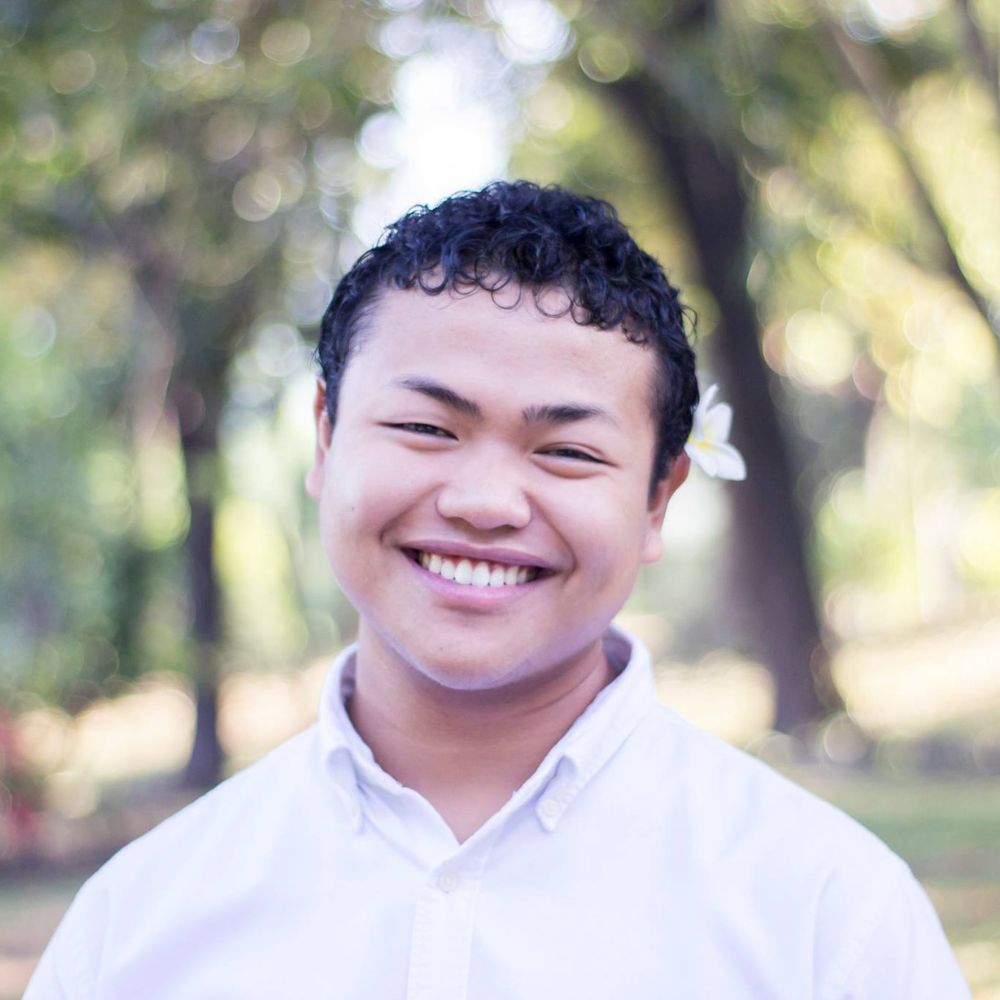
Benjie Allen Dela Pasion Aquino
The Philippines
With the University of the Philippines Paralegal Volunteers’ Organization (UP PVO) Benjie (he/him) works to defend changemakers from repression. Through the provision of legal rights education and through direct paralegal assistance they aim to reduce the security risks that changemakers face and increase the legal aid accessible to young activists and human rights defenders.

Clement Ngosong
Cameroon
Driven by his belief that young people have the power and potential to change the world, Clement (he/him) founded the non-profit organization “Youths Inspiration.” With the goal to cultivate a new generation of African leaders who will drive progress and innovation across the continent, they provide young people with informal education and mentorship that empowers them with the skills and knowledge necessary to bring positive change.

Laura Natalia García Torrejano
Colombia
Laura (she/her) is part of the “Match Tennis Foundation”, which was conceived in 2018 as a way to empower children and youth to prevent their recruitment by armed groups. Their work shows how tennis and education can positively impact children and youth, helping them be agents of change in their own communities.

Mable Chileshe
Zambia
Mable (she/her) is a gender advocate working towards digital inclusion and social justice. She founded AmplifyHer STEM, an NGO that empowers Zambian girls in STEM through mentorship and experiential learning. In 2022, she was named a gender champion by ITU for her work.

Mathias Charles Yabe
Ghana
Mathias (he/him) and his organization “AkoFresh” are on a mission to build strong and resilient food systems in local communities across Africa by offering sustainable cold chain services, trainings, and market linkages to help reduce postharvest losses thereby creating lasting profits for smallholder farmers, reducing food waste carbon emissions and alleviating poverty.

Nabeela Iqbal
Sri Lanka
Nabeela (she/her) is a peacebuilder who works for women’s and minority rights in Sri Lanka. She founded the “Sisterhood Initiative” with the goal of bringing young women and girls from minority groups to the front lines of activism. One of their objectives is to address the increased stereotyping of minority communities and to work towards building peaceful communities.

Sabir Ali
Pakistan
Sabir (he/him) is a human rights activist working to secure equal rights for vulnerable groups, aiming to create a favourable living environment for every human being. His activism, which focuses on peacebuilding, ensures the implementation of projects that ensure youth engagement in peacebuilding and interfaith dialogue among diverse groups in communities.

Taylor Dee Hawkins
Australia
Taylor (she/her) is co-founder of Foundations for Tomorrow, a non-profit with the mission of advancing the protection of future generations in Australia, which has also recently launched the Australian Parliamentary Group for Future Generations. She is also an Advisor to the Our Future Agenda initiative of the United Nations Foundation.

Tayma Abdalhadi
Palestine
Tayma (she/her) helps internet residents navigate their digital spaces more safely, and the public & civil society in their pursuit of safe and inclusive digital transformation. By building a digital security mindset and a communication channel between techies and non-techies.

Toha Shamsoo Issah
Ghana
Toha Shamsoo Issah (he/him) works passionately for a peaceful and inclusive world through innovative peacebuilding and youth empowerment in partnership with religious and traditional leaders. He is part of the youth-led peacebuilding NGO “African Students For Interfaith Tolerance” which aims to promote interfaith harmony and peace while advocating for the Youth, Peace and Security agenda in Ghana.

Vee Silas
Nigeria
Veronica ‘Vee’ Silas (she/her) is engaged with community-based organizations that focus on mental health and youth development, aiming to reduce the cultural and social stereotypes aimed against people battling with mental illness. Together, they empower young people through the In-My-Head Support Group with essential soft skills and resources, including training, internships, and support groups, to become mentally aware global citizens and attain economic security.
Kofi Annan Changemakers 2022
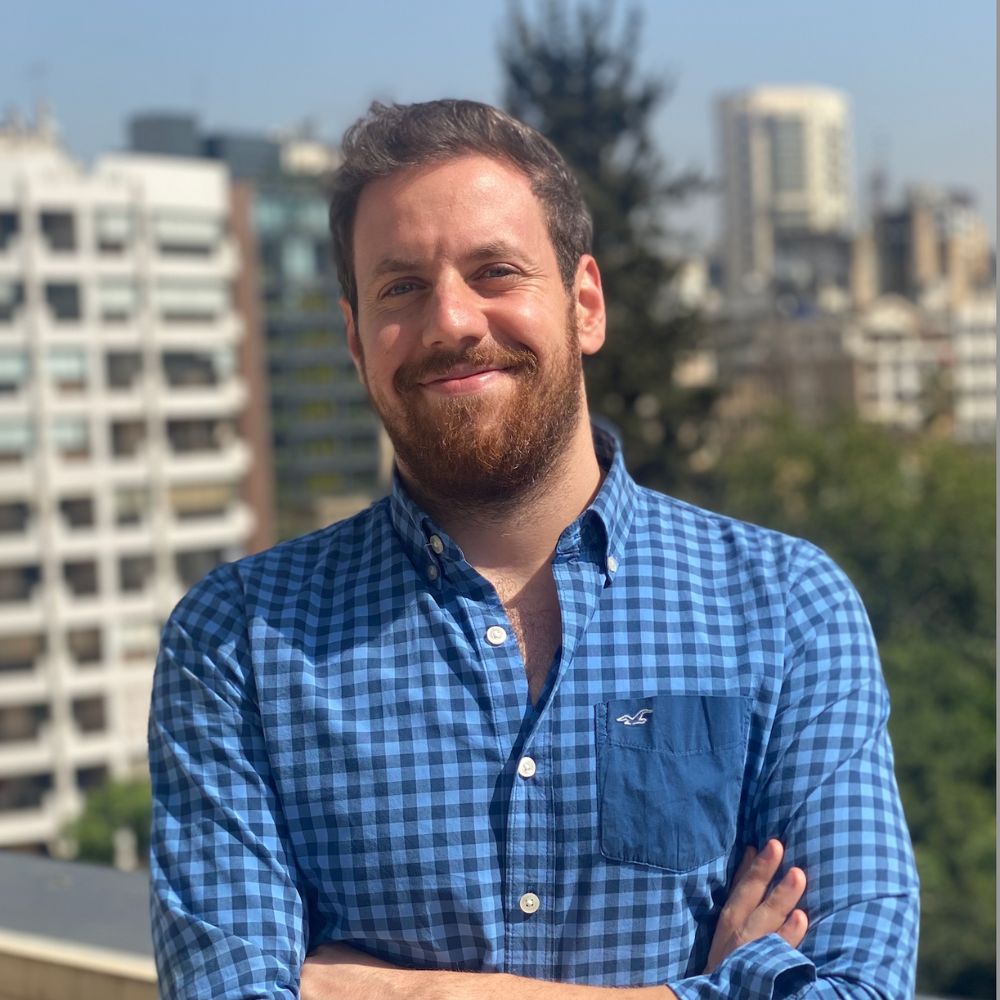
Fahd Jamaleddine
Lebanon
Fahd (he/him) created ‘Learning Land’, a virtual and physical platform that brings educators together with policymakers to co-create bottom-up sustainable solutions and advocate for policy change. Fahd hopes to leverage his grassroots movement to bridge the learning gap in Lebanon, accelerate progress and shape the future of education in the country.

Juwon Samuel Afolayan
Nigeria & UK
Juwon (he/him) leads the Chapters working group of the World Youth Parliament for Water. His vision is to contribute to the actualisation of international cooperation among young water professionals, who could promote sustainable dialogues and actions that would birth a new era of water response globally.

Luisa Fernanda Romero Munoz
Colombia
Luisa (she/her) empowers poor communities who were previously devastated by conflict in Colombia by training locals, especially women, to work in the Tourism industry. Luisa has supported over 20,000 people, providing a source of livelihood through sustainable ecotourism, and furthering peacebuilding and reconciliation among her community.

Nojus Saad
Iraq
Nojus (he/him) is the CEO of Youth for Women Foundation, mobilizing and empowering community stakeholders to advocate for gender equality, LGBTQIA+ rights, and gender-based violence policies, fostering digital healthcare and literacy initiatives, and bridging the widespread digital divide. He hopes to continue to educate and empower women and youth from rural, marginalized communities on their mental health, human rights, physical well-being, and digital literacy.

Manata Aleksandr
Kyrgyzstan
Manata (she/her) works with the Danko Public Foundation in Kyrgyzstan. Together with her team, she develops programs for high school students to improve literacy. She hopes to continue to contribute to the development of youth in a rapidly changing world, and also reducing ‘brain drain’ in Kyrgyzstan.

Marius Affonfere
Benin
Marius (he/him) contributes to alleviating malnutrition among women of reproductive age and children under the age of five in the Benin Republic. Through his enterprise, BICOF, he aims to provide affordable and nutritious food and boost food and nutritional security. Marius has been working closely with the local people of Northern Benin to improve their nutritional status by disseminating healthy, nutritionally dense products.
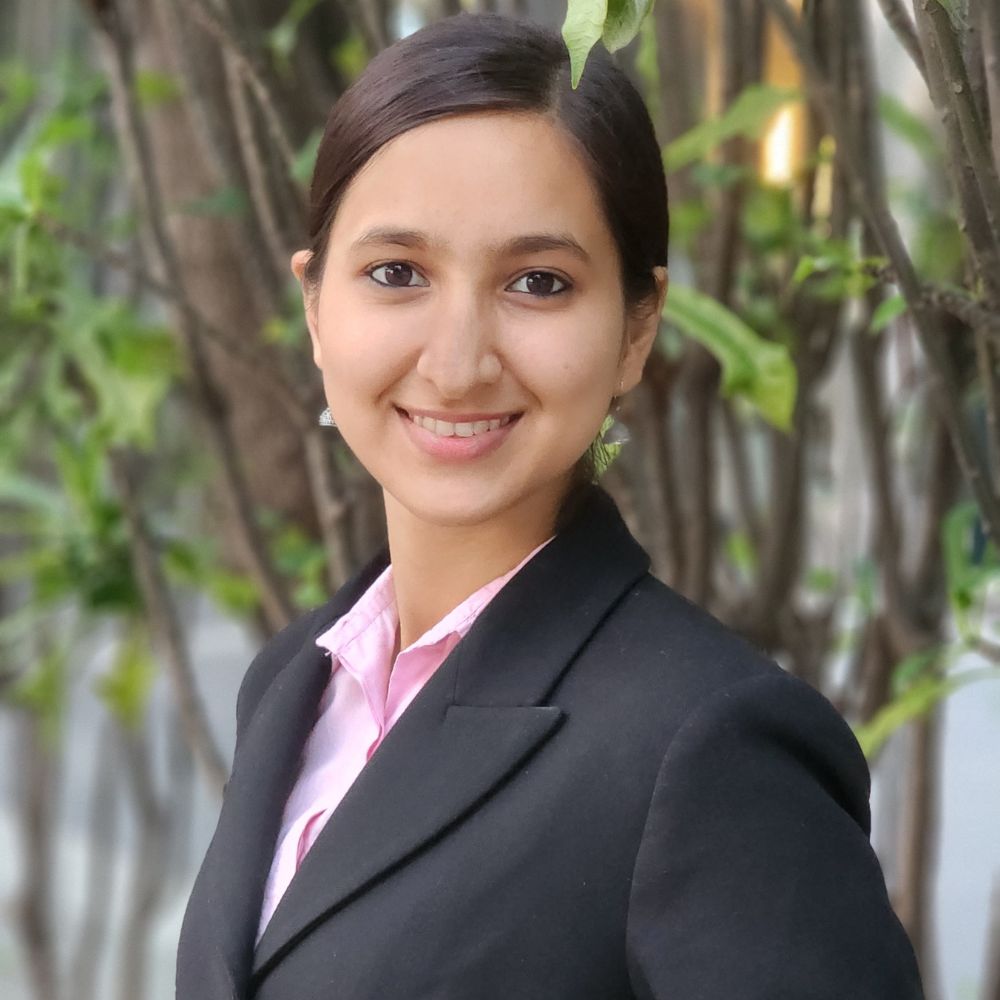
Shradha Pandey
India
Shradha (She/her) is leading the Grassroots Energy Management Support (GEMS) project focused on bringing about an inclusive energetic transition in rural India. GEMS is working to ensure lower pollution, improved health, and social welfare of women and girls in rural India. GEMS will achieve its goals by replacing traditional open-pit cooking with low-smoke ones and solar lamps instead of kerosene lighting. An add-on advantage of the energy transformation is improved time management of women, creating new income-generating opportunities.

Saif Ullah Khan
India
Saif (he/him) works with vulnerable children and youth in India by using his Rugby organization to rehabilitate and transform them to become young, active leaders in their communities. He wants to create a ripple of change through his organization across the country. Saif’s intervention has provided people with access to a growing support system that gives them a space to grow whilst offering a clear pathway to stay physically and mentally fit through Rugby.

Samar Khalid Abushama
Sudan
Samar (she/her) and her organization, Adeela, promote the participation of youth in driving social change through art and culture. Samar wants to contribute to dismantling systems that make social injustices possible through building youth spaces and art-driven solutions. Adeela is present in over 11 states in Sudan and has supported 500+ grassroots youth bodies working on tribal conflict, violence against women and the participation of youth in local governance.

Mohammad Hamzeh Shehadat
Syria & Jordan
Mohammad (he/him) is the founder of the ‘Youth for Peace Initiative’ (YPI). YPI helps accelerate the achievement of the SDGs by promoting the values of peacebuilding activities between Jordanian and Syrian refugees. Through his organisation, Mohammad offers youth access to educational opportunities and resources to gain skills to become influential leaders and peacebuilders in their communities.

Stacy Dina Adhiambo Owino
Kenya
Stacy (she/her) helps young women and girls in Kenya to escape FGM (Female Genital Mutilation) while also educating the public on its effects. She aims to influence the government through the Ministry of Gender and Health to enforce policies against FGM in the future. Stacy created a mobile app, iCut, that enables girls/users to report cases of FGM (Female Genital Mutilation) before it happens so that users can contact rescue centres or hospitals closest to them.
Kofi Annan Changemakers 2021

Abdul Gafaru
Ghana
Abdul empowers women in rural areas of Ghana who work in the production of Shea and its processing. He aims to raise women above the poverty line and to make the production of Shea more sustainable for the planet.

Chmba Ellen Chilemba
Malawi
Chmba helps create young leaders who will transform their communities, break toxic cultures and make Malawi, Africa and the world a better place. Co-founder of Tiwale, Chmba creates safe spaces for young women, girls, and members of the LGBTQ+ community to flourish.

Irene Nagudi
Uganda
Through her organization Kichini Gardeners Initiative, Irene teaches, and connects children and youth to environmental conservation through sustainable gardening practices. Her goal is to empower children and young people to become drivers and agents of change.

Jean Sebastián Pedraza Paez
Colombia
Sebastián seeks to empower rural youth to develop their communities, specifically through the transformation of food systems. He believes that rural youth can transform agriculture and develop their rural territories at the same time.

Junbert T. Pabon
The Philippines
Junbert helps to rehabilitate young offenders, known as Children in Conflict with the Law (CICL). Using a holistic development program implemented by the World Organization of the Scout Movement, he seeks to transform lawbreakers into peacemakers across the Philippines.

Lakshwin Murugamoorthy
Malaysia
As chief operating officer at Women of Will (WOW) Lakshwin empowers women through community development programmes. These programmes provide women entrepreneurs in rural areas with essential training in business management while also giving them micro-credit to kickstart their work.

Leon Gojani
Kosovo
As Director of the Young Leaders Program at MCW Global, Leon creates opportunities for discussion between young leaders and equips them with the skills necessary to create change within their communities.

Lourence Balatbat
The Philippines
Lourence is the Founder and CEO of Beyond Three Billion (B3B), a non-partisan youth-led organization that develops context-based programs to end the marginalization of young people in elective and appointive decision-making spaces across all levels of governance.

Sharon Matongo
Zimbabwe
As co-founder of Charity Drive Zimbabwe, Sharon works to improve rural education and teach about the right to education. She aims to put human rights in the national curriculum and give all children in Zimbabwe equal access to education regardless of their gender or socioeconomic background.

Sophiyat Sadiq
Nigeria
Sophiyat works with girls in Lagos to build their capacity in STEM subjects and digital technology. Through her organization, Auxillium, she runs multiple workshops for girls on various STEM subjects. She hopes to create a world where young girls can fully participate in the digital economy, regardless of their socioeconomic background and gender.

Zeinorin Stephen Angkang
India
Zeinorin works with indigenous farmers from the Tangkhul Naga community in Manipur, India. Focusing on indigenous heirloom seeds, Zeinorin aims to ensure food security and reduce poverty through sustainable farming practices.
“I talk to a lot of young people—their attitude, determination to make a difference, innovative spirit and desire to change things gives me hope.”
Kofi Annan
At a Glance
Kofi Annan Changemakers
14
Up to 14 young leaders are chosen every year to be part of the Kofi Annan Changemakers initiative.
62 young leaders and growing! Each year, we expand our network of incredible Changemakers.
62
42
As of 2025, 42 countries are represented in our growing network of Changemakers, and we continue to expand our reach with each cohort!
8,000 people were
impacted by Kofi Annan
Changemakers seed grant
projects in 2025.
8000
The Selection Process
The Kofi Annan Changemakers initiative follows a nomination-based selection process and does not accept open applications. Each year, we work closely with partner organisations and trusted networks to identify young leaders whose work and values reflect the spirit of Kofi Annan’s legacy.
Those interested in the programme are encouraged to engage with organisations connected to or willing to connect with the Kofi Annan Foundation to discuss the process in more detail.
Partners
Kofi Annan Changemakers
Jenö Staehelin’s Foundation
The Dr Jenö Staehelin Foundation is committed to igniting global understanding and fostering peace through its support for university initiatives, conflict-resolution projects, and humanitarian efforts. They focus on projects that align with the UN’s Millennium Development Goals, particularly prioritising support for students from developing countries studying international humanitarian law and human rights.

The CAGI is devoted to easing the transition and fostering the administrative, social, and cultural assimilation of international residents in Geneva and their families. They provide guidance and support to NGOs, working in tandem with relevant authorities to streamline the establishment process for NGOs seeking to set up in the Lake Geneva area. Furthermore, CAGI is committed to facilitating the lodging of delegates from developing countries, ensuring a comfortable stay during their involvement in conferences, training sessions, or work meetings.

ITU is dedicated to ensuring global connectivity and advocating the universal right to communication for all individuals, regardless of location or resources. As the United Nations’ specialized entity for information and communication technologies (ICTs), ITU comprises 193 Member States and over a thousand entities spanning companies, universities, and various organizations. With its headquarters in Geneva, Switzerland, and regional offices worldwide, ITU holds the distinction of being the UN’s oldest agency, pioneering global connectivity since the telegraph era in 1865.

The Geneva Graduate Institute stands at the forefront of higher education, specialising in the scrutiny of global affairs. Their endeavours encompass academic research, education, expertise sharing, and hosting forums, all aimed at generating and disseminating insights on international relations, development, global challenges, and governance. Nestled in the epicentre of International Geneva, synonymous with global governance, they leverage scientific rigour and cross-disciplinary approaches to nurture critical and inventive thought on contemporary global issues.

Do you want to help build a fairer, more peaceful world?
Support us with your philanthropic gifts and grants


Contact us
Partner with us for an ongoing or future project.
Follow us on Social Media
More Projects
in Youth + Peace
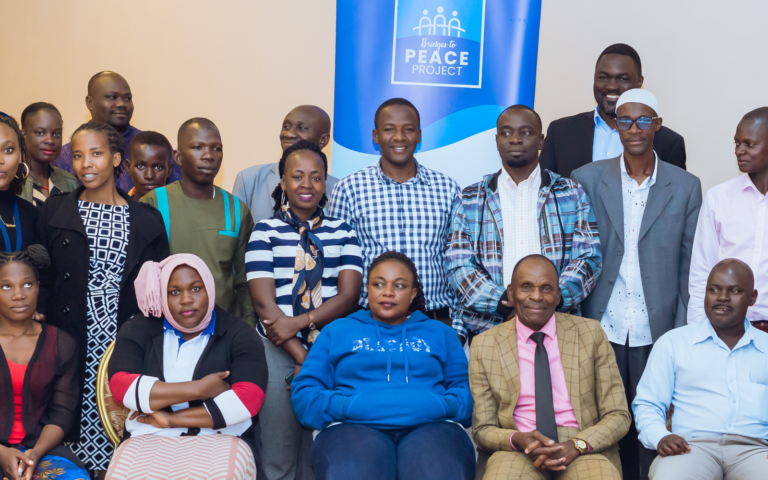
→Bridges to Peace Uganda
Preventing and Countering Violent Extremism and Terrorism in Uganda

→Peace Beyond Borders
Transforming communities from targets of violence into agents of sustainable peace and resilience

→Extremely Together
Empowering young people to build peace and prevent extremism

→Champions for Peace
Leading Change for Cohesive & Sustainable Futures