Accelerating locally grounded solutions for preventing and countering violent extremism in the Democratic Republic of the Congo (DRC) and Uganda.
The Challenge
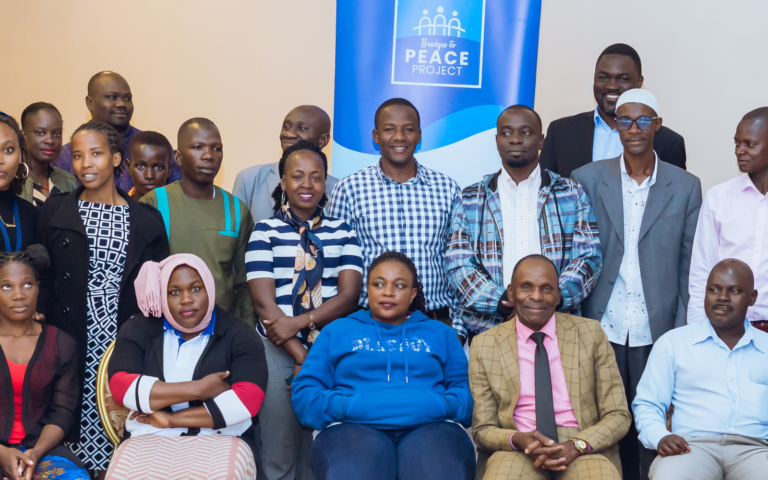
Building on the success of the Bridges to Peace project implemented in Uganda by the Kofi Annan Foundation and Prospect (formerly UMYDF) in 2023–2024, Peace Beyond Borders represents the next phase in our collective efforts to counter violent extremism. This initiative deepens our collaboration with Prospect in Uganda and extends our reach to Eastern DRC through a new partnership with the Pole Institute. Together, we aim to strengthen community resilience and foster cross-border collaboration to address the growing threat of violent extremism.
The project responds to the persistent and evolving threat posed by the Allied Democratic Forces (ADF), whose operations have escalated in brutality and geographic reach. The ADF continues to expand its recruitment networks and carry out indiscriminate, inhumane attacks across the DRC–Uganda border region, exacerbating instability and undermining community cohesion.
“Violence can sharpen the differences between us, leading some to believe that coexistence with the so-called Other is impossible.”
Kofi Annan

About the Peace Beyond Borders project
Peace Beyond Borders aims to strengthen the capacity of communities and state actors in high-risk areas of Uganda and Eastern DRC to prevent and respond to the drivers of violent extremism, with a particular focus on addressing the threat posed by the Allied Democratic Forces (ADF).
The project is led by the Kofi Annan Foundation, Prospect (Uganda) and Pole Institute (DRC).
The European Union supports the initiative, which contributes to its efforts to stop the spread of violence across the region.
The cross-border nature of the ADF which attacks span both Eastern DRC and Uganda calls for increased collaboration between state authorities and civil society from both countries.
Impact
Peace Beyond Borders
10
Ten multi-stakeholder platforms created or revitalised to foster collaboration between local government and civil society on violence prevention.
Over 1.5 million people in the DRC and Uganda reached through online and offline awareness-raising engagements on P/CVE.
1,500,000
350
At least 350 at-risk individuals trained to resist the appeal of terrorism, with the aim of 65% of them demonstrating reduced support for violence as a means of attaining political objectives.
Three events hosted where victims of ADF’s violence will advocate for their rights.
Key Objectives
By promoting cross-border collaboration and locally grounded solutions, Peace Beyond Borders aims to transform communities from targets of violence into agents of sustainable peace and resilience.
- Foster joint action across borders: Facilitate collaboration between local authorities and civil society across the DRC-Uganda Border to design and implement coordinated, context-specific strategies for countering ADF-related violence.
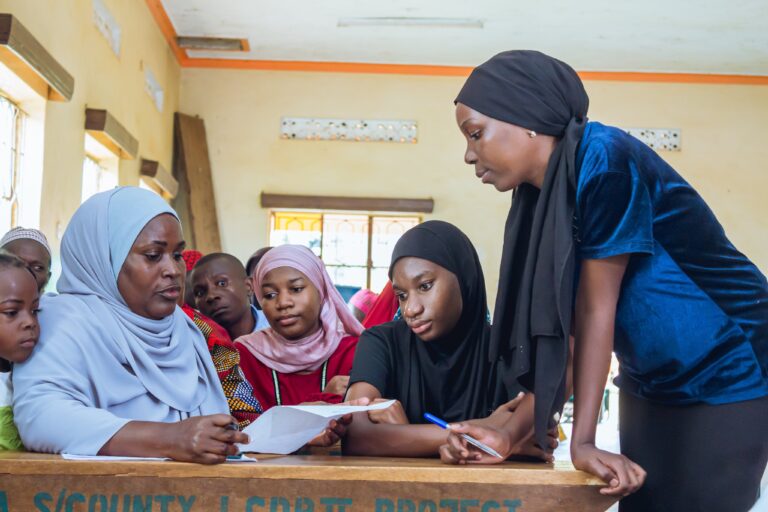
- Build community resilience: Reduce vulnerability to extremist recruitment by empowering at-risk communities through education, livelihoods, and inclusive local dialogue.
- Amplify victims’ voices: Support survivors of ADF violence in advocating for their rights and accessing comprehensive state services that address their physical, psychological, social, and economic needs.

Do you want to help build a fairer, more peaceful world?
Support us with your philanthropic gifts and grants
Partners
Peace Beyond Borders

Prospect is a non-profit peacebuilding and development organisation. It was founded in 2011 by Ndugwa Hassan and Ahmed Hadji after surviving the 2010 terrorist attack on the Kyadondo rugby grounds in Kampala, Uganda. Prospect works directly with both grassroots and larger-scale peacebuilding actors to address the root causes and effects of violent conflicts. Their work focuses mainly on breaking cycles of conflict, promoting healing, mending broken community relationships, fostering justice, and strengthening community defences against violence.

Pole Institute is an action research institute specialising in conflict prevention and resolution. Established in Goma, Pole has been involved in peacebuilding and conflict prevention in the Great Lakes Region in general and in particular in the Democratic Republic of Congo since 1997. To prevent and resolve conflicts, Pole Institute uses as its main tools research, communication, dialogue, advocacy, policy support and capacity building.
Funder
Peace Beyond Borders



Publications + Media
Policy Brief | Putting Communities at the Centre of Preventing Violent Extremism
How can communities be better equipped to prevent violent extremism? Drawing on lessons from the Peace Beyond Borders project in Uganda and the Democratic Republic of the Congo (DRC), this report examines how locally led prevention, cross-border cooperation and stronger relationships between communities and institutions can help address the conditions that make people vulnerable to […]
Progress Report | Peace Beyond Borders Year 1 Report 2025–2026
What does locally led prevention of violent extremism look like in practice? The Peace Beyond Borders Year 1 Progress Report captures the achievements, lessons, and stories of change from our first year of work in the Democratic Republic of the Congo and Uganda. From strengthening community resilience and supporting victims to building local prevention mechanisms […]
Tackling Violent Extremism in Uganda: Lessons Learnt
Lessons Learnt from a Community Resilience Approach Violent extremism (VE) is one of the most pressing challenges of our time, bringing terror and instability to all sections of society. Today, there are fewer terrorist groups, but the nature and scale of attacks carried out by groups like the Allied Democratic Forces in Uganda are becoming […]