In southern Senegal, the people of the Sédhiou region still struggle to make their voices heard, especially girls and women. Too often, young people watch from the sidelines as political decisions are taken far away from their daily realities.
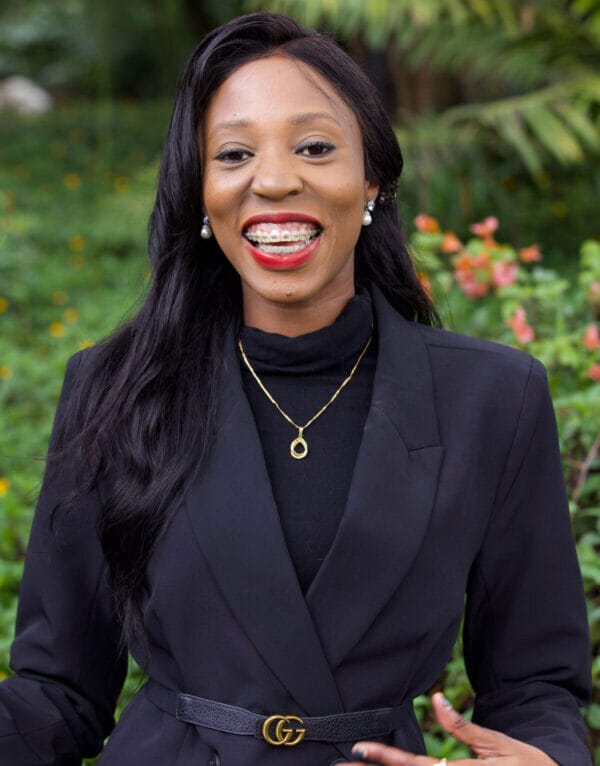
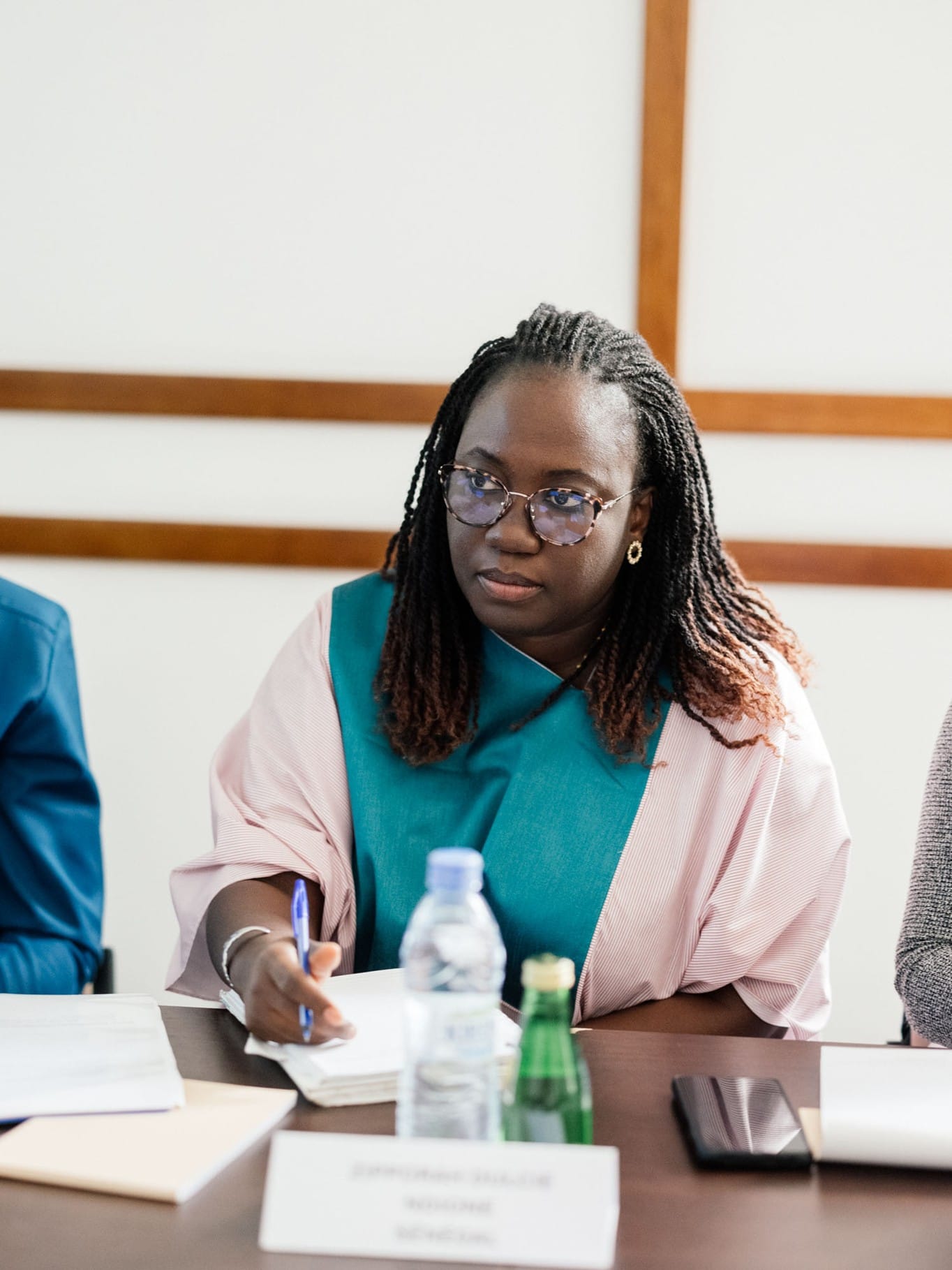
Amid these silences, one voice has risen: that of Zipporah Dulcie Ndione, a lawyer, consultant, and national coordinator of the West African Network of Young Women Leaders (ROAJELF/Senegal). Zipporah is determined to turn resignation into participation.
From Thiès to Sédhiou: the journey of a determined woman
Born in Thiès, Zipporah grew up in an environment where academic success was encouraged, yet where gender inequalities quietly shaped everyday life. Everything changed when she left her hometown to continue her studies in Bambey.
There, she came face to face with the reality that “being a girl is enough to have doors shut in your face.” Excluded from a municipal meeting despite serving as class representative, she understood that she was not being sidelined for lack of competence, but simply because she was a woman.
That shock became a driving force. Her commitment was born of a quiet, deep inner indignation, a desire to change things through action. Years later, she found in ROAJELF the perfect echo of that conviction, promoting women’s expertise as a lever for more inclusive governance.
Accountability Hubs – a catalyst for civic engagement
In 2023, the WYDE Accountability Hubs programme offered Zipporah a springboard to bring her vision to life.
“What I saw in Sédhiou left a mark on me: young people full of motivation, yet without access to information or the necessary tools. We wanted to fill that gap.”
Between July 2024 and January 2025, Zipporah implemented the “Sama Ba Ding” project in Sédhiou, which means “Engaged Youth” in the local Balante language, focusing on transformational leadership, local governance, and civic participation.
“What I saw in Sédhiou left a mark on me: young people full of motivation, yet without access to information or the necessary tools. We wanted to fill that gap,” she explains.
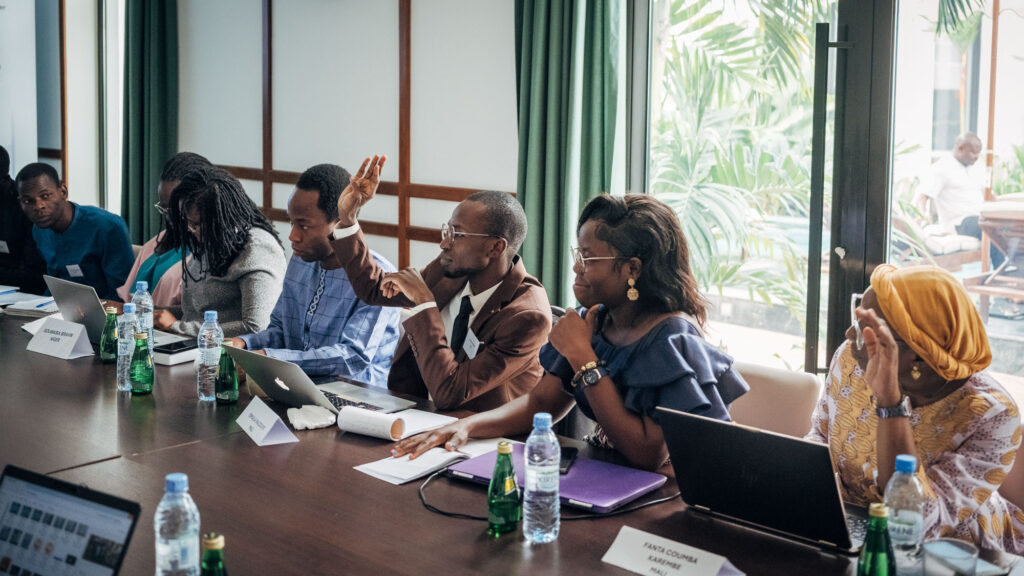
The project brought together 25 young people, mostly women, for practical, hands-on workshops on leadership, governance and civic engagement.
Dialogue and action drivers of change
One of the highlights of the project was a community dialogue that brought together religious leaders, local elected officials, women, and young girls and boys.
The lively, sometimes emotional discussions offered an opportunity to address the social norms that hinder women’s involvement. “We realised that staying silent means letting others speak for us,” a participant shared.
Other activities complemented this momentum:
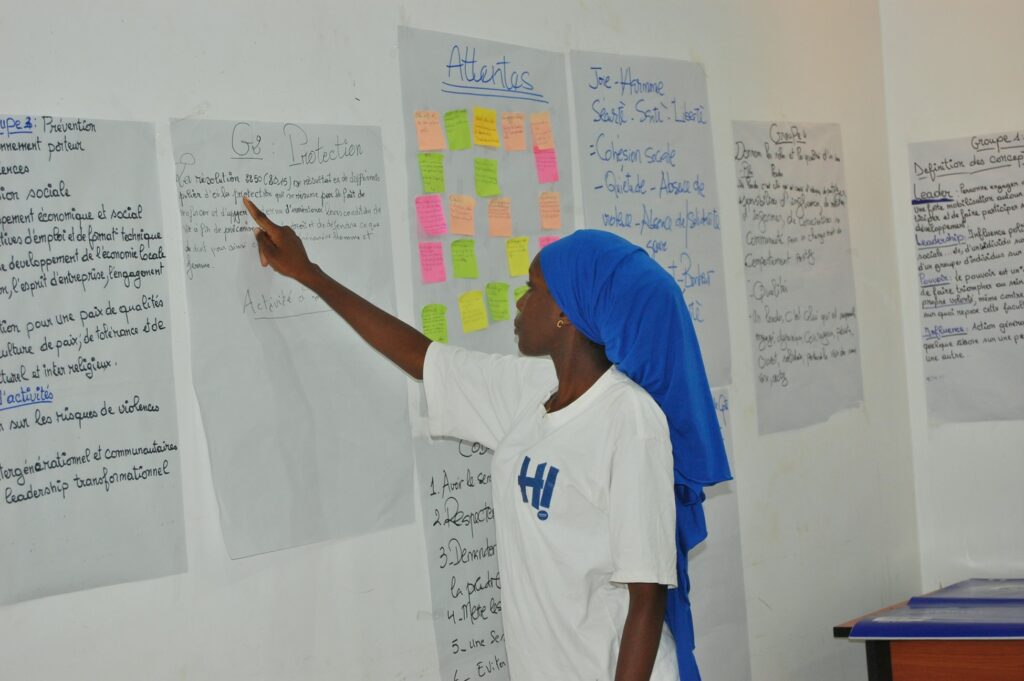
- A co-creation workshop for local governance solutions.
- An advocacy campaign led by the trained youth.
- The production of podcasts and short videos on civic participation.
These initiatives helped embed a culture of dialogue and civic responsibility at the heart of the local youth community.
Signals of Change
To broaden the message’s reach, the team turned to community media. Podcasts broadcast on PAKAO FM gave a voice to local figures, including Aminata Touré, former Prime Minister of Senegal, who shared her journey and the challenges of women’s leadership.
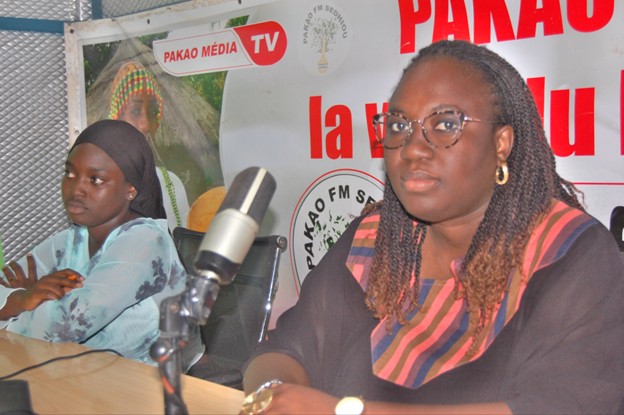
The audience exceeded 1,300 listeners, and responses poured in: parents encouraged their daughters to attend local meetings, and young men joined the awareness campaigns.
“This project gave me the courage to speak on the radio and tell the authorities that we, the youth, want to sit on development committees,” shared Tidiane Sadio, president of the partner organisation Save Aar Fankanto.
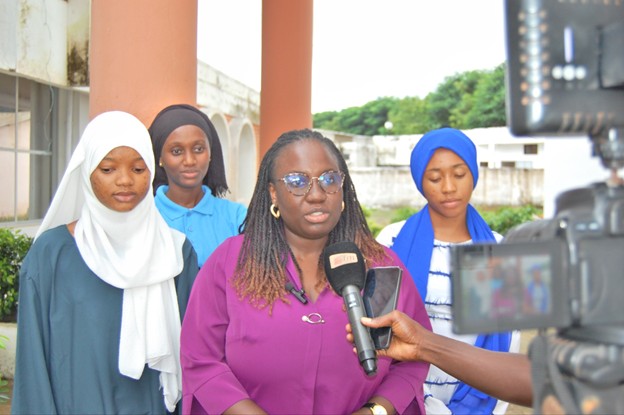
In synergy with the EMPO’WOMEN project, these productions will be integrated into a learning platform dedicated to the economic and civic empowerment of young African women.
In addition, the beneficiaries and participants stay connected through a WhatsApp group, which has become a true network for civic monitoring.
Results that go beyond numbers
For Zipporah, the most important impact lies elsewhere:
“The real result is that these young people now understand they have the right to be present. Before, they waited to be invited. Today, they create their own spaces.”
Her approach, built on trust and proximity, is already inspiring other southern municipalities eager to replicate the model.
But the experience also came with its share of challenges.
With a limited budget, the team had to improvise and rely on partners such as the Youth Advisory Center (CCA), the Departmental Center for Public Education and Sports (CEDEPS), and the Sédhiou town hall to host participants coming from remote areas.
This constraint made her realise the importance of going to communities, even in the most remote villages, and, above all, of valuing their endogenous knowledge.
“Communities often have their own solutions. Our role is to listen to them and create the conditions that allow them to act,” Zipporah concludes.
A future shaped by women
Zipporah remains clear‑sighted: the obstacles persist, and resistance remains. Yet her optimism is contagious. She is already preparing for the next phase, with new decentralised training sessions in rural areas and expansion to other regions.
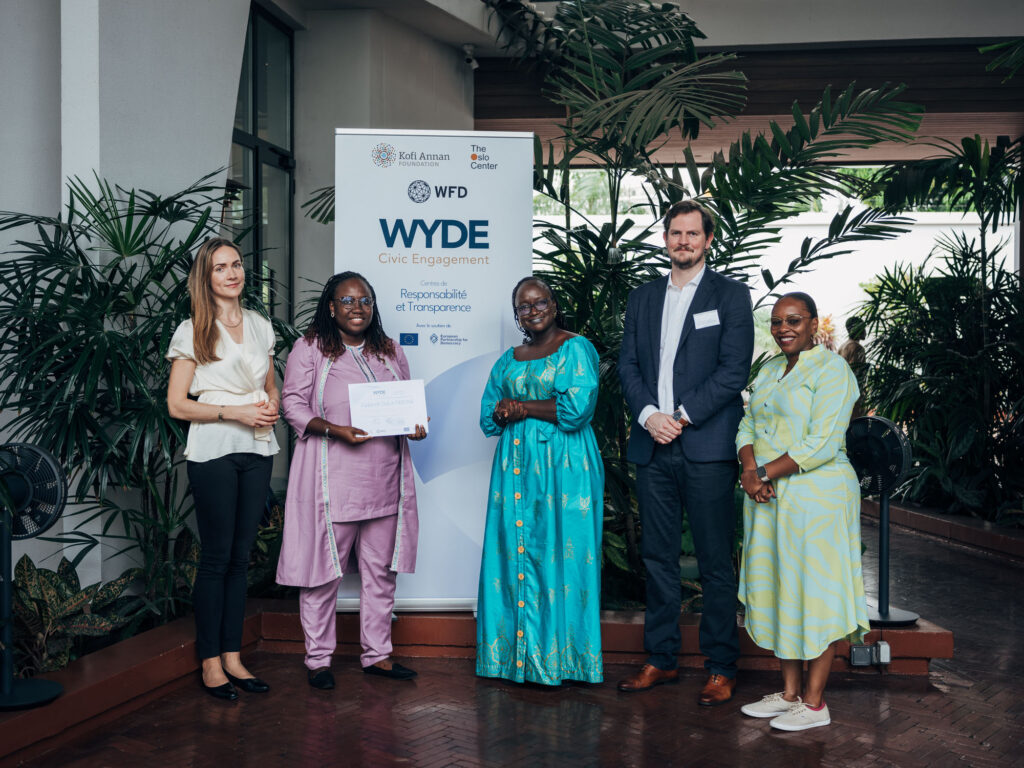
“As long as young women hesitate to speak up, we still have work to do. But each time one dares to speak, an entire system begins to listen.”
In Sédhiou, the “Sama Ba Ding” project has planted a seed: that of active, inclusive, and confident citizenship. And while the expression may not yet have revealed its full meaning, its echo can already be heard in the streets, on the airwaves, and in the hearts of an entire generation that no longer wants to wait its turn to take action.