For years, women and young people in Tanzania have faced exclusion from the country’s political processes. Under-represented in the National Assembly and broader democratic framework, they often encounter barriers to participation, particularly when challenging the ruling party. Deeply ingrained societal norms further marginalise women, creating a culture where their voices are often silenced.
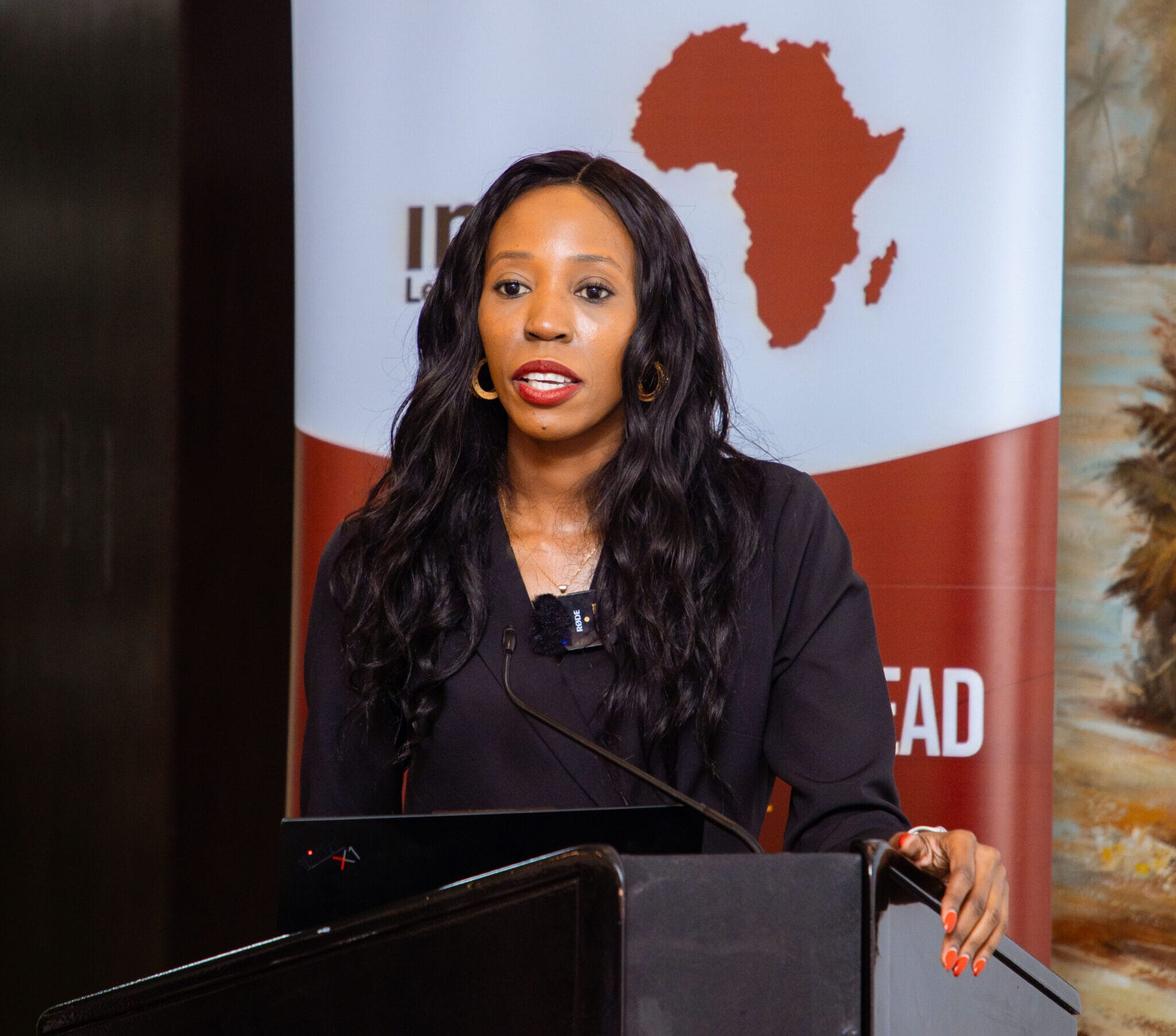
“As a girl, as a woman, you’re raised to be quiet, to be obedient,” says Petrider Paul, a WYDE Accountability Hubs member and member of the Imara Leadership Initiative (ILI). “Even if you face gender-based violence, others will keep quiet and just shy away.”
“How can you be the change when you don’t have the system or frameworks to help you be the change?”
A programme for change
This urgent need for systemic transformation led Petrider to apply to the WYDE Accountability Hubs programme. After completing targeted training and networking activities, participants are equipped to drive grassroots change. For Petrider, this was a pivotal moment to turn her vision into reality.
Strengthening understanding of civil and political rights
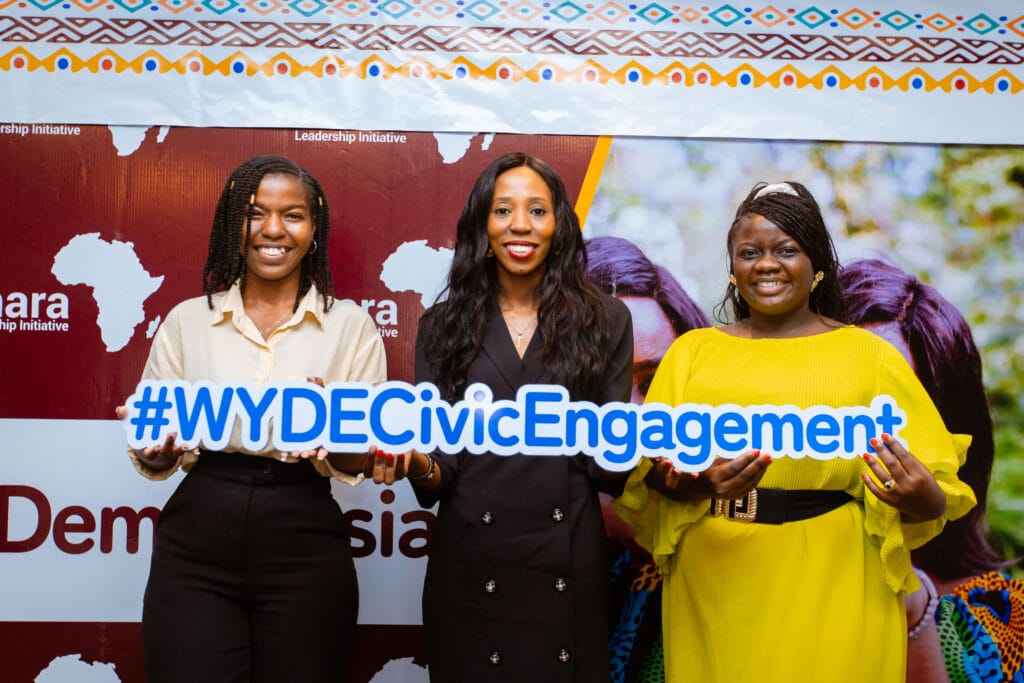
Armed with skills and support from the WYDE programme, Petrider launched the ‘Imara Women and Youth in Siasa Learning Sessions.’ The initiative aimed to educate Tanzanians on their rights and promote greater political engagement among marginalised groups.
“…I noticed that most people didn’t even know their rights.”
“While implementing this project, I noticed that most people didn’t even know their rights,” she explains. “Their rights can be violated, and they think it’s normal. It’s because they don’t have access to information – not because they don’t want it.”
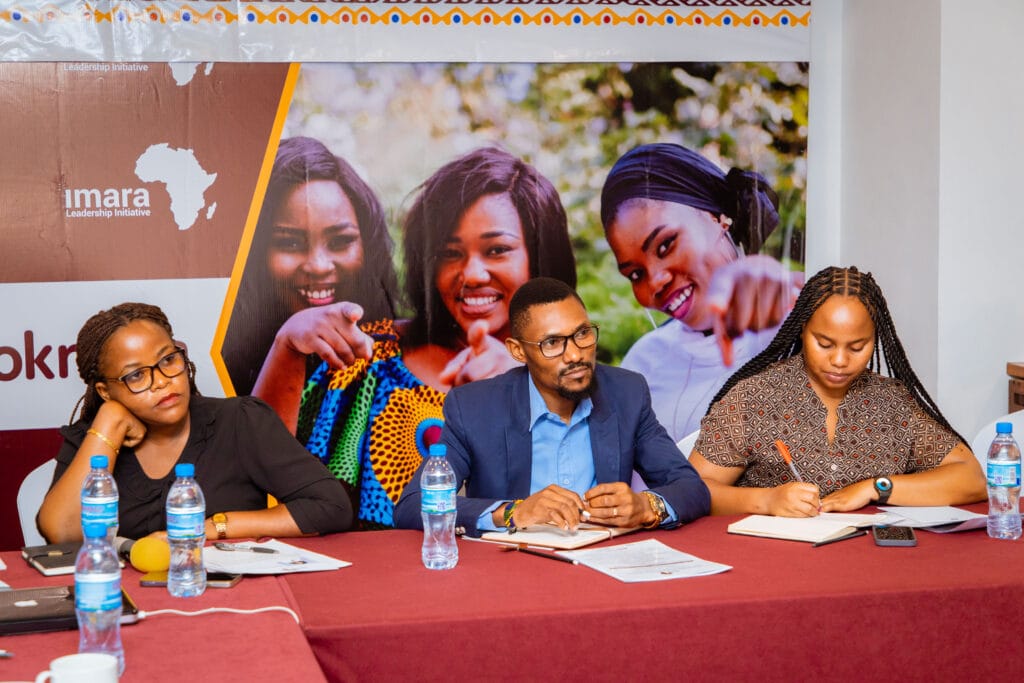
Through a series of webinars and in-person sessions, Petrider’s team tackled three critical challenges:
- Encouraging civic engagement: 61 women and 34 men were trained to counter online abuse and leverage digital platforms for civic participation.
- Combating misinformation: 150 young people received online training on voting, voter registration, and identifying mis- and disinformation during elections.
- Fostering inclusivity: 13 young women and 13 young men participated in in-person sessions on voter rights, accountability, and the prevention of political violence against women.
Building a movement
The impact of Petrider’s work extended far beyond the training sessions. A recording of the webinars reached a broader audience, further spreading the message of empowerment.
National media amplified the project’s visibility, with three newspaper stories, including one front-page feature, highlighting the youth training sessions.
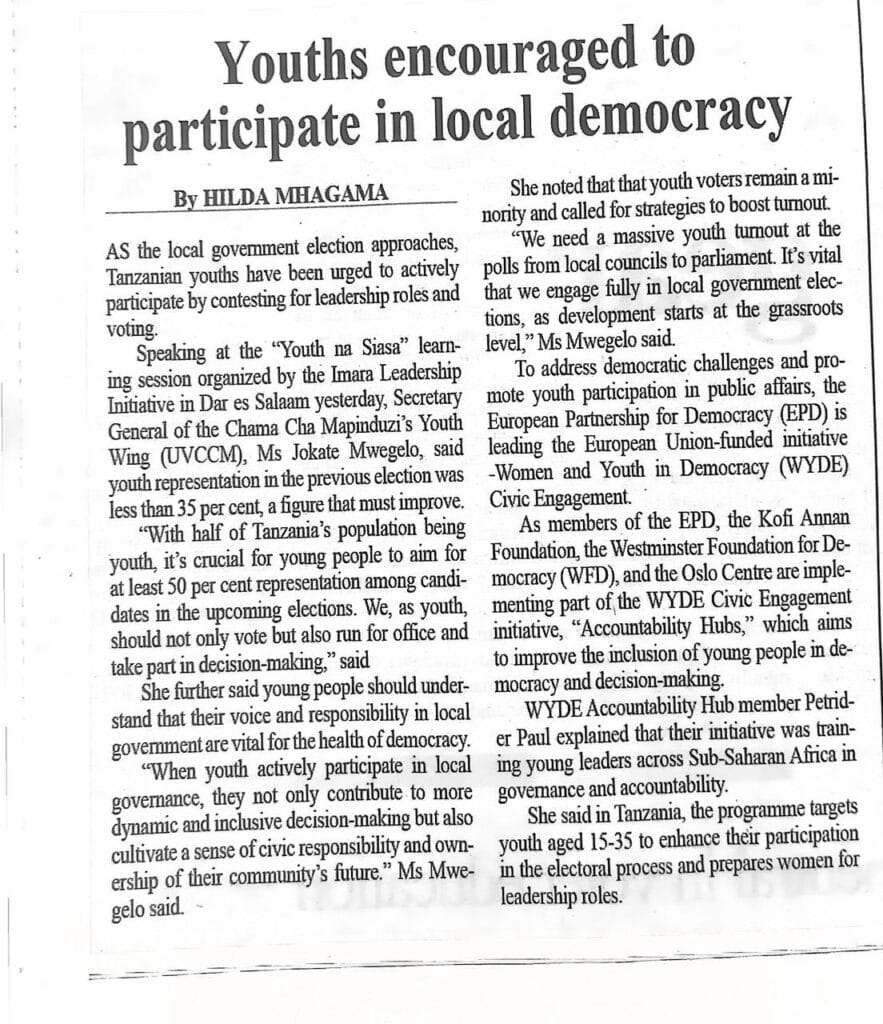
Collaboration with a media company paved the way for future ‘Imara Women and Youth in Siasa Learning Sessions.’
One of the most remarkable outcomes was the establishment of a government advisory committee. “We even had a Secretary-General, appointed by the president, from the ruling party’s youth wing in attendance,” Petrider shares. “Afterwards, she set up a committee to advise her on how the government can engage more women and young people in the upcoming general elections.”
A grassroots approach
For Petrider, a key factor in the project’s success was the flexibility it provided. “Through the Accountability Hubs initiative we were able to implement initiatives in our own country context, even if we needed to localise them,” Petrider explains.
This approach aligns with the Kofi Annan Foundation, Westminster Foundation for Democracy and The Oslo Center’s belief that lasting change must be driven by grassroots efforts, not imposed from above.
Reflecting on the journey, Petrider is both proud and optimistic. “I thought we were a country little prepared for any democratic or human rights conversation. But now, we have the space to have these discussions without fear of criticism.”
“…now, we have the space to have these discussions without fear of criticism.”
Pedrider’s work demonstrates the transformative power of grassroots leadership and the importance of equipping young leaders with the tools they need to drive change. If more women and young people can engage in Tanzania’s political processes, the future looks brighter for a more inclusive and democratic society.