In Malawi, young people face a persistent political challenge: they are welcomed during campaign periods but largely excluded from meaningful political participation once elections are over.
80% of the population is under the age of 35, yet they encounter substantial barriers when attempting to stand as political candidates, from a lack of training and resources to prohibitive electoral fees.
In the 2019 general elections, only 2.76% of youth under 35 were elected as members of parliament and 29% as ward councillors. This systemic exclusion has left a generation of potential leaders on the sidelines, unable to shape the future of their country.
From margins to movement
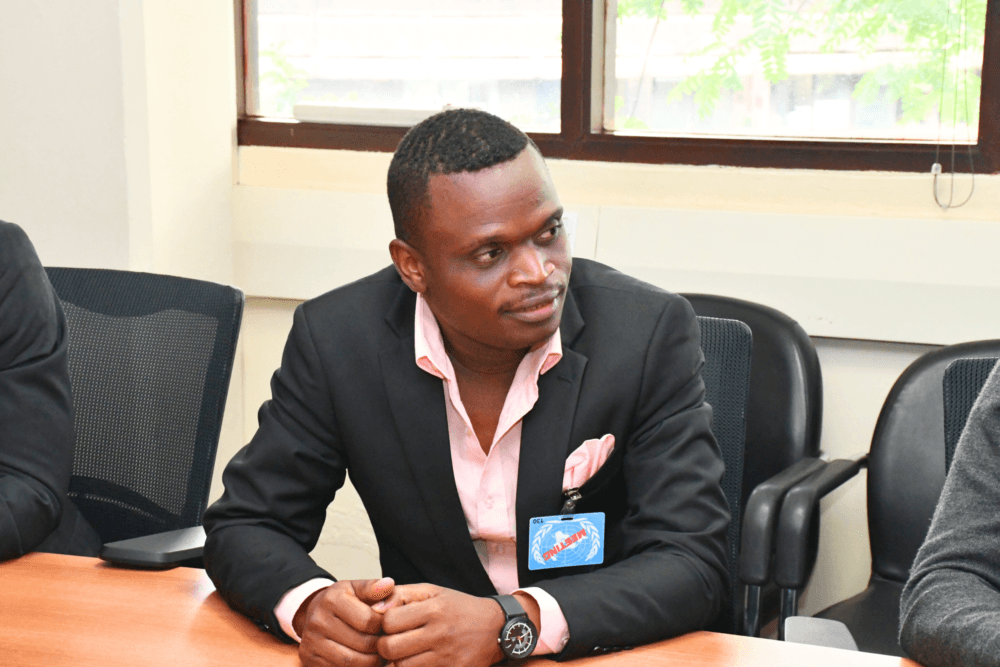
Raymundo Magangani‘s journey into youth political empowerment was born from lived experience. As a youth wing president of one of Malawi’s major political parties, he witnessed firsthand how young people were sidelined after elections.
“Young people’s involvement in politics is limited to the campaign period. After that, young people are no longer needed.”
This realisation sparked a mission. Raymundo founded the Malawian National Youth in Politics (MNYIP) platform, bringing together young people from across different political parties with one unified purpose: nurturing the next generation of leaders.
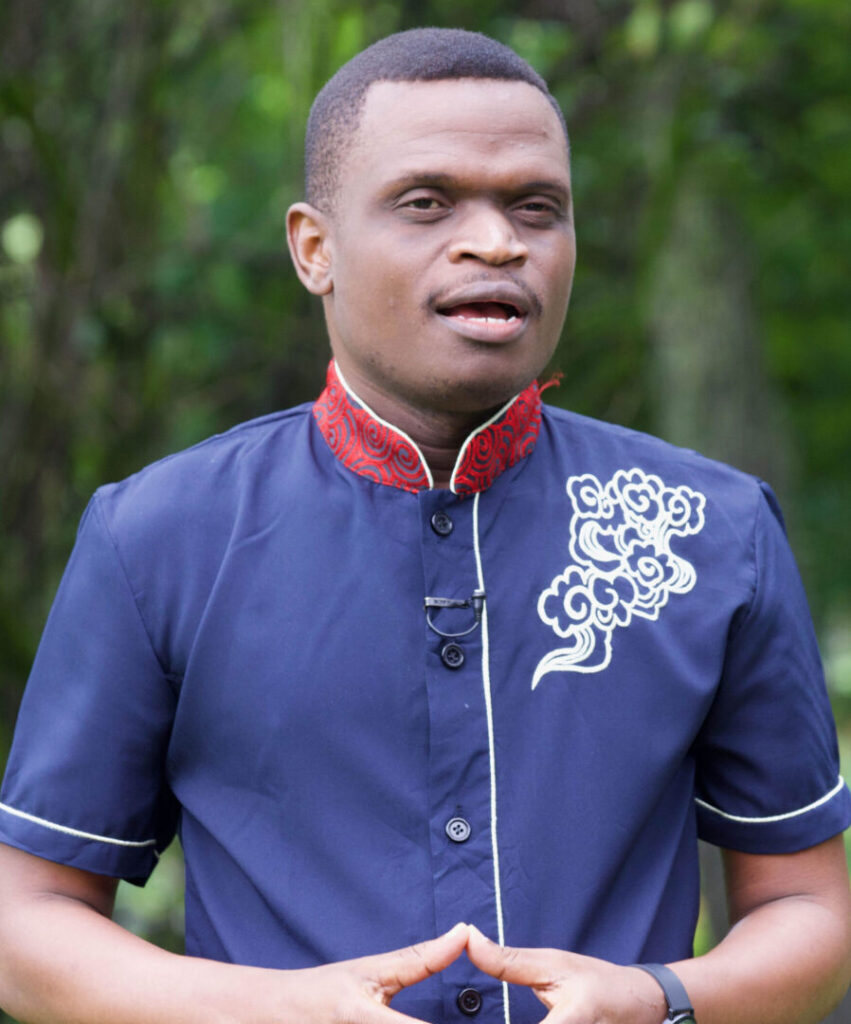
“Our motto is “shaping the future today” because there is a saying which says, ‘Young people are tomorrow’s leaders,’ but there’s no platform for those leaders to be nurtured. So we came to bridge the gap.”
The platform’s ambition was national, but practical constraints led them to start locally. “We wanted to do this in the whole of Malawi, but because of limited resources, we started with Mzuzu,” Raymundo shares. The strategy was deliberate: learn from the Mzuzu experience, refine the approach, and then scale across the country.
The tools for change
With training and seed-grant support from WYDE Accountability Hubs, Raymundo launched a youth-led political leadership training programme in the city of Mzuzu.
The programme’s emphasis on youth-led solutions and grassroots engagement aligned perfectly with Raymundo’s vision of empowering young people to design their own political futures. The project design component was one of the most useful elements of the Accountability programme. It helped Raymundo design a youth-centred project that was not based solely on his assumptions but was inclusive and participatory.
Creating momentum for young people in politics
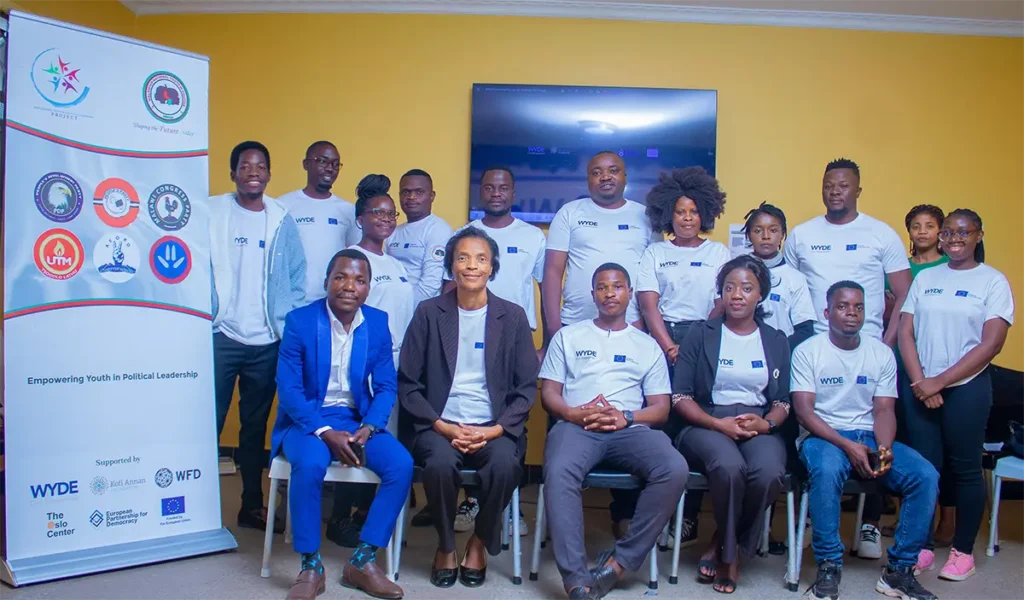
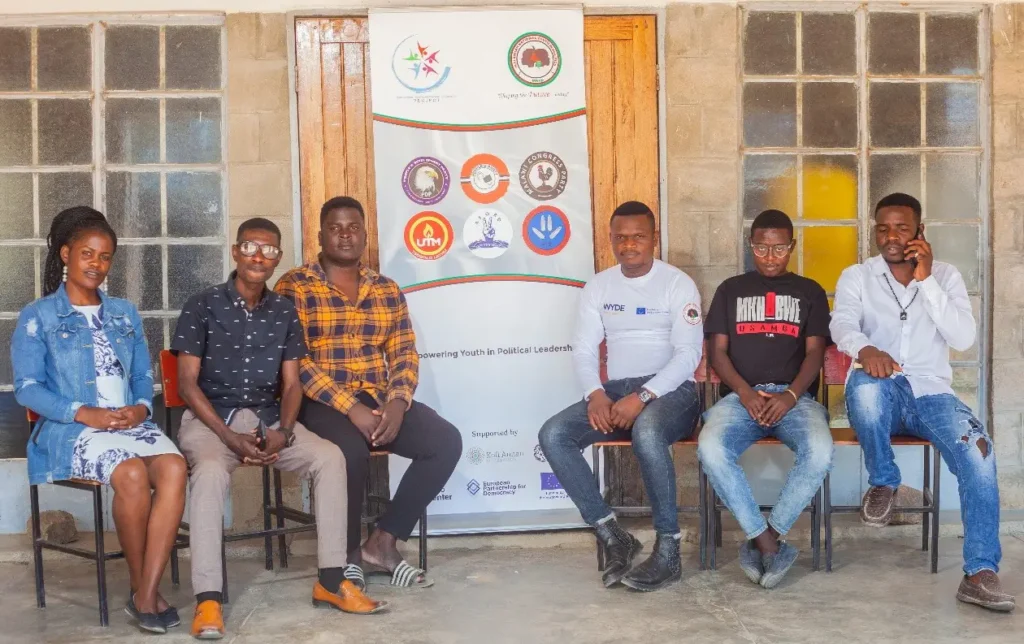
The “Empowering Mzuzu Youth in Political Leadership” project targeted first-time political candidates aged 18-35 in Mzuzu and surrounding areas, equipping them with the skills needed to compete in Malawi’s 2025 general elections.
Through hands-on training led by three expert facilitators, aspiring young leaders gained practical skills in electoral law, campaign strategy, policy development, media engagement, and democratic governance. Participants learned how to navigate the legal requirements of elections, craft compelling messages, mobilise voters through grassroots organising, and use social media to increase visibility and connect with their communities.
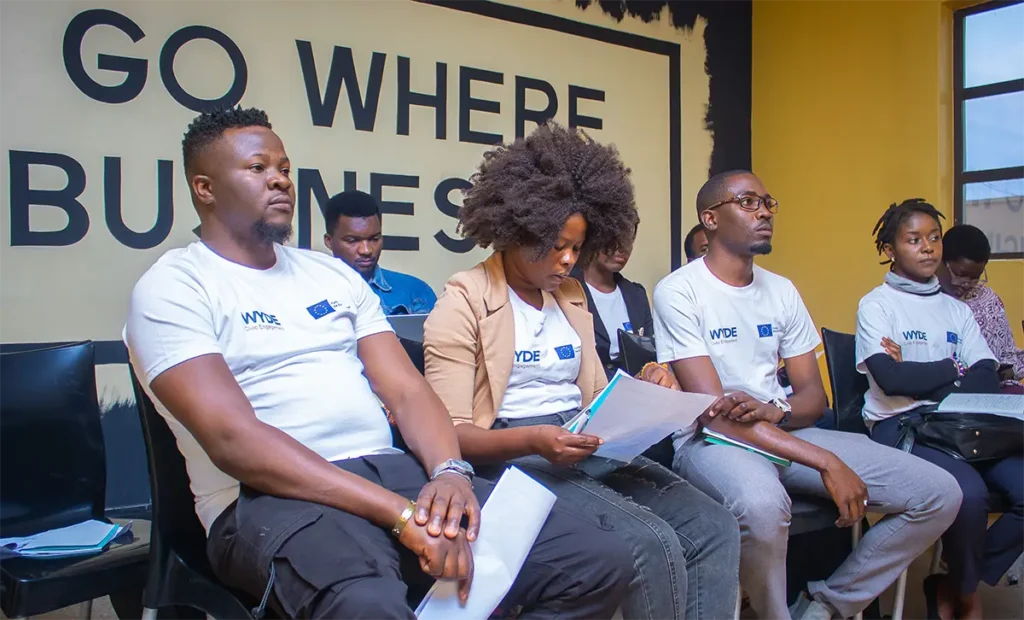
The project partnered strategically with political youth wings, leveraging their existing structures to reach members across parties. Media partnerships amplified the initiative’s message, with Times Television conducting interviews and state-owned television proposing ongoing collaborations on youth and politics programming.
Beyond in-person training, the team secured support from the Digital Action Lab of CIVICUS World Alliance to develop a WhatsApp chatbot. This digital tool makes training modules accessible to the 31% of Malawians who use WhatsApp. Recognising existing connectivity barriers, the team is still working to deliver complementary in-person capacity-building services for participants without reliable internet access.
When training turns ambition into action
The project generated tangible results, with several trained participants actively engaging in the 2025 electoral process as ward councillors and aspiring members of parliament. One participant had nearly given up on her political ambitions before the training.
“She told me that she has given up on standing as a political candidate. But after the training, she called me in the evening and said, ‘I think I’m ready. I’ll stand as a ward councillor,’” Raymundo recalls. “It’s like the training has given her the tools she needed, especially on the campaign part.”
Another participant, Salima, was inspired to contest for a seat in parliament and began actively engaging with constituents. Though he ultimately couldn’t raise the 1,250,000 Malawian Kwacha (approximately £570) registration fee required by the Malawi Electoral Commission, his experience highlighted an important barrier. “I came to understand that these kinds of fees and other resources, which are needed, are also part of the hindrances for young people to stay active in political leadership,” Raymundo notes.
The ripple effects extended beyond individual candidates.
“When you invest in young people, you have a multiplier effect because if one young person is assisted, they assist other 10 young people”
The project attracted interest from young people across Malawi, who requested similar initiatives in their home districts, demonstrating a hunger for support for political empowerment.
Impact, insights, and the road ahead
The project’s success stemmed from several key factors: inclusive design that fostered participants’ ownership, strategic partnerships that amplified its reach, and a focus on practical skills that directly addressed young people’s expressed needs.
Challenges revealed systemic barriers that training alone cannot overcome, particularly financial obstacles that prevent qualified young candidates from accessing the ballot. This insight is shaping future advocacy work.
Looking ahead, Raymundo’s vision is ambitious.
“Our next step is to scale up. We want to expand the Empowering Mzuzu Youth in Political Leadership model to other regions in Malawi.”
The team is also seeking formal recognition from the Malawian government to establish the platform as a nationally recognised space for nurturing informed leaders.
The digital-physical hybrid model—combining WhatsApp chatbot training with in-person capacity building—offers a scalable template for reaching young people across Malawi’s diverse connectivity landscape.
Democracy in action today
“Investing in young people is not a charity. It is an investment that can change societies. And this is how we build long-lasting impact.”
From his own experience of exclusion as a youth wing president to building a cross-party platform that’s preparing first-time candidates for electoral success, Raymundo embodies the change he seeks to create: young people not as tomorrow’s leaders, but as today’s architects of Malawi’s democratic future.