In Goma, the capital of North Kivu, trust between citizens and local institutions has slowly eroded over the years. Young people, disillusioned by corruption, poor governance, and social exclusion, have come to feel that their voices no longer matter, that their words carry too little weight in the very decisions shaping their daily lives.
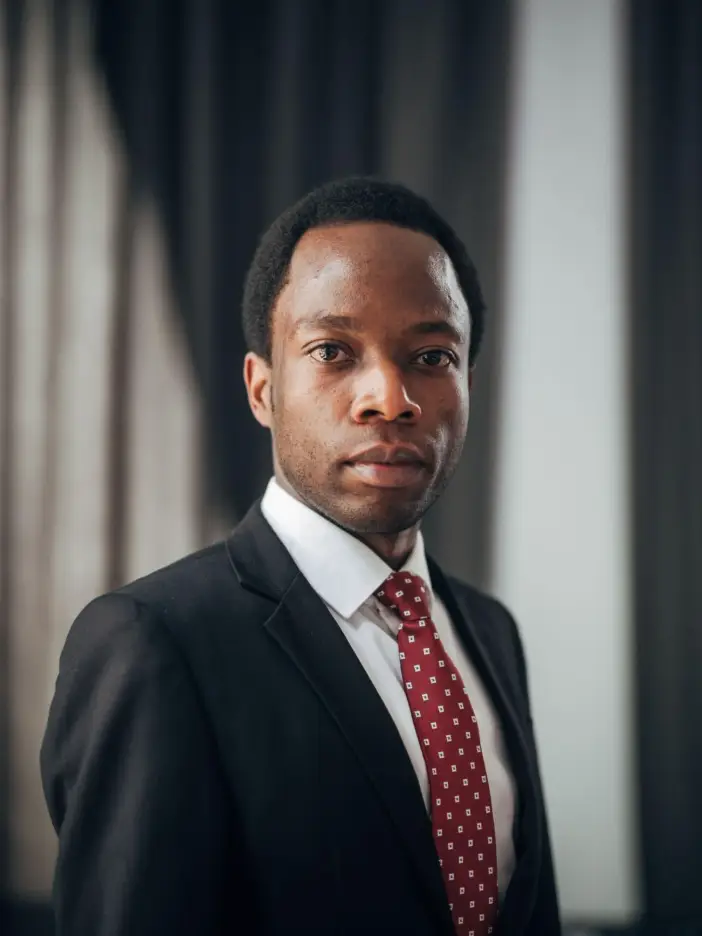
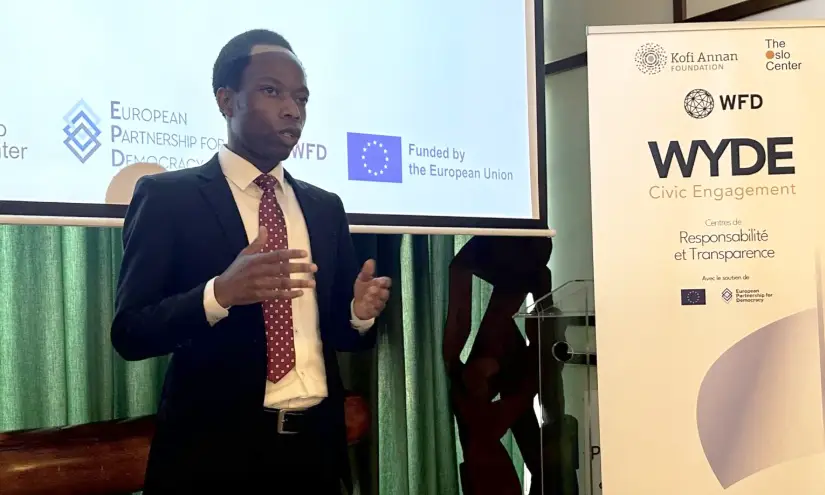
Having witnessed the everyday frustrations of his peers in Goma, Héritier Mumbere Sivihwa decided he could no longer stand by as a mere observer. Using technology as his tool, he aims to amplify public voices, strengthen accountability, and rebuild the connection between institutions and the people.
From observation to action
Engaged for the past thirteen years in youth associations in Goma, Héritier watched with growing concern as frustrations piled up: lack of transparency in public management, promises left unfulfilled, and no real mechanisms to capture citizens’ voices.
Héritier was already leading local initiatives, including awareness campaigns, community debates, and occasional civic actions, but he felt the system’s limits and dreamed of making a broader impact.
In 2024, a new horizon opened up for him when, after a rigorous selection process, he joined the WYDE Accountability Hubs programme. “Thanks to the programme, I learned how to structure my ideas and turn indignation into action,” Héritier reflects.
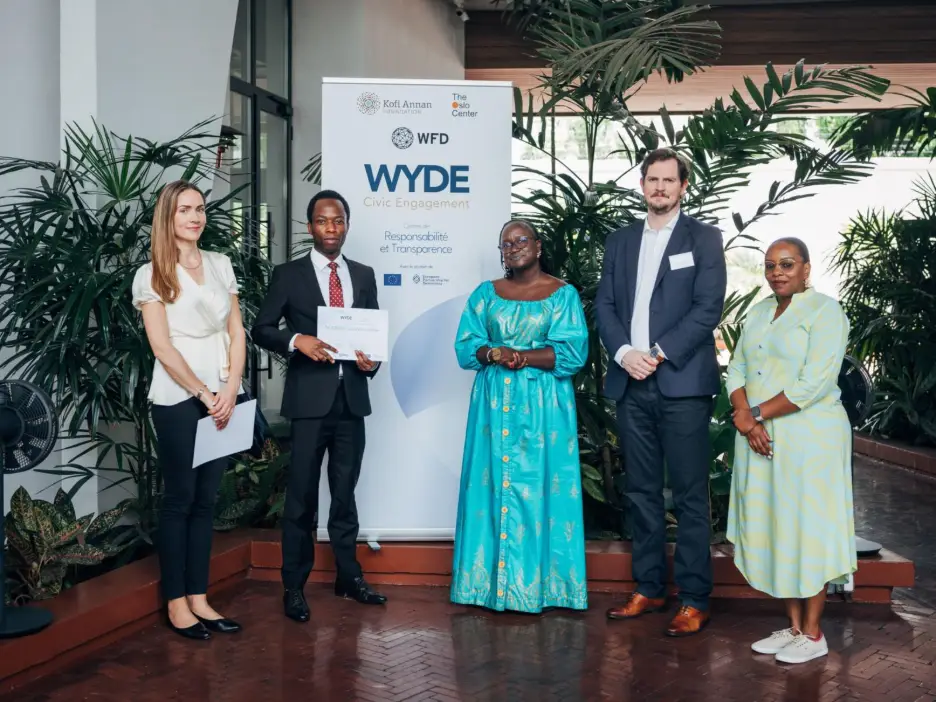
Photo credit: Kofi Annan Foundation
The experience unlocked new possibilities. Trained in ethical leadership, participatory governance, and citizen project management, he developed a simple yet ambitious idea: to harness technology in the service of public accountability.
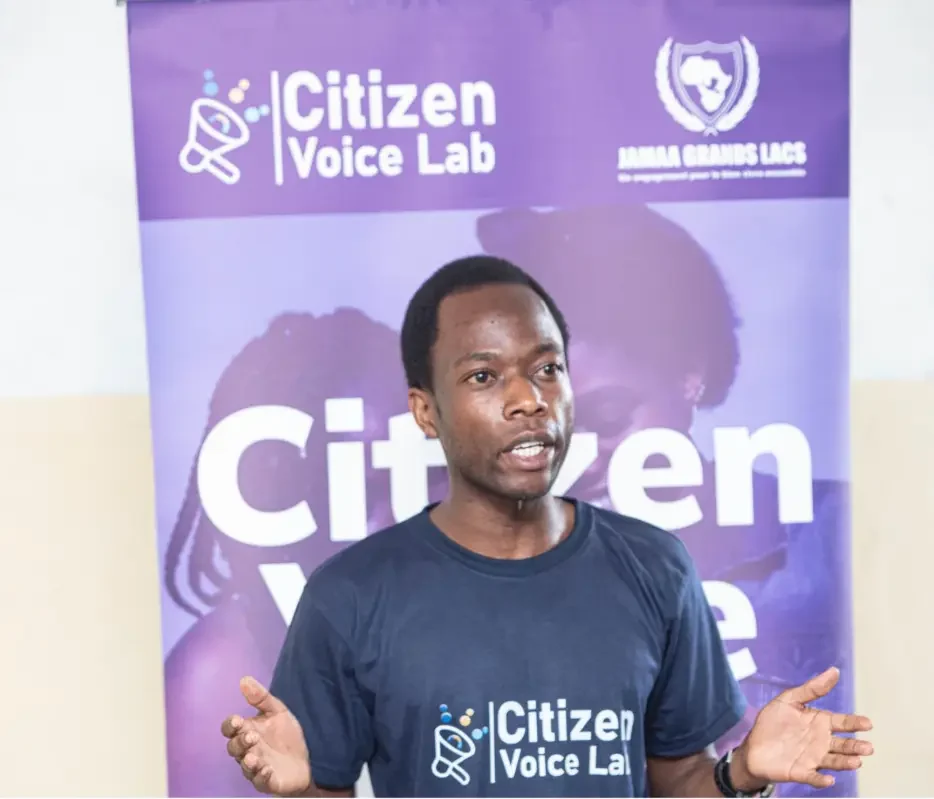
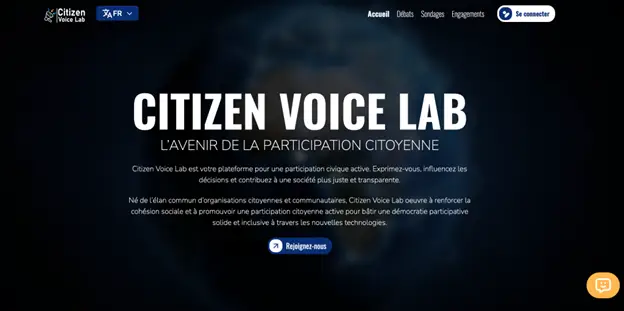
With a few young people from his network who shared his passion for coding and civic innovation, he launched Citizen Voice Lab, an open platform that allows users to report local issues, track public decisions, and engage directly with authorities. The goal is clear: to create a space where every voice matters and where transparency becomes the norm rather than the exception.
“If institutions don’t reach out to citizens, then it’s up to us to reach out to them. And digital tools can serve as a bridge to rebuild that connection.”
In Goma, the initiative gradually brought together young people who are eager to learn and share, including 700 young women and representatives from local associations. Together, they helped co-create the platform’s content and features, ensuring it was firmly grounded in the community’s real needs.
Citizen Voice Lab: Making citizen voices count
The platform’s launch quickly sparked an unexpected wave of excitement. Across Goma’s neighbourhoods, young people began using the tool to report concrete problems, such as damaged roads, power outages, and irregularities in the management of community funds. Within just a few weeks, feedback started pouring in, and in some cases, even caught the attention of local authorities.
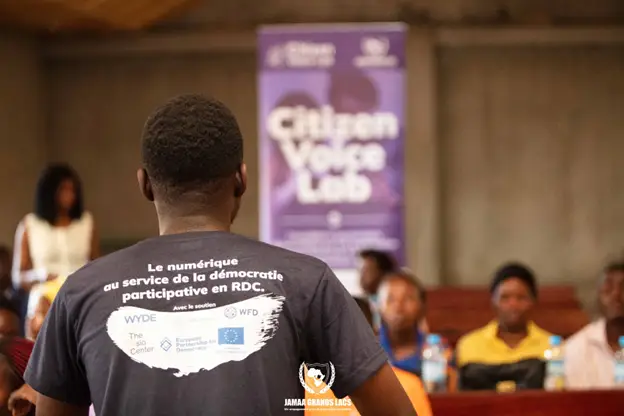
“We never imagined we would be heard so quickly. Thanks to the platform, we can finally document what’s wrong, fearlessly and with evidence,” said one participant during a training workshop.
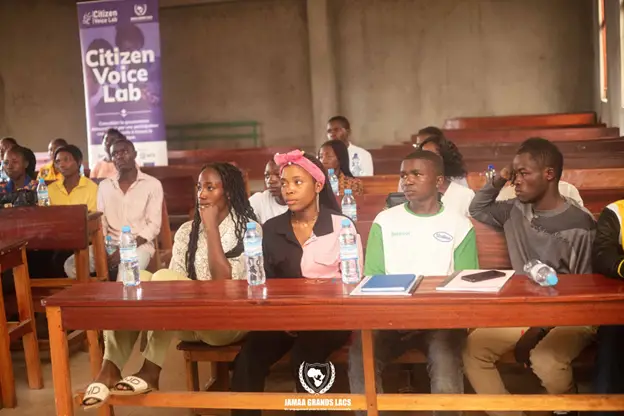
Photo credit: Jamaa Grands Lacs / Citizen Voice Lab.
For Héritier, these responses confirmed his initial intuition: when used wisely, digital tools can become a powerful lever for participatory governance. The platform then evolved into a true citizen laboratory, combining community monitoring, advocacy, and training.
Training, mobilising, and connecting citizens
Alongside the development of Citizen Voice Lab, Héritier launched a series of capacity-building workshops.
This training aims to equip young people with the skills to collect, verify, and share information of public interest, while fostering constructive dialogue between institutions and citizens.
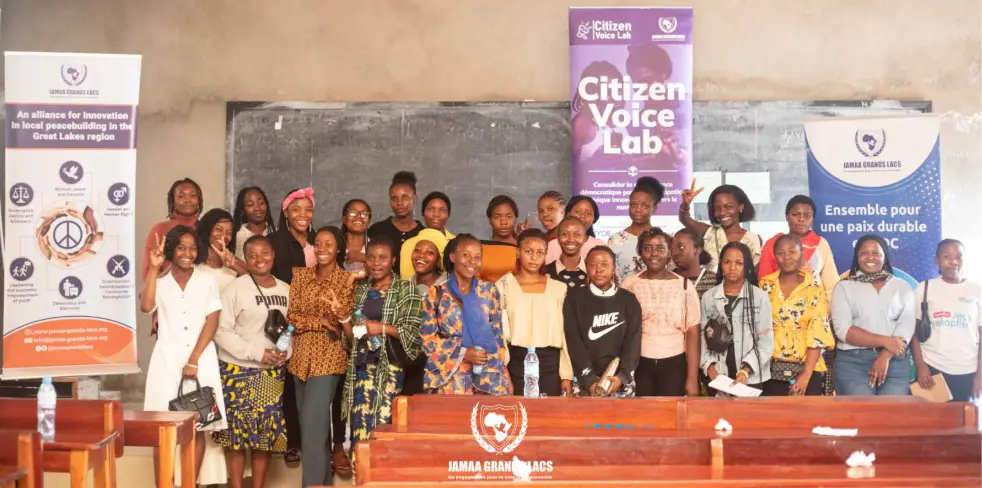
The training has also helped shift young people’s perceptions of governance: reaching a total of 2,724 participants, who now understand that monitoring public action is not only a right but also a responsibility.
For Heritier, this awareness is crucial. “We’ve shown that you can hold authorities accountable without confrontation. When citizens participate, transparency becomes a habit.”
These sessions have thus become genuine spaces for dialogue between citizens, journalists, and municipal officials, where trust is rebuilt step by step.
“Transparency isn’t something you mandate, rather it is something you practice.”
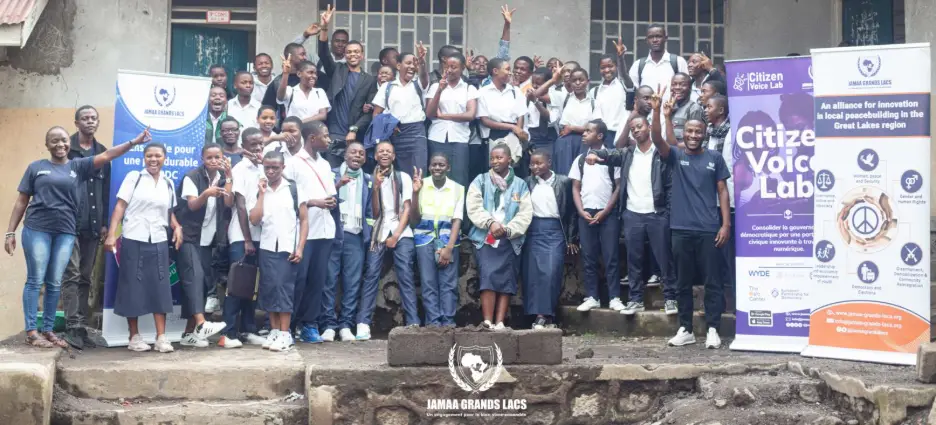
Moreover, these exchanges have led to unprecedented collaborations: some municipal councillors now respond directly to reports submitted on the platform, while community radio stations broadcast programs inspired by the citizen alerts received.
Gradually, the initiative echoed beyond Heritier’s city. Young people from other provinces in North Kivu, and later from South Kivu and Ituri, have reached out to the team to replicate the experience.
A lasting personal and collective impact
For Héritier, the experience goes far beyond the digital realm: it has transformed his vision of leadership.
“Before, I thought changing things meant calling out problems. Today, I know that true change comes from building solutions.”
Through Citizen Voice Lab, Héritier has gained credibility and influence with both local institutions and civil society organisations. The project has opened new doors: he is now frequently invited to train other young leaders in open governance and digital advocacy.
His involvement in the Accountability Hubs programme also gives him access to mentorship from regional experts and technical support to strengthen the platform’s security and accessibility. This support has reinforced the project’s sustainability and bolstered partners’ trust.
Gradually, Citizen Voice Lab has become a model for citizen participation in a context often marked by mistrust and social tensions.
Towards inclusive digital citizenship
Building on this experience, Héritier now aims to expand Citizen Voice Lab to other provinces of the Democratic Republic of Congo and to create a network of digital transparency ambassadors.
“This project gave me confidence in my own voice, but more importantly in the voices of others. Every time a young person dares to speak, it’s an entire system that begins to listen.”
For him, the next step is clear: to build an ecosystem of open, inclusive governance where every citizen, including those in the most remote areas, can contribute to improving public management. With the support of local organisations and youth trained by Citizen Voice Lab, he is working to adapt digital tools to on-the-ground realities, ensuring greater inclusion of women and marginalised youth.
For now, in Goma, his project has opened a window of hope: a vision of youth no longer subjected to governance but actively co-creating it.