In Kwale County, Kenya, young women’s voices have been largely absent from the public consultations that shape county budgets and determine the quality and delivery of community services.
While government-sponsored education programmes and other public services directly benefit young women, many remain unaware that these opportunities originated from community participation in budget-making processes. This disconnect has meant that young women have had little say in shaping the very services they depend upon for education, healthcare, employment, and social support.
Recognising the missing voices at the table
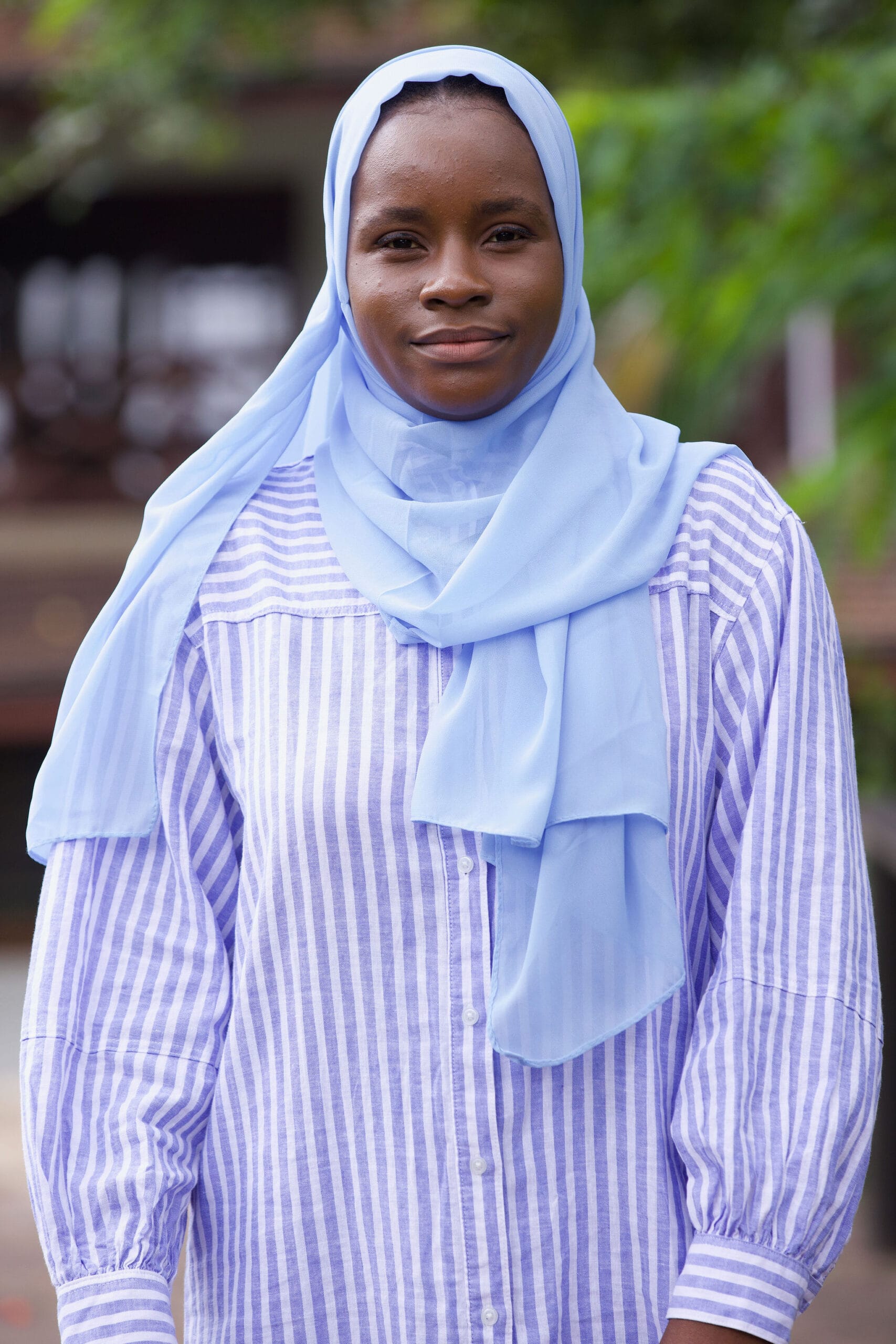
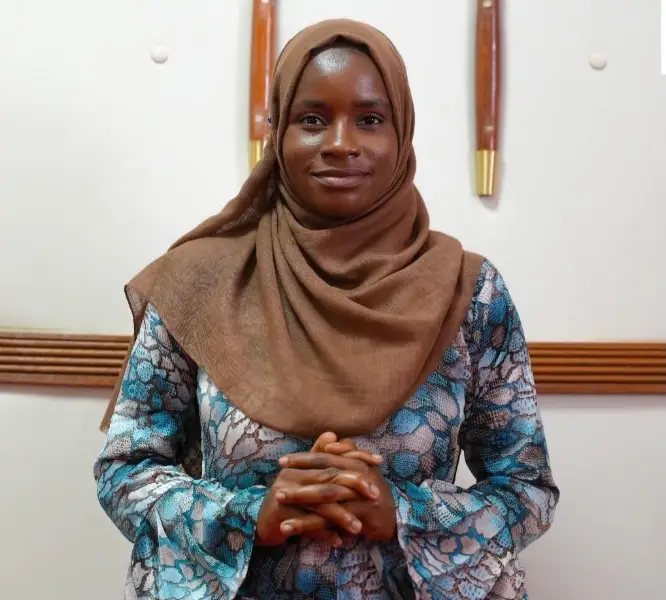
Mdodze Mealii Swazuri’s awakening to this came through a conversation with a friend who had received a government scholarship for university. When Mealii asked whether her friend attended public consultations, the answer was a simple “no.”
More striking was the revelation that her friend had no idea her scholarship existed because community members had proposed it through public participation, debated it through the county assembly, and secured budget allocation for it.
“I realised that even as young women or as youth, there are services that we are enjoying at the community that we did not participate in shaping.”
This moment confirmed a pattern Mealii had observed at public consultations in her ward: few young women were present, and those who were simply would not speak. She knew that young women needed greater say in shaping the services aimed at them, and from this realisation, the Young Women at the Table project was born.
Training and networking for change
The Young Women at the Table project was supported by the WYDE Accountability Hubs programme, which provided mentorship, a seed grant and comprehensive training for young African leaders like Mealii.
Mealii found the capacity-building sessions and the opportunity to learn from the experiences of diverse speakers highly valuable. She learned to design projects, conduct context analyses, and assess stakeholder dynamics. The in-person training, which brought together young African leaders from across the continent, also created a valuable space for peer learning and experience sharing.
“I realised that, despite coming from different regions, many of the challenges facing youth are similar. Innovations that work in Uganda, for example, could also be successfully adapted in Kenya.”
Building skills for meaningful participation
Implemented in Waa-Ng’ombeni Ward – one of 20 wards in Kwale County – the Young Women at the Table project deliberately targeted vulnerable young women who had never previously participated in community projects.
For many participants, this was their first time taking part in civic activities; some had not completed secondary education, many were unemployed, and others relied on small businesses for income. “I feel like we really targeted the women we wanted to target,” Mealii says, adding that their level of commitment was “truly inspiring.”
“I feel like we really targeted the women we wanted to target,” Mealii says, adding that their level of commitment was “truly inspiring.”
Through the project’s capacity-building activities, young women gained a strong understanding of the budget-making process, including how to navigate key budget documents across the budget calendar.
They learned when and how public participation occurs at different stages—such as the Annual Development Plan, the County Fiscal Strategy Paper, and Member of County Assembly (MCA) validation meetings—enabling them to prepare effectively and engage with confidence. With expert support, participants also strengthened their budget analysis skills, enabling them to prioritise their needs and align them with county and national government priorities for each financial year.
This alignment increased their bargaining power, making it easier for their proposals to be adopted and funded, ultimately improving access to quality public services.
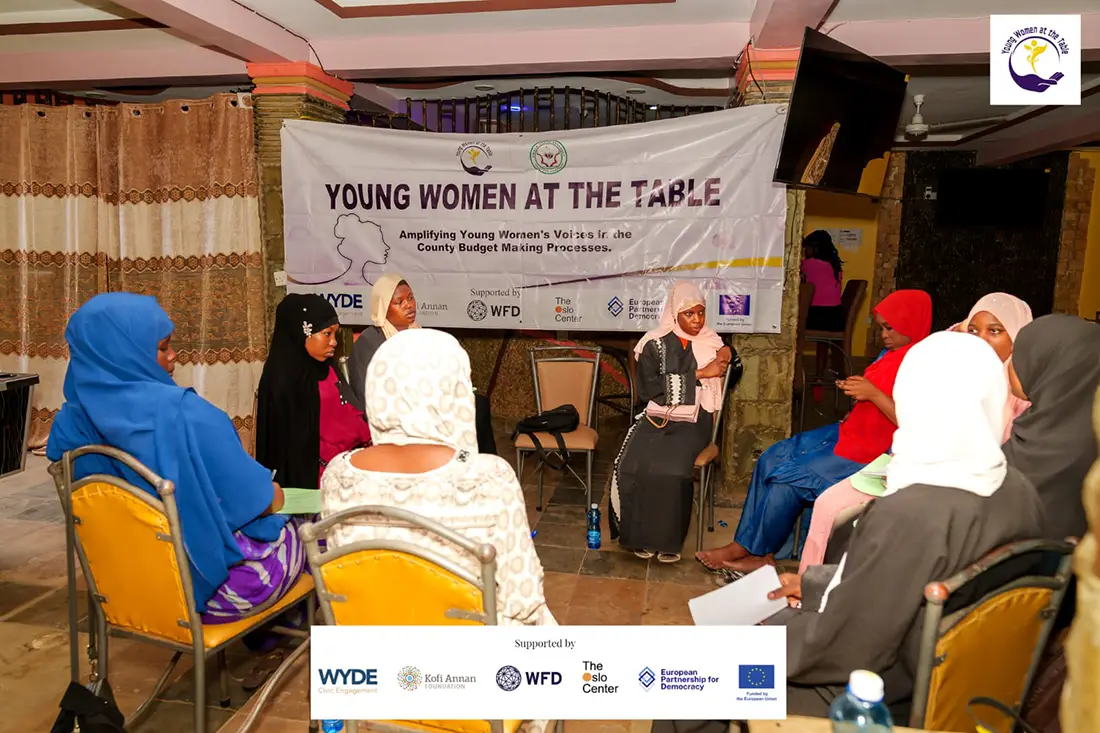
Photo credit: Mdodze Mealii Swazuri
Making participation meaningful
The project has led to a noticeable increase in women’s participation in public consultations. Targeted community meetings (barazas) held exclusively with women helped raise awareness of these processes and the importance of their voices being heard. As a result, more women are now attending consultations, and not just listening, but actively speaking out.
Over time, this growing engagement is helping government actors recognise a strong, organised constituency advocating for the meaningful involvement of young women and young people in county decision-making.
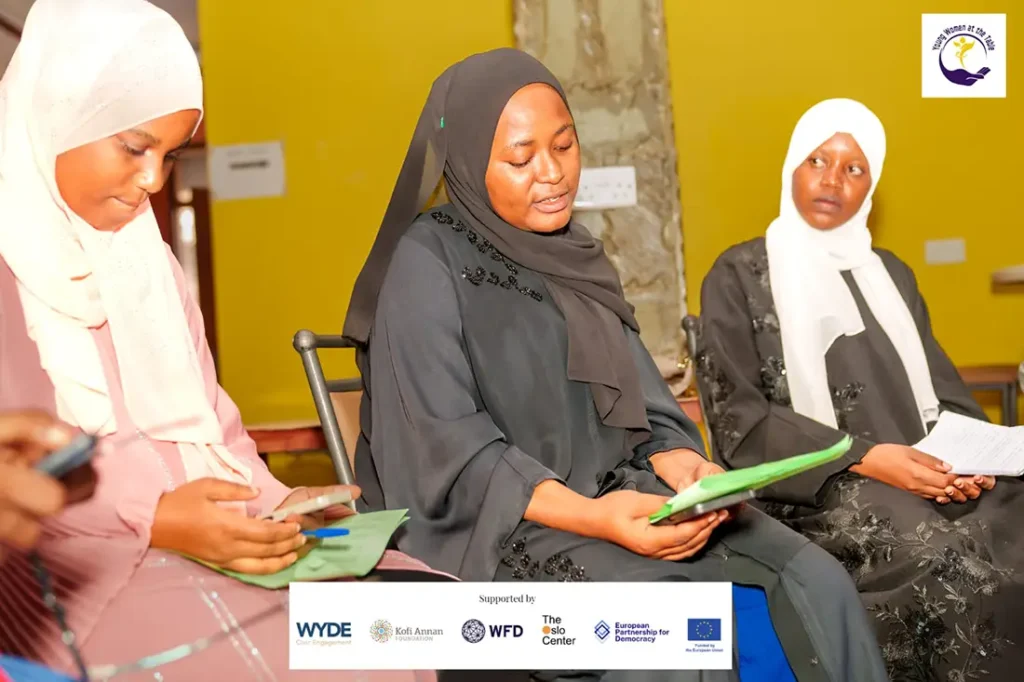
Photo credit: Young Women at the Table
During the training, moments of realisation stood out. Participants actively asked questions and began connecting the dots: “Oh, this is what we’re supposed to do—why haven’t we been doing this? We just didn’t know.”
One of the project’s proudest achievements was the submission of the ward’s first-ever memorandum for young women, with recommendations developed directly by the young women themselves, based on community challenges and their lived experiences.
As Mealii notes, this process significantly amplified young women’s voices and increased awareness of the importance of their participation—laying the groundwork for stronger engagement and improved public service delivery for the wider community.
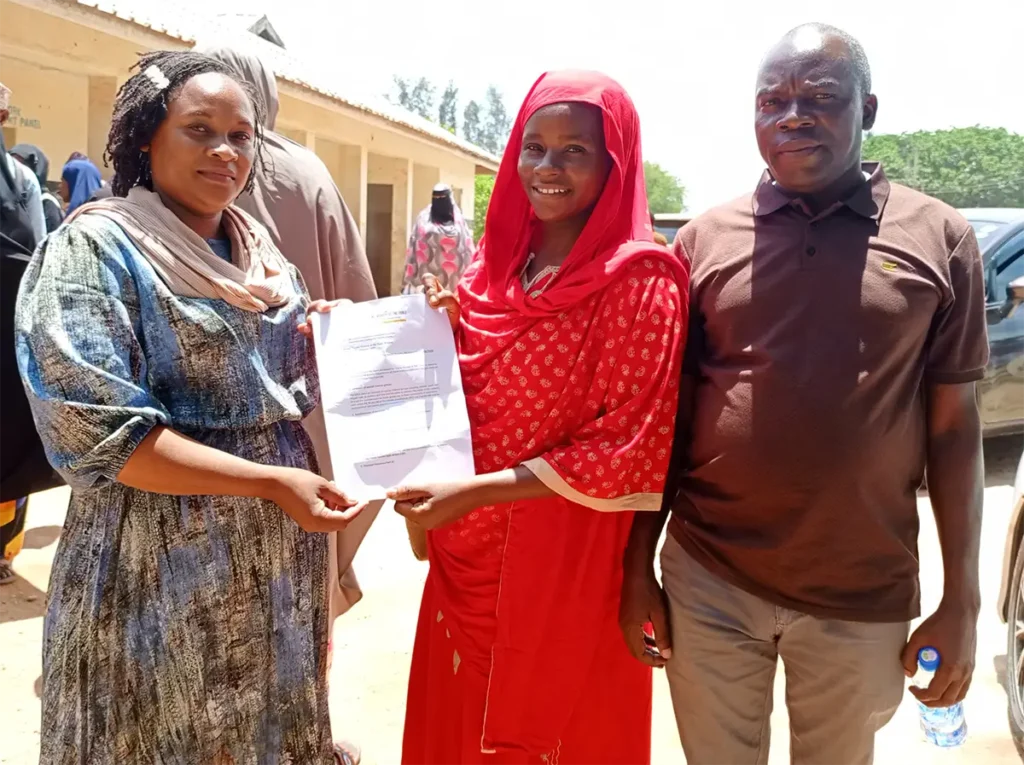
Photo credit: Mdodze Mealii Swazuri
Scaling impact and deepening engagement
The project revealed both the immense potential and the remaining challenges in amplifying young women’s voices in governance.
Looking ahead, Mealii sees significant potential to build on the project’s success—starting with scaling capacity building.
“So many young women are not aware of county processes, especially when it comes to budget-making and implementation”
Following the Young Women at the Table barazas, she received numerous calls from women seeking the same training, underscoring a clear demand to expand the model to other wards with additional funding.
She also emphasises the importance of stronger partnerships, noting that “one meeting with a member of the county assembly was really not enough” to influence policy adoption or budget allocation. Future efforts will therefore focus on deeper engagement through roundtable discussions, committee-level advocacy within the county assembly, and strategic relationship-building with key decision-makers.
With more resources, she envisions scaling the initiative into a powerful network of budget advocates.
“If this small percentage has worked in such a short period of time, you can imagine what 10, 20, or even 40 budget advocates across wards could achieve.”
Such a network could serve as a resource hub for budget analysis, community needs identification, and public participation. Strengthening the advocacy strategy is also a priority, shifting from one-off meetings toward a more coordinated, committee-focused approach. Together, these next steps point to a growing movement of young women equipped to influence decision-making and contribute meaningfully to their communities.
Young women leading the change
Mealii’s work demonstrates that investing in projects designed by young people themselves is investing in the future of communities. As she powerfully articulates:
“We are telling youth that we are also able to participate meaningfully in making decisions and participating in social economic activities, community activities, not as just leaders of tomorrow, but as today’s leaders.”
The Young Women at the Table project proves that with the right training, support, and belief in their capacity, young women can transform from silent observers to active architects of their communities’ futures.