In rural Central Uganda, many young people are growing up on the frontlines of climate change.
Longer droughts, declining soil fertility, and increasing pest invasions make it harder for families to grow food. Most households rely on staple crops such as maize and beans, often grown only during the rainy season. Vegetables, which provide essential nutrients, are often missing from family meals.
The result is a cycle of food insecurity and poor nutrition that affects young people’s health, education, and future opportunities.
For Irene Nagudi, these challenges are impossible to ignore.
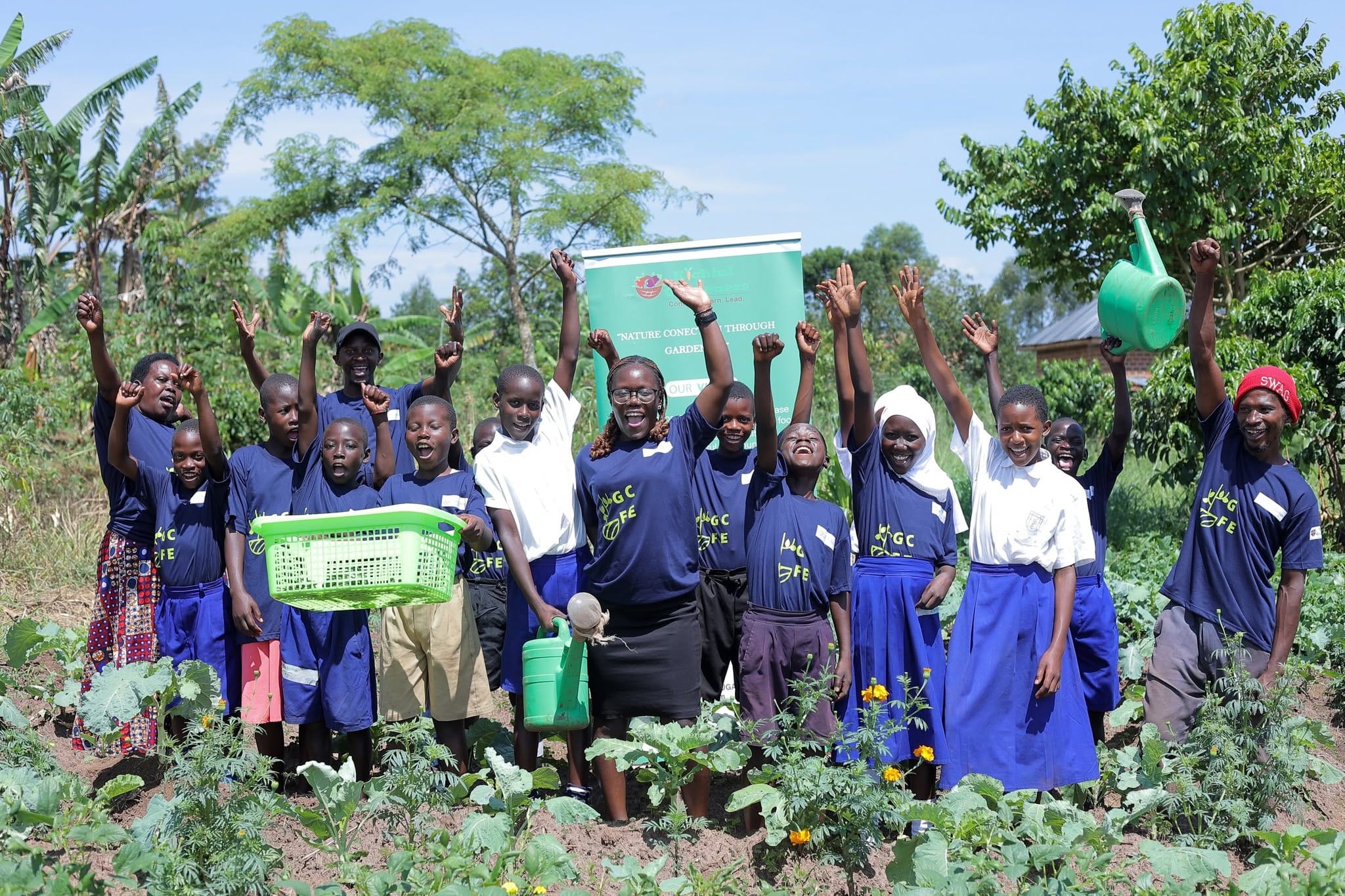
An advocate for food security, agroecology, and sustainable development, Irene dedicates herself to helping young people and women grow nutritious food and build resilience to climate change through the Kichini Gardeners Initiative she founded.
When Irene joined the Kofi Annan Changemakers programme in 2021, she received a seed grant, mentorship, and access to an international network that helped her strengthen and expand her work.
Taking climate education from the classroom to the garden
With additional support from the Jenö Staehelin Foundation, Irene and her team conducted baseline surveys with students aged 9–16 at two primary schools in Uganda’s Wakiso District to better understand household nutrition habits and identify where support was most needed.
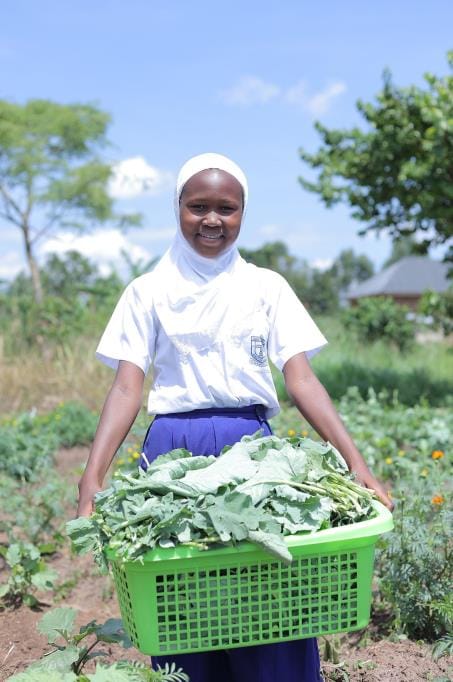
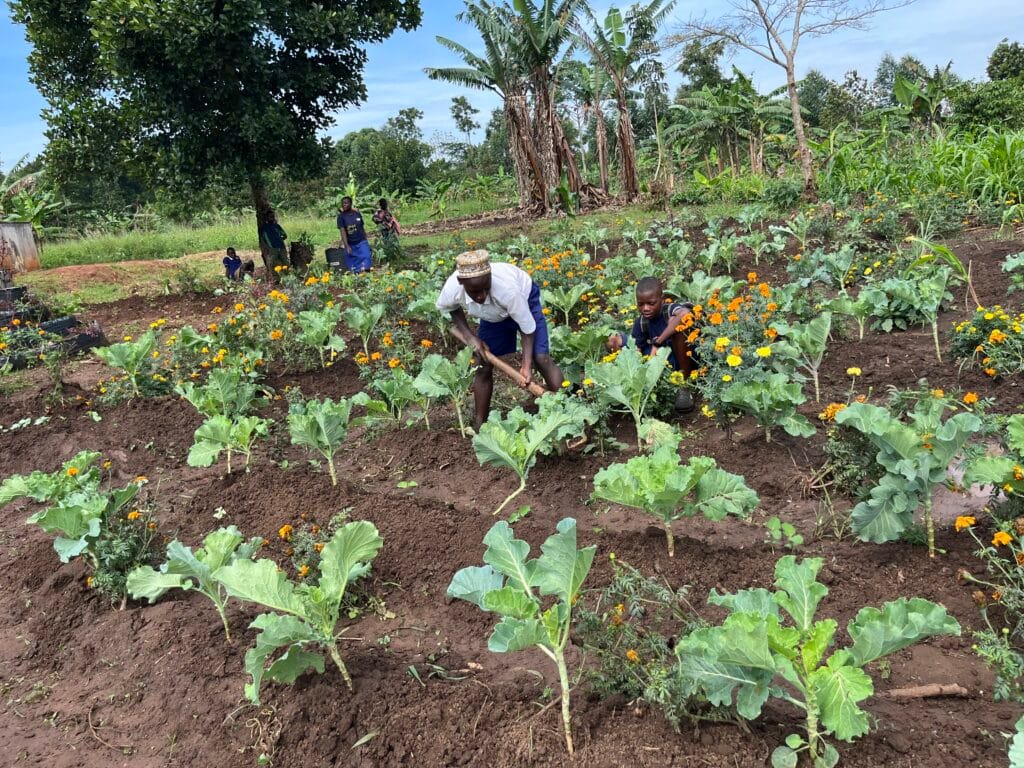
Working alongside sixty students, they then established two school nursery beds, growing kale, spinach, eggplants, marigolds, and other crops. More than 1,000 kale seedlings were nurtured by students and teachers.
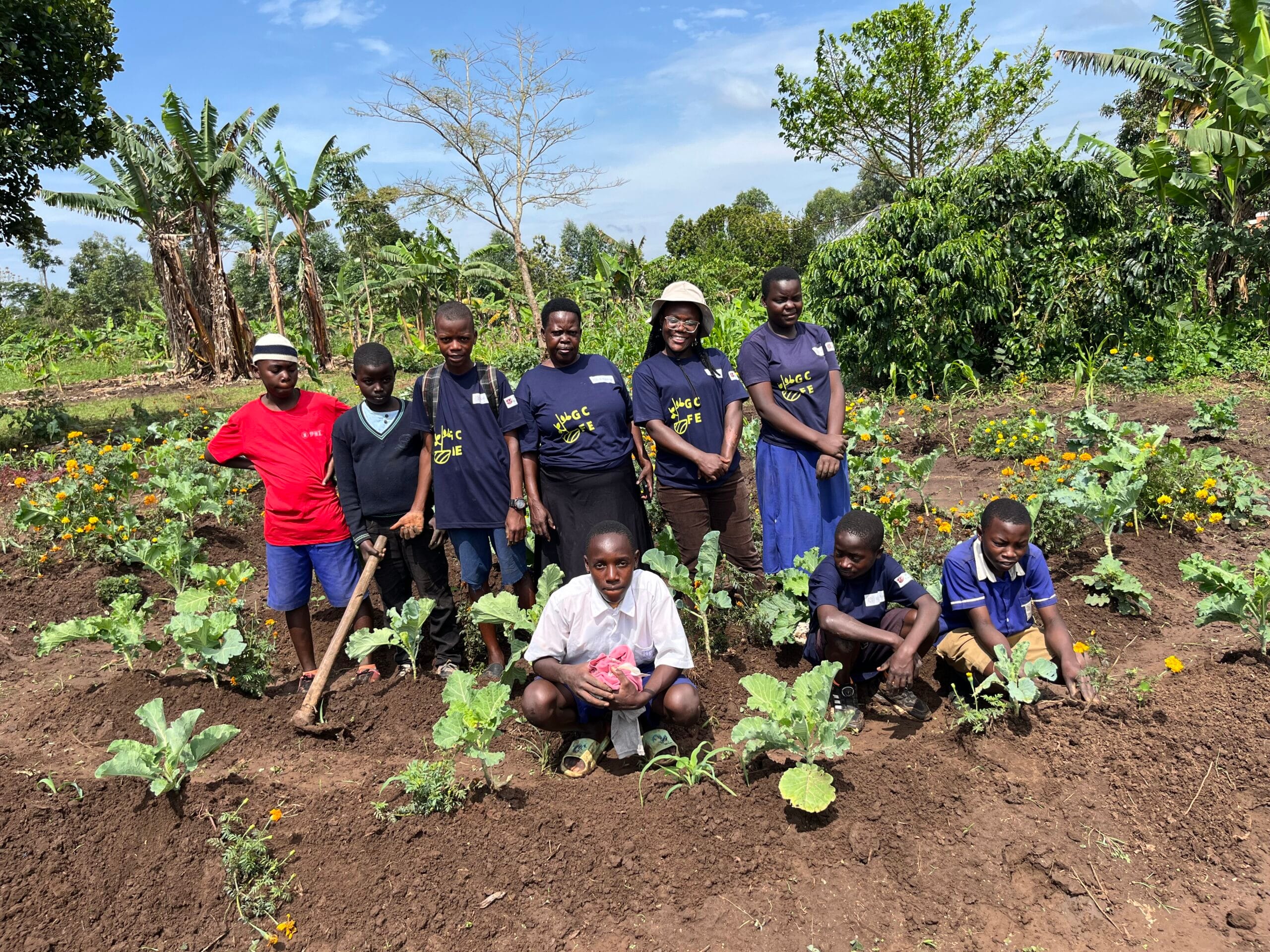
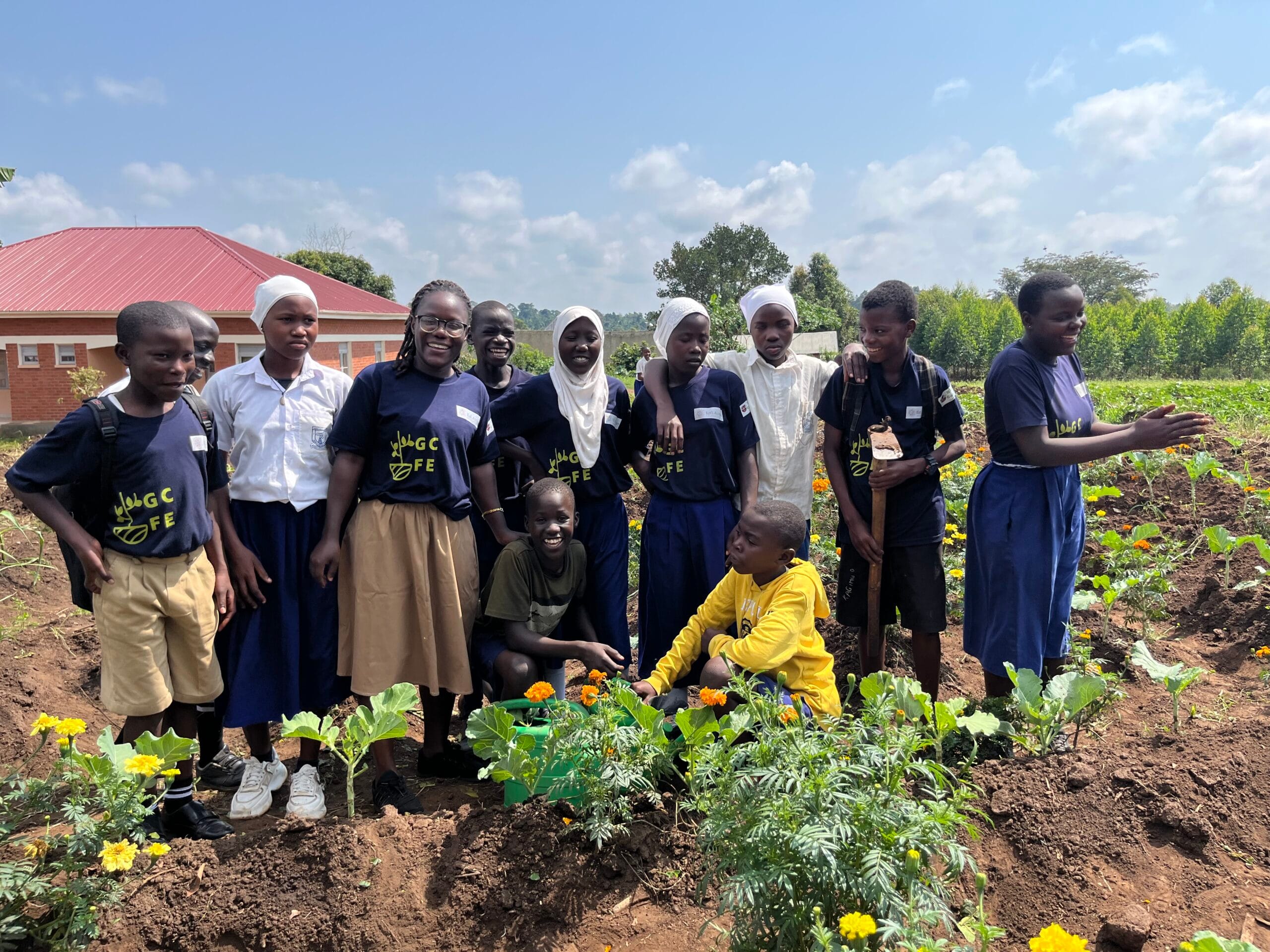
The gardens were about more than growing vegetables; they became living classrooms where students learned sustainable agriculture, climate resilience, and practical food-growing skills they could use at home
Creating change beyond the school gates
Students harvested vegetables throughout the school term, helping provide more nutritious meals at school. Inspired by this success, they created a School Gardeners Club to expand production, sell produce, and contribute to a shared savings fund.
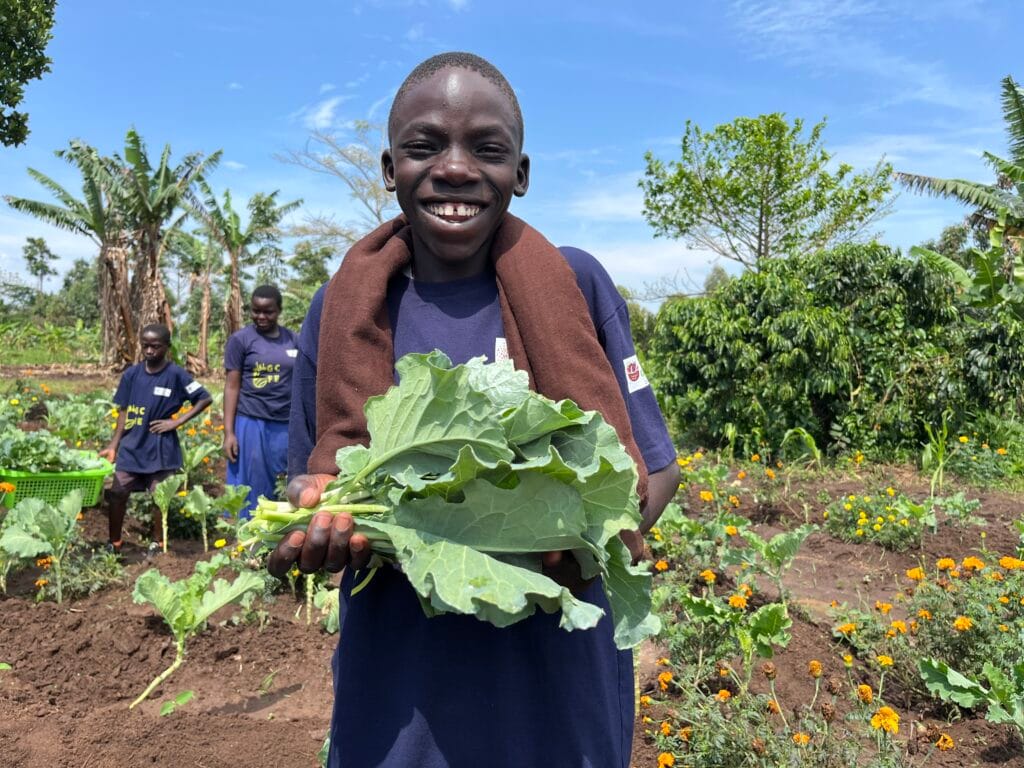
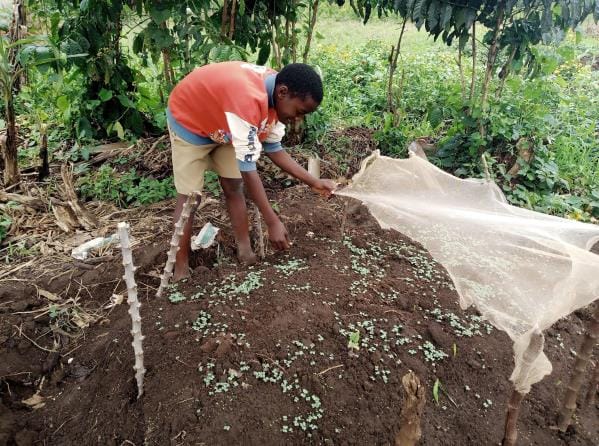
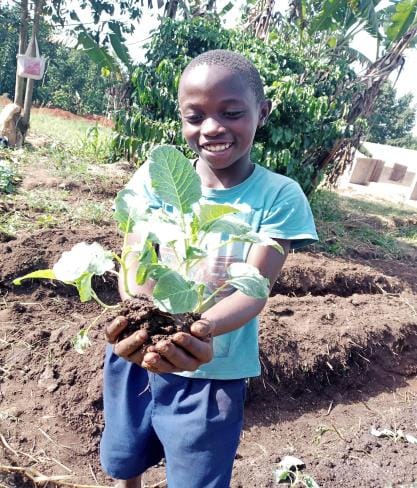
Many students also brought seedlings home. 26 students were given sukuma wiki (kale) and spinach seedlings to carry forward the sustainable agriculture practices in their communities
One family that rarely ate vegetables decided to start their own garden after their 12-year-old child returned home with kale seedlings. Today, vegetables have become a regular part of their diet, improving household nutrition and food security.
Teachers embraced the initiative as well, incorporating the gardens into natural science lessons and exploring ways to expand gardening activities in their schools.
Regular visits to surrounding communities revealed growing interest among parents—particularly mothers—in cultivating vegetables alongside staple crops.
The Impact
Since launching the initiative, Irene has:
- Trained more than 300 students in Central Uganda in sustainable agriculture and climate change resilience.
- Established more than 40 school and household gardens.
- Expanded activities across three communities.
- Improved nutrition, food security, and agricultural knowledge for more than 500 people.
Because of the community’s enthusiasm, the school received additional support from the Act4Food campaign, in partnership with the World Food Forum (WFF), to expand the garden to include more vegetables and sweet potatoes.
The project was also showcased on national television (Uganda Broadcasting Corporation – UBC).
Through the Kichini Gardeners Initiative, Irene is helping young people understand the connection between climate change, food security, and sustainable agriculture.
By equipping students and families with practical skills and knowledge, she is helping communities build healthier and more resilient futures.
All photos courtesy of Irene Nagudi and Kichini Gardeners Initiative.