For years, the gap between ordinary Ugandans and those in power has felt insurmountable. In Wakiso District, where civic space is constrained and many citizens lack the tools to hold their leaders to account, young people in particular have often felt powerless in the face of systemic barriers. Uganda’s score of just 26% on Transparency International’s 2023 Corruption Perception Index reflects a broader reality: accountability remains an aspiration for many communities, not a lived experience.
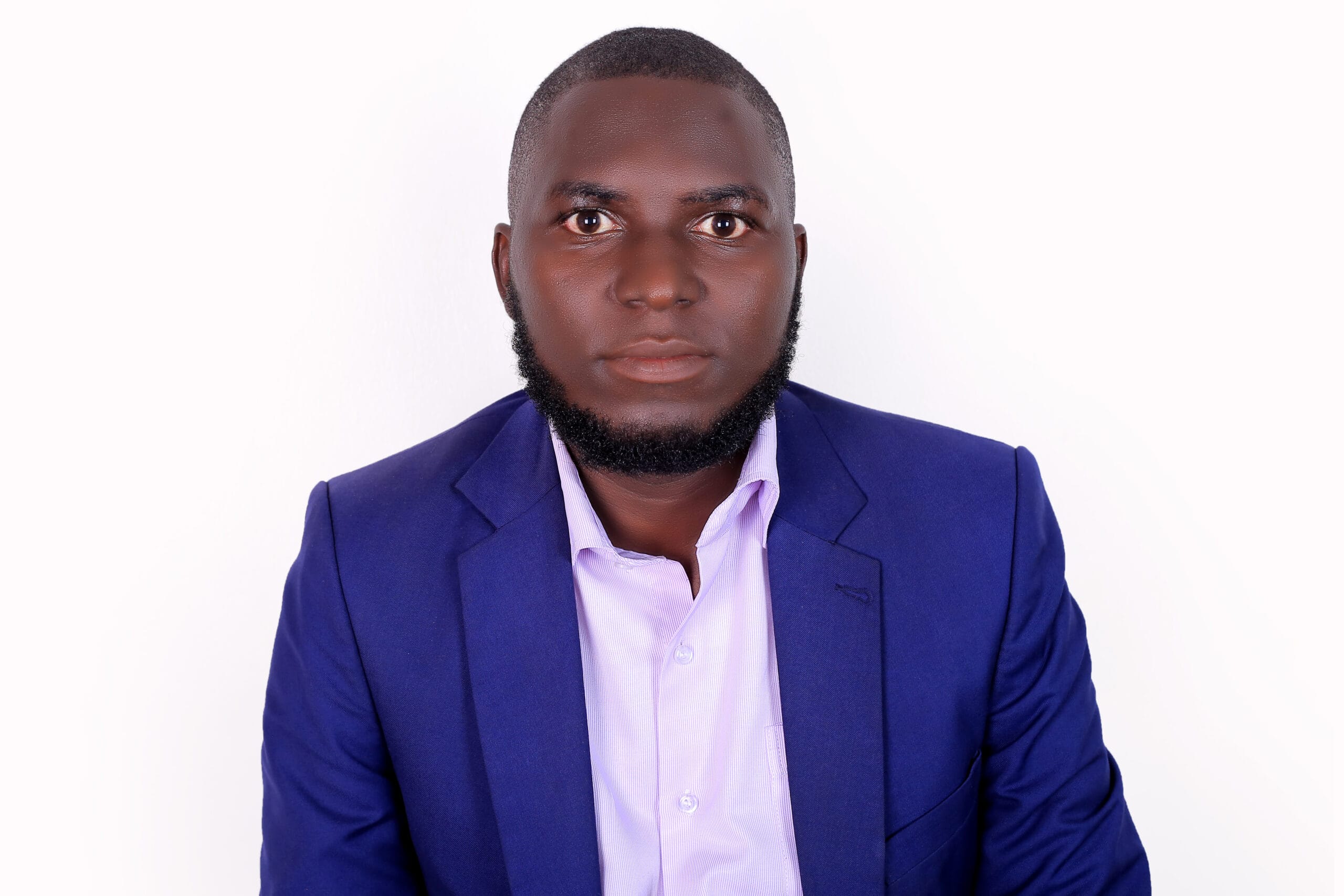
It is in this environment that Charles Nkonge has spent over a decade working to change things — one community at a time.
A journey rooted in personal experience
Since 2011, Charles has been an activist and student leader, navigating the challenges of advocating for democratic governance and human rights in Uganda. He has experienced arrests, worked with young people who feel powerless, and witnessed firsthand the distance that exists between citizens and the institutions meant to serve them.
“I saw that many young people want change but lack the tools, knowledge, and networks to act effectively. This project was born out of that realisation.”
That project — Empowering Local CSOs in Advocacy for Good Governance and Political Accountability in Wakiso District — sought to answer a central question: how do you turn civic frustration into civic power?

Capacity-building, mentorship and peer-to-peer learning
Charles’ work has been supported through the WYDE Accountability Hubs programme. For Charles, the most valuable elements included capacity-building sessions on accountability and civic engagement, which helped sharpen the project’s focus; mentorship and peer learning that connected him with young leaders across Africa; and practical guidance on project design and implementation that shaped how training sessions and community engagements were structured.
“It is extremely important for organisations to invest in ideas developed by young people. Young people understand the realities of their communities because they live them daily. When empowered, they bring innovation, energy, and long-term commitment to change processes.”
Building capacity where it matters most
The project targets a critical but often under-resourced part of Uganda’s democratic ecosystem: local civil society organisations (CSOs). While these grassroots bodies play a vital role in connecting citizens with duty bearers, many lack the capacity, networks, or technical knowledge to advocate effectively. Charles’ initiative set out to change that.
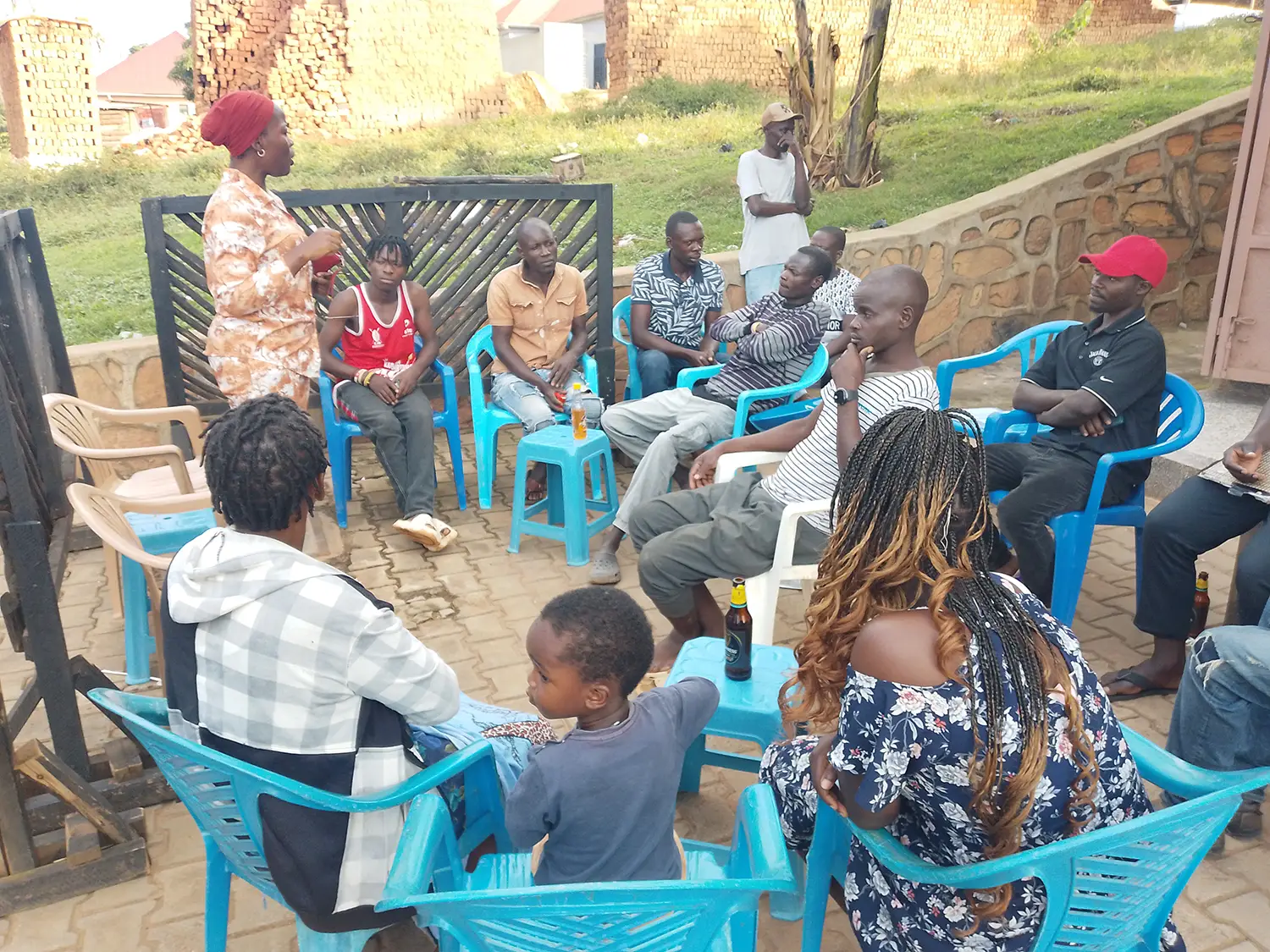
Through structured training, peer networking, and strategic civic education, the project equips local organisations with the skills to mobilise communities, engage policymakers, and demand transparency at all levels of governance. Participants gain practical knowledge about their rights and responsibilities, as well as the advocacy tools needed to challenge the status quo.
The project’s reach is tangible. Grassroots CSOs and youth leaders across Wakiso District have been trained in advocacy and accountability. Local networks have been established that continue to engage leaders independently — well beyond the life of individual project activities. And critically, participants are not just absorbing information: they are putting it into practice, attending village and security meetings, raising ideas, and demanding accountability from local leaders and police.
From ordinary to extraordinary: Ssembajjwe’s story
Perhaps the clearest illustration of the project’s impact is the story of Ssembajjwe Wilson, a young community leader who took part in the initiative.
Before engaging with the project, Ssembajjwe was, in Charles’ words, “an ordinary” young man — though one with a natural instinct for bringing people together through sport. The knowledge and confidence he gained through the project transformed his role in his community. He began mobilising other young people, challenging local leaders to be more accountable, and finding the courage to demand change.
That courage took him further than anyone might have anticipated. Energised by his community engagements, Ssembajjwe stood as a candidate for LC3 Councillor for Nsangi and Mukono Cell — and won. He will now represent his community at Kyengera Town Council for the next five years.
“He is actively mobilising others and has become a voice for accountability in his community. I believe with the skills he received, he will be a force to be reckoned with.”
Ssembajjwe’s journey — from community member to elected representative — is exactly the kind of transformation the project was designed to catalyse.
Looking ahead
The results so far point to something significant: a measurable shift in mindset among participants who once felt excluded from civic life. Many are now confidently engaging their leaders — not as passive recipients of governance, but as active, informed citizens.
Charles is clear about what comes next. The priority is to strengthen and expand the grassroots networks the project has established, ensure their long-term sustainability, and scale the model to other areas of Uganda. Deeper engagement with local government structures is also on the agenda, alongside continued investment in participants’ capacity to lead independent advocacy efforts.
“Meaningful change is possible, even in difficult environments. When young people are equipped with knowledge, organised into networks, and supported with the right tools, they can drive real impact. The key is consistency, courage, and collective action. Change may be slow, but it is achievable.”
In Wakiso District, that change is already well underway.