Despite Botswana’s democratic reputation, women remain significantly underrepresented in political leadership. Women make up less than 10% of the country’s current parliament, leaving too few visible pathways for young women aspiring to lead. Patriarchal norms, limited mentorship opportunities, weak political support systems, and deeply rooted perceptions about leadership continue to shape who feels able and welcome to enter politics.
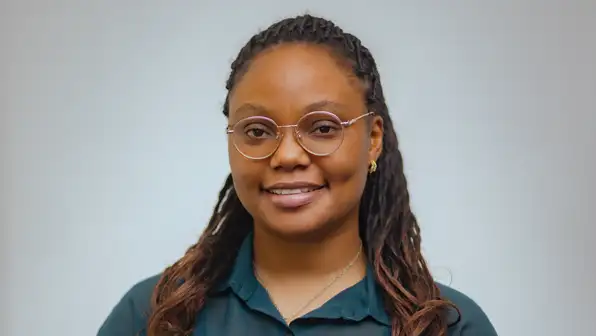
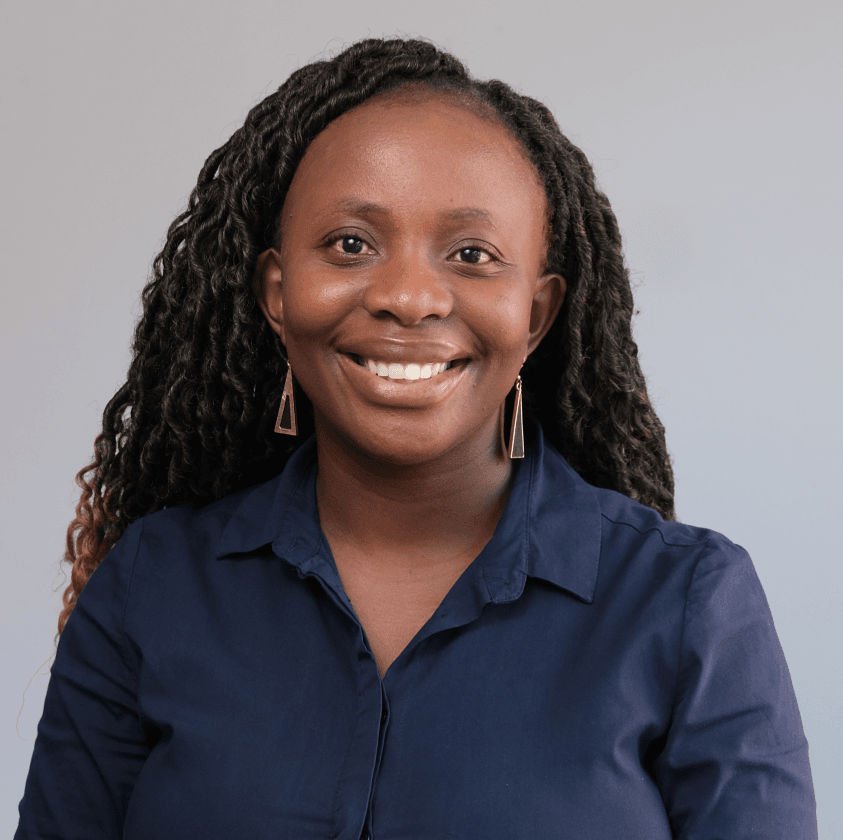
For Amanda Chembezi and the team at Girls for Girls Botswana Trust (G4G Botswana), this represented more than a representation gap. It revealed a broken leadership pipeline.
“The project was deeply inspired by looking at the stark realities of our political landscape. We needed a localized pipeline. We had to create a space that offers that same caliber of global coaching, mentorship, and solidarity to young women before they even step onto the ballot.”
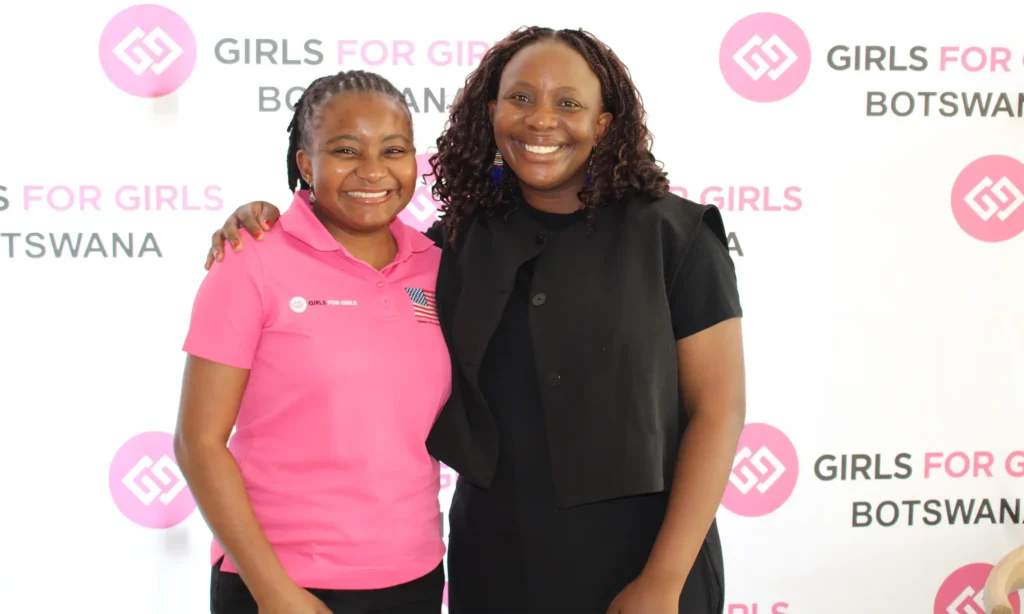
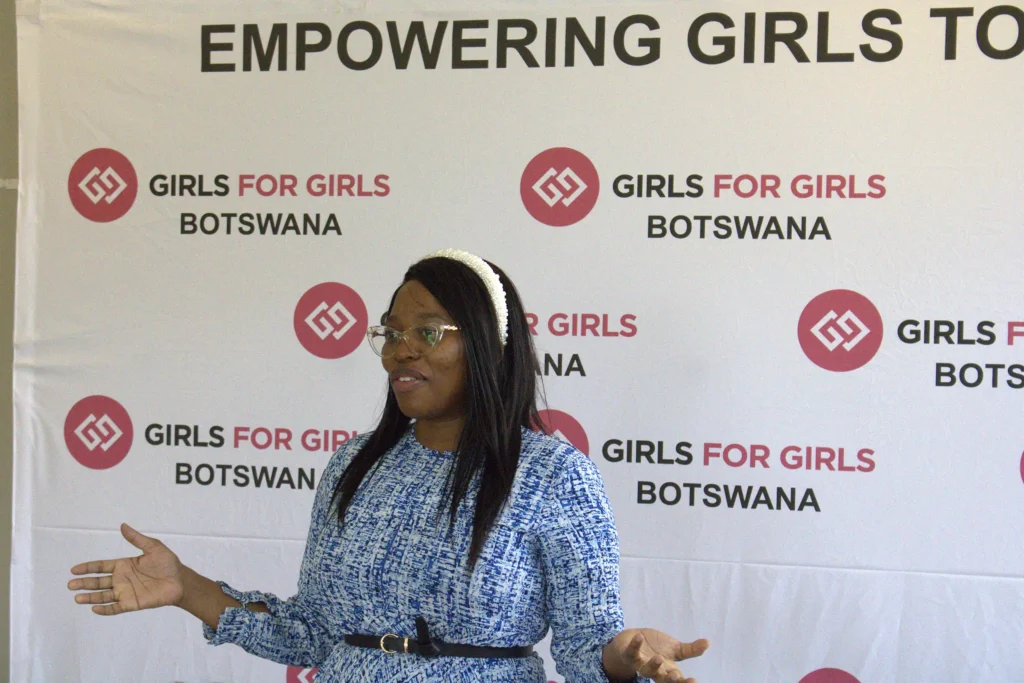
That vision became the Women in Politics (WIP) project, a mentorship and leadership initiative designed to equip young women with the confidence, networks, skills, and strategic support needed to move from political ambition to political action.
From Learning to Leadership: The Role of WYDE
The project took shape through support from the WYDE Accountability Hubs programme. Amanda found the coaching support extremely valuable. Through conversations with her mentor, she decided to leverage the global Girls for Girls network, which paired each graduate with long-term leadership coaches from across Botswana, the United States of America, and Europe.
From Ambition to Action
The Women in Politics project was designed to tackle the barriers that often stop women’s leadership journeys before they begin.
The programme combined structured mentorship, leadership training, practical networking, and storytelling to strengthen women’s participation in governance and decision-making. Rather than treating leadership as a single workshop or short-term intervention, the project built a layered development model:
- Virtual mentorship and knowledge transfer
- Practical leadership training and networking
- Long-term coaching and sustained mentorship
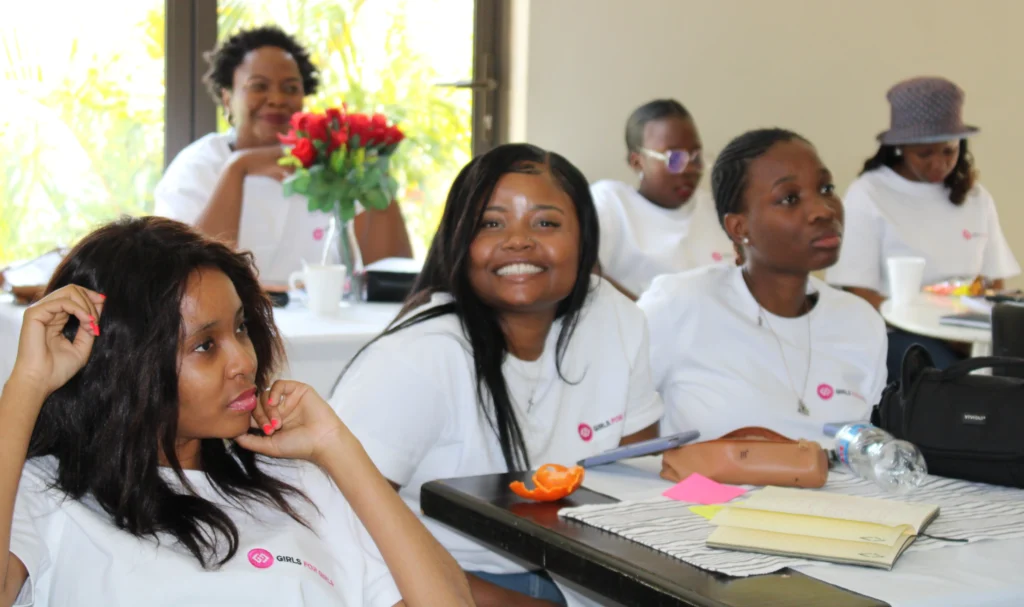
The project selected 23 participants aged 23–37 to take part in six weeks of virtual mentorship, followed by a three-day intensive leadership bootcamp in Gaborone. By the end, 20 women graduated, having strengthened their political ambition, advocacy capacity, and leadership direction.
But the project’s impact extended far beyond training sessions.
The power of support systems
Amanda’s approach recognised a simple reality: talented women don’t just need skills—they need systems that make leadership possible.
That meant adapting the programme to women’s lived realities. Five participants were mothers, and childcare could easily have become a barrier to participation. The team responded by funding nanny services during the bootcamp, enabling mothers to attend with their children.
The project also made an important strategic pivot. What was initially planned as an e-book profiling women leaders evolved into something more sustainable: the launch of Girls for Girls Botswana’s website and leadership hub.
Rather than producing a static publication, the new platform became a living resource for mentorship materials, advocacy tools, and women’s leadership stories across sectors.
“This decision strategically ensured sustainability of this project outcome and overall sustainability of the organisation’s visibility.”
Creating a new generation of women political actors
The strongest measure of the project’s success lies in what happened next.
By the end of the programme:
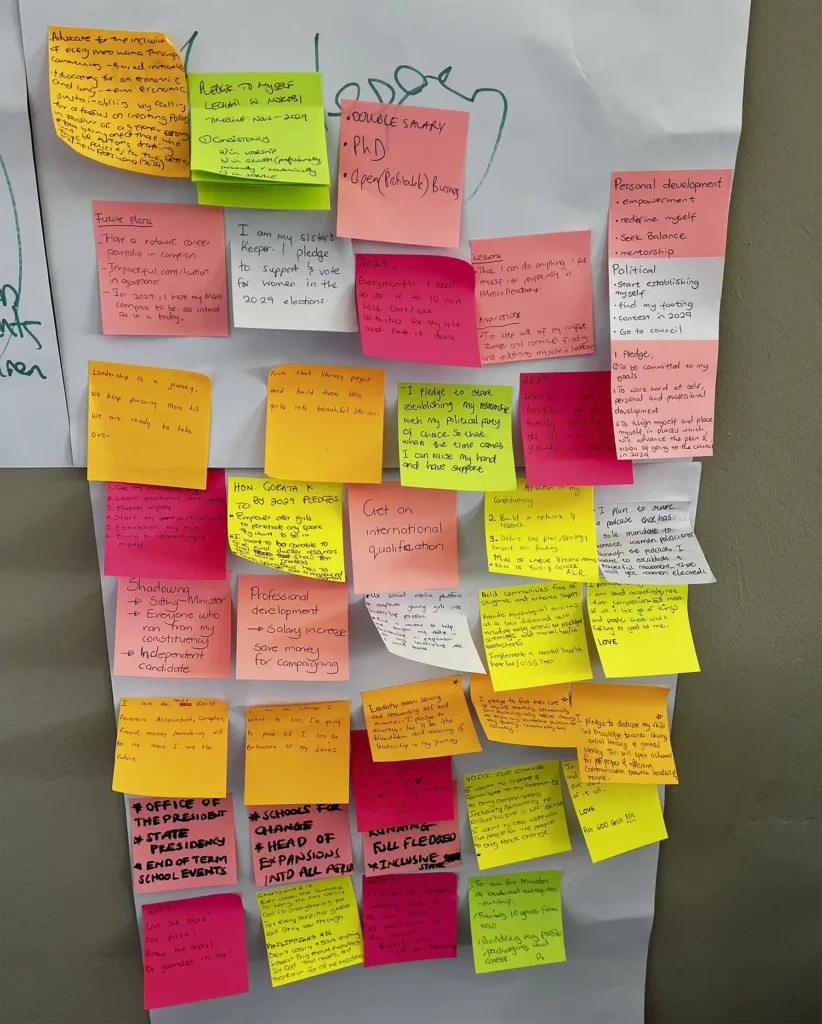
- 60% of mentees expressed concrete plans to run for political office in the 2029 national elections
- 40% committed to leadership roles through campaign management, policy advocacy, fundraising, and civic mobilisation
This matters because leadership pipelines are not built only through candidates. They are built through teams, strategists, organisers, advocates, and mobilisers.
Amanda describes the transformation clearly: participants “have evolved from isolated individuals into a unified, cross-industry political front.“
The programme also strengthened women’s visibility and access to influential networks. Participants learned how to use professional tools like LinkedIn to expand their leadership presence and joined a global Girls for Girls network spanning more than 20 countries. Media partnerships amplified conversations around women in politics, and G4G Botswana was invited to share its work on Gabz FM, one of Botswana’s largest radio stations.
Perhaps most importantly, the project did not end at graduation.
All graduates entered a 12-month post-programme mentorship ecosystem, pairing participants with experienced leadership coaches based in Botswana, Europe, and the United States.
A human story of transformation
One participant’s journey illustrates the project’s impact.
Olerato Janelle Lepetu entered the programme with an impressive background in economics, public policy, and governance. She had worked with institutions including Statistics Botswana, the Ministry of Finance, and the World Bank, and had already experienced leadership through the All-Women Model Parliament. Yet she still needed strategic clarity and support to transition from policy work into political leadership.
Through the programme’s mentorship and bootcamp experience, Olerato refined her personal leadership identity, strengthened her understanding of ethical leadership, and built cross-sector alliances.
Today, Amanda describes her as “a confident, emerging leader” who credits the programme with helping her prepare for future governance roles and advocacy for equity and youth empowerment.
Looking Forward: Strengthening democracy through women’s leadership
For Amanda, the stakes are high.
“Democracy in Botswana is currently facing sustainability issues. Women’s leadership is a prerequisite for a diversified and inclusive democracy. Waiting until ‘later’ means allowing unsustainable electoral practices and patriarchal systems to further entrench themselves.”
The Women in Politics project shows what becomes possible when leadership development is treated not as a one-off intervention, but as the deliberate construction of a pipeline.