In Burkina Faso, the voices of young people are becoming quieter every year. Political tensions, insecurity, and new restrictions have made many of them hesitant to express their opinions or even to gather to exchange ideas.
Among these young people are the cibals and cibelles of Balai Citoyen, a citizen movement that brings communities together and encourages everyone to defend justice. Once dynamic and expressive, many of them now find it difficult to access clear information or share their opinions without fear, which reduces their opportunities to contribute to public decisions that affect their daily lives. Little by little, the public spaces that once echoed with debate have fallen silent.
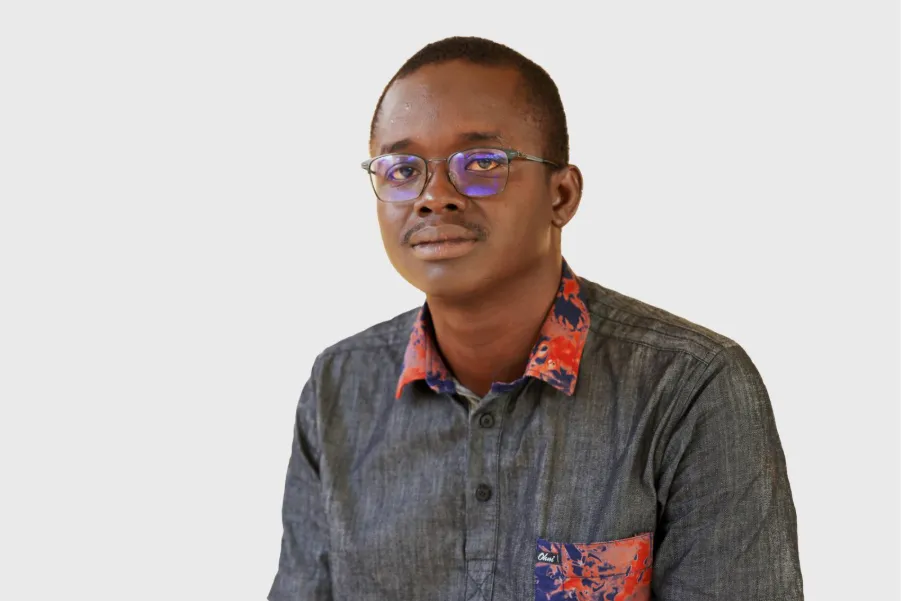
Seeing this silence spread around him, Ismaël Compaoré felt something inside him refuse to accept it.
Ismaël’s fight for civic space
Born in Ouagadougou, Ismaël Compaoré quickly realised that the voices of young people could change the destiny of Burkina Faso. In 2013, at the age of 25, he became one of the founders of Balai Citoyen, a movement created to “sweep away injustice” and empower citizens. Largely driven by urban youth, Balai has grown over the years into a mass movement, with tens of thousands of members and supporters across the country.
In 2014, when an amendment to Article 37 threatened the Constitution, Balai played a central role in March to Save the Constitution, mobilising young people as rarely before.
“That day we understood the power of the people.”
Today, as Communications Officer for the national coordination, Ismaël channels this energy in a context marked by two constitutional breakdowns and a decline in freedom of expression. He sees how fear silences young people. Through training sessions and neighbourhood debates, he helps them regain confidence.
“If we let silence prevail, we lose the country.”
Support from the Accountability Hubs programme
The WYDE Accountabiluty Hubs programme supports a new generation of engaged young people who want to strengthen civic participation, social justice, and democratic life in their communities.

Thanks to the programme, Ismaël benefited from:
- Practical workshops on governance, citizen participation, and advocacy campaigns
- Capacity building in ethical leadership, public communication, community mobilisation, and project design adapted to local realities, as well as gender sensitivity, to integrate equality and inclusion into their initiatives
- Personalised support from mentors and experts to structure their actions and overcome obstacles
- Exchanges between young leaders from different countries and backgrounds, promoting mutual support and collective creativity
- Targeted financial support through micro-grants to test ideas in the field
- Increased visibility, strengthening their credibility and ability to engage their communities and institutions
With Accountability Hubs, Ismaël didn’t just receive training: he found a space that reinforces his vision, supports his commitment to Balai Citoyen, and amplifies his ability to mobilise young people to defend civic space in Burkina Faso.

Giving the youth of Ouagadougou a voice again
To boost civic engagement in Ouagadougou, Ismaël mobilised the city’s four cardinal zones—North, South, East, and West—where Balai Citoyen’s cibals are firmly established. Each zone hosting Balai Citoyen clubs selected two young leaders, forming a group of eight peer educators aged 18 to 35, including three women. They underwent practical training combining public speaking, debate moderation, inclusive facilitation, and, above all, an understanding of the legal framework that protects civil liberties and governs citizen participation.
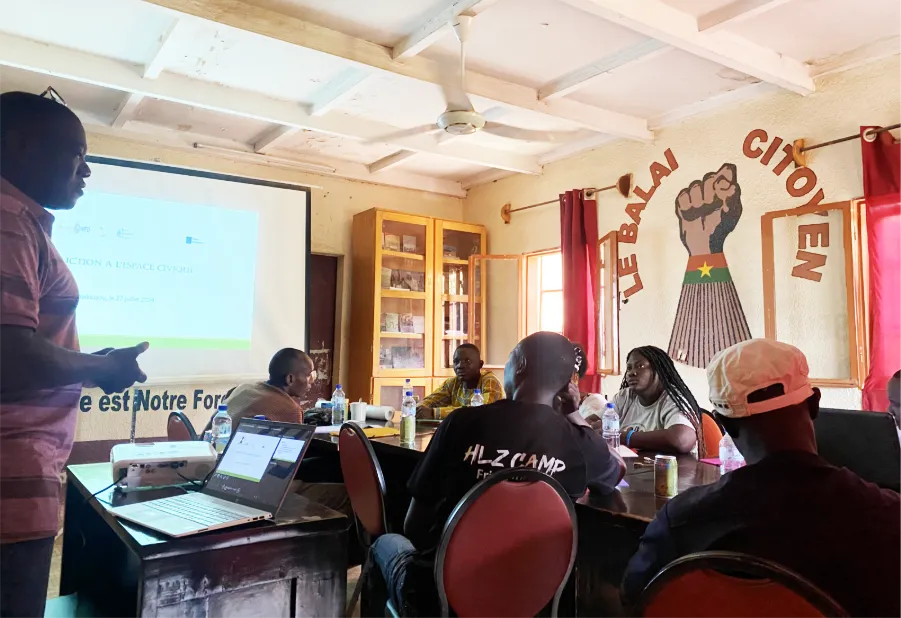
Photo Credit: Ismaël Compaoré
Visible impact at the heart of communities
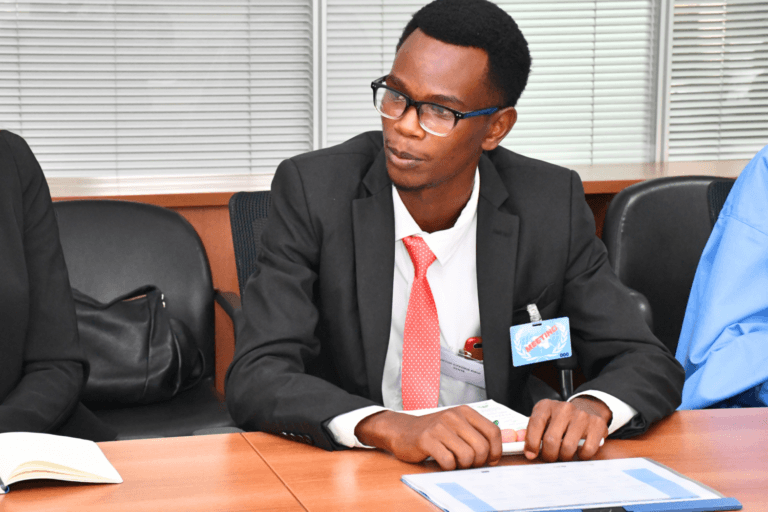
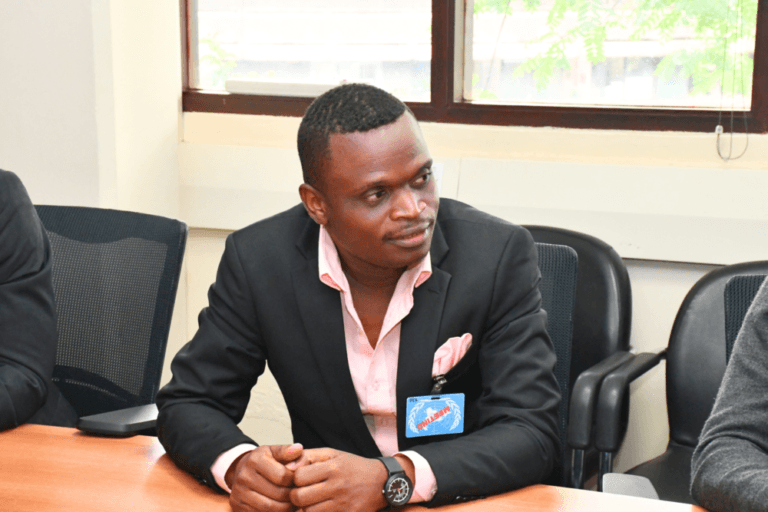
The eight peer educators, now trained in the legal framework for citizen participation, lead structured public discussions and appear on radio talk shows on community radio stations, reaching a wider audience. The four tea debates mobilised nearly 70 young people, 30% of whom were women, and led to the formulation of citizen recommendations on disinformation, youth protection, and employability, which were forwarded to local authorities.
This strengthening has produced immediate results: several young people now lead their own debates in their neighbourhoods, demonstrating their autonomy and the solidity of their new skills. The project has thus revitalised the cibals and created a sustainable dynamic of civic dialogue, driven by a youth that is more aware of its rights, better informed, and fully equipped to express itself and gradually influence local governance practices.
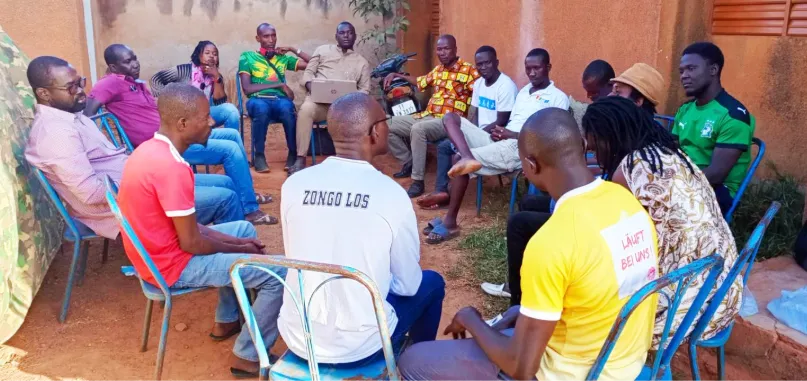
Photo Credit: Ismaël Compaoré
Key lessons and future directions
The initiative’s success stems from its deep roots in the neighbourhoods and the freedom given to the cibals to act in line with their realities. By entrusting the selection of peer educators to the zone offices, the project gained rare legitimacy: the young people took ownership of the space.
“By working with local structures, we saw young people discover their right to speak out”.
However, at the beginning, many were reluctant to address sensitive topics. Practical exercises, circle discussions, and patient mentoring gradually broke down this fear. Today, the ambition is clear: to increase the number of tea debates, train a network of young speakers, and amplify their voices through community radio stations.
A changing trend
Le Balai Citoyen has become a space where young people can assert themselves and make their voices heard. “I see young people who, until recently, were reserved, now speaking out with newfound strength,” explains Ismaël
This movement shows that open dialogue can rekindle hope and strengthen genuine citizen participation. And this wave of engagement is only growing.