The Kofi Annan Foundation has long been committed to advancing electoral integrity and democratic governance.
A cornerstone of this work is our annual Electoral Vulnerability Index (EVI) —a forward-looking tool designed to identify risks of election-related violence, manipulation, and contestation before they escalate.
By focusing on early warning signs across the entire electoral cycle, the EVI supports more effective prevention and more credible democratic processes.
In this context, the Foundation was proud to serve as a Strategic Governance Partner of Africa Political Outlook (APO) 2026, a high-level platform convening African and international leaders to examine the continent’s political and economic trajectories and to shape renewed partnerships.
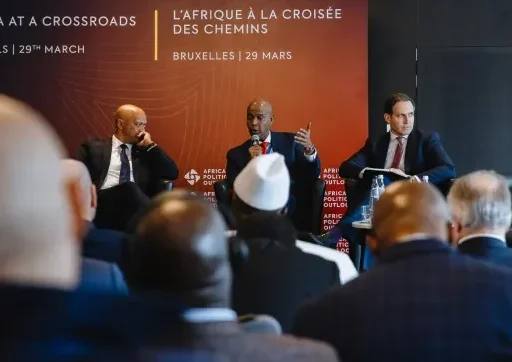
Bringing together heads of state, policymakers, investors, civil society, and thought leaders, APO seeks to connect democratic legitimacy with governance, stability, and sustainable development.
The “election without choice”
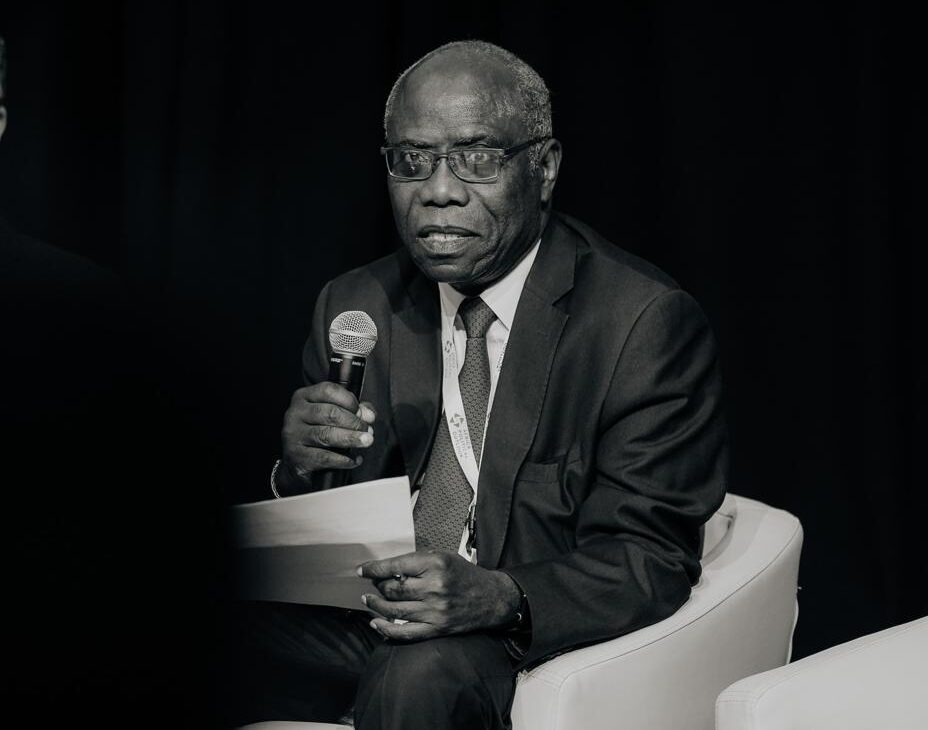
Ahead of the launch of the 2026 edition of the Electoral Vulnerability Index in June 2026, our Special Adviser, Arnauld Akodjenou, contributed to APO’s first session on political governance, offering a timely reflection on evolving electoral dynamics.
His central insight is clear: across Africa—and increasingly globally—we are witnessing a shift from electoral fraud on voting day to a more subtle but equally concerning phenomenon: the “election without choice.”
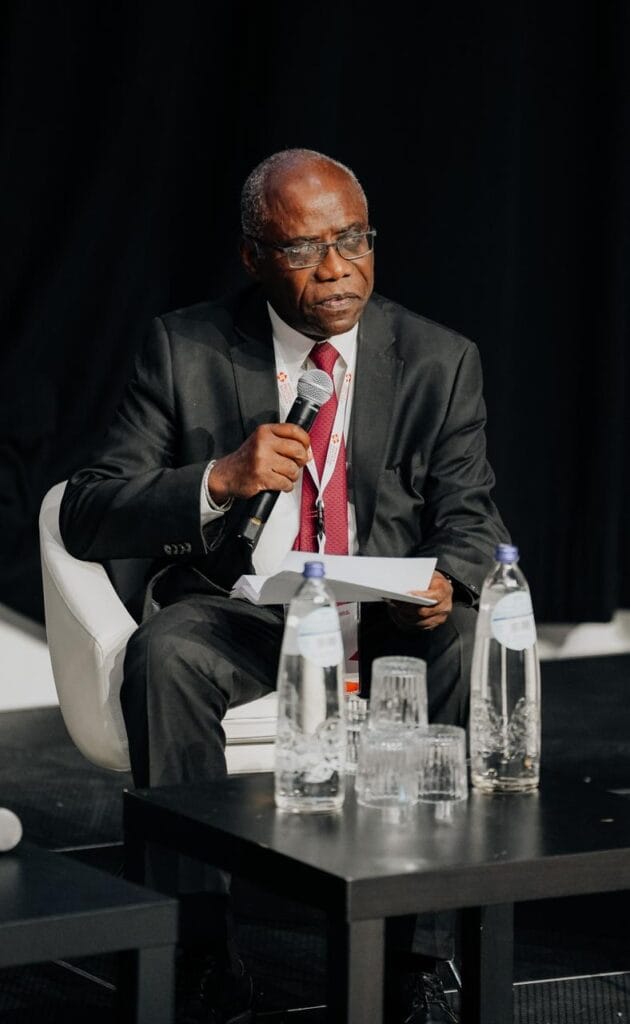
As he highlights in his follow-up article, electoral processes are increasingly shaped upstream, through candidate exclusion, manipulation of legal frameworks, capture of oversight institutions, and restrictions on civic space.
These mechanisms reduce genuine political competition while preserving the formal appearance of elections.
Importantly, this trend is not unique to Africa. Rather, the continent reflects a broader global pattern of democratic strain, where legal and procedural tools are used to predetermine outcomes. This underscores the need to rethink electoral integrity as a process, not an event, one that requires vigilance well before election day.
This underscores the need to rethink electoral integrity as a process, not an event, one that requires vigilance well before election day.
As we prepare to release the 2026 EVI, these insights reinforce a core message: safeguarding democracy today means identifying and addressing risks early—before elections lose their fundamental purpose: offering citizens a real and meaningful choice.